
Carnations have been a symbol of love, fascination, and distinction in various cultures around the world. In ancient Greece, the carnation was associated with the love goddess Aphrodite and was often used in ceremonial garlands. In Korea, carnations are a symbol of pure love and good luck, often given as gifts on Parents’ Day. In Mexico, red carnations are used to honor the dead during the Day of the Dead celebrations. In China, the carnation is a symbol of purity and good luck, often used in traditional medicine. In each culture, the carnation holds a unique and significant meaning, reflecting the diverse symbolism of this beautiful flower.
Carnations have also been used as symbols of political movements and causes. In the early 20th century, the red carnation became a symbol of socialism and the labor movement, often worn by activists and supporters. In some cultures, white carnations are used as a symbol of peace and remembrance, particularly in times of war or conflict. The versatility of the carnation as a symbol has made it a powerful and enduring emblem in various cultural contexts.
The Meaning Behind Different Carnation Colors
The color of a carnation holds significant meaning and symbolism. Red carnations are often associated with love and admiration, making them a popular choice for Valentine’s Day bouquets. Pink carnations are a symbol of gratitude and are often given as a token of appreciation. White carnations are often used in weddings and symbolize purity and luck. Yellow carnations are associated with friendship and joy, making them a popular choice for celebrating friendships and special occasions. Each color of carnation carries its own unique message, allowing for a personalized and meaningful gift-giving experience.
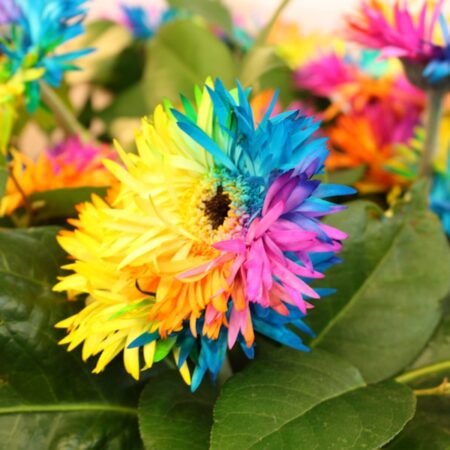
In addition to the traditional colors, there are also unique varieties of carnations that come in shades such as purple, green, and blue. These non-traditional colors often carry their own specific meanings, adding depth and complexity to the symbolism of carnations. The wide range of colors available in carnations allows for a diverse array of messages to be conveyed through these beautiful flowers.
Historical References to Carnations in Literature and Art
Carnations have been a popular subject in literature and art throughout history. In William Shakespeare’s play “A Midsummer Night’s Dream,” the character Oberon uses a magical potion made from the juice of a purple carnation to cast spells on the other characters. This reference to the mystical properties of the carnation reflects the flower’s long-standing association with magic and enchantment.
In art, carnations have been depicted in various forms, from still-life paintings to elaborate floral arrangements. The Dutch Golden Age painters often included carnations in their still-life compositions, using them as symbols of love, beauty, and transience. The intricate details and vibrant colors of carnations have made them a popular subject for artists throughout history, showcasing their enduring appeal as a symbol of beauty and emotion.
Carnation Colors in Mythology and Folklore
In Greek mythology, the carnation is said to have sprung from the tears of the goddess Venus as she wept over the death of her beloved Adonis. This mythological origin story has contributed to the association of carnations with love and devotion in Western culture. In Hindu mythology, the god Vishnu is said to have created the first carnation from his own sweat, imbuing it with divine significance.
In folklore, different colors of carnations have been associated with various superstitions and beliefs. In some cultures, it is believed that placing a red carnation under one’s pillow will bring about romantic dreams. In others, white carnations are thought to bring good luck and protection from evil spirits. These myths and legends surrounding carnation colors have added to the rich tapestry of symbolism associated with these beautiful flowers.
The Role of Carnations in Ancient Rituals and Traditions
Carnations have played a significant role in ancient rituals and traditions across various cultures. In ancient Rome, carnations were used in religious ceremonies and festivals dedicated to the goddess Diana, who was often depicted wearing a crown of carnations. In Japan, carnations are often used in traditional tea ceremonies as a symbol of purity and beauty.
In some cultures, carnations are used in healing rituals and herbal remedies due to their perceived medicinal properties. The ancient Greeks believed that carnations had healing powers and would use them in medicinal preparations. In traditional Chinese medicine, carnations are used to treat various ailments and are believed to have restorative properties. The use of carnations in ancient rituals and traditions reflects their enduring significance as symbols of beauty, healing, and spirituality.
The Influence of Carnation Colors in Modern Society
In modern society, the symbolism of carnation colors continues to play a significant role in various aspects of life. Red carnations are often used as a symbol of love and passion, making them a popular choice for romantic gestures and expressions of affection. Pink carnations are often given as tokens of gratitude and appreciation, making them a popular choice for Mother’s Day bouquets.
The use of different colors of carnations in modern society extends beyond personal gestures to include political movements and social causes. For example, white carnations have been used as symbols of peace and remembrance in various protests and demonstrations around the world. The diverse meanings associated with different colors of carnations allow for a wide range of messages to be conveyed through these beautiful flowers.
Unraveling the Hidden Messages in Carnation Colors
The hidden messages behind different carnation colors have been unraveled through centuries of cultural significance and symbolism. The use of red carnations as symbols of love and passion has been a consistent theme throughout history, reflecting their enduring appeal as tokens of affection. Pink carnations have been used to convey messages of gratitude and appreciation, making them a popular choice for expressing heartfelt sentiments.
The use of white carnations as symbols of purity and peace has been prevalent in various cultural contexts, from weddings to political movements. Yellow carnations have been associated with friendship and joy, making them a popular choice for celebrating special occasions and fostering connections between people. The diverse meanings behind different colors of carnations allow for a nuanced and personalized approach to gift-giving and expression.
In conclusion, the symbolism of carnations in different cultures reflects their enduring significance as symbols of love, beauty, and spirituality. The diverse meanings behind different colors of carnations allow for a wide range of messages to be conveyed through these beautiful flowers, making them a powerful and versatile symbol in various cultural contexts. From ancient rituals to modern society, the influence of carnation colors continues to play a significant role in expressing emotions, conveying messages, and honoring traditions.