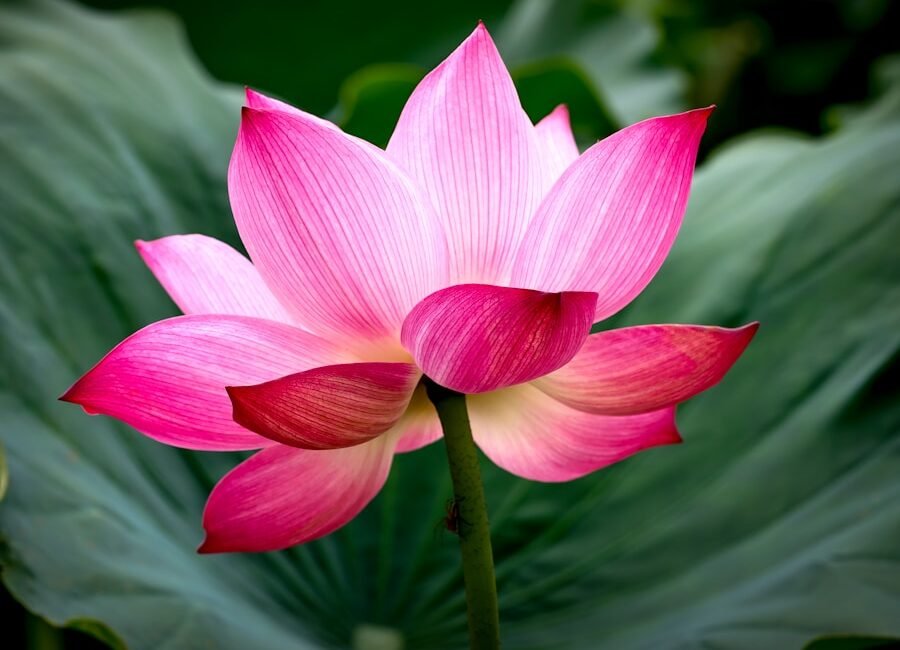

Flowers have played a significant role in various cultures around the world for centuries. They are often used to convey emotions, celebrate special occasions, and honor the deceased. In many cultures, flowers are seen as a symbol of beauty, purity, and life. For example, in Japanese culture, cherry blossoms are revered for their fleeting beauty and are often associated with the transient nature of life. In Indian culture, marigolds are used in religious ceremonies and are believed to bring good luck and prosperity. In Western cultures, roses are a symbol of love and are often given as a romantic gesture. The importance of flowers in different cultures is evident in the way they are used in everyday life, from decorating homes and temples to being used in traditional medicine and cuisine.
In addition to their aesthetic appeal, flowers also hold deep cultural significance. In many cultures, certain flowers are associated with specific meanings and are used to convey messages without words. For example, in Chinese culture, the peony is a symbol of wealth and prosperity, while the lotus flower represents purity and enlightenment. In Mexican culture, the cempasuchil (marigold) is used during the Day of the Dead to honor deceased loved ones and guide their spirits back to the living world. The importance of flowers in different cultures is a testament to their universal appeal and ability to transcend language and cultural barriers.
The Symbolism of Tropical Flowers
Tropical flowers are known for their vibrant colors, exotic shapes, and intoxicating scents. They are often associated with paradise, luxury, and sensuality. In many tropical cultures, such as those found in the Caribbean and Southeast Asia, flowers play a central role in religious ceremonies, festivals, and everyday life. For example, in Hawaiian culture, the hibiscus flower is a symbol of hospitality and is often worn behind the ear to indicate relationship status. In Thai culture, the jasmine flower is used in religious offerings and is believed to bring good luck and prosperity. The symbolism of tropical flowers reflects the lush landscapes and rich biodiversity of tropical regions, as well as the cultural values and beliefs of the people who inhabit them.
Tropical flowers are also prized for their medicinal properties and are used in traditional healing practices. For example, in traditional Chinese medicine, the orchid flower is used to treat coughs and lung ailments, while in Ayurvedic medicine, the hibiscus flower is used to promote hair growth and reduce blood pressure. The symbolism of tropical flowers extends beyond their aesthetic appeal to encompass their healing properties and spiritual significance. In many tropical cultures, flowers are seen as a connection to the natural world and a source of inspiration and renewal.
The Symbolism of Temperate Flowers
Temperate flowers are known for their delicate beauty, subtle fragrances, and seasonal blooming patterns. They are often associated with renewal, growth, and the changing of the seasons. In many temperate cultures, such as those found in Europe and North America, flowers play a central role in traditional folklore, literature, and art. For example, in Celtic culture, the daffodil is a symbol of rebirth and new beginnings, while in Victorian England, the language of flowers (floriography) was used to convey hidden messages through floral arrangements. The symbolism of temperate flowers reflects the connection between humans and nature, as well as the cyclical nature of life and death.
Temperate flowers are also prized for their culinary uses and are often used in traditional dishes and beverages. For example, in French cuisine, lavender is used to flavor desserts and teas, while in Italian cuisine, elderflower is used to make liqueurs and syrups. The symbolism of temperate flowers extends beyond their visual appeal to encompass their culinary uses and cultural significance. In many temperate cultures, flowers are seen as a source of inspiration for artists, writers, and chefs alike.
Historical and Contemporary Uses of Flowers in Art and Literature
Flowers have been a popular subject in art and literature for centuries. They have been used to convey emotions, tell stories, and capture the beauty of the natural world. In ancient Egypt, flowers were often depicted in tomb paintings and were believed to have symbolic meaning in the afterlife. In medieval Europe, flowers were used as decorative motifs in illuminated manuscripts and tapestries. In contemporary art and literature, flowers continue to be a source of inspiration for artists and writers who seek to explore themes of beauty, transience, and renewal.
In addition to their aesthetic appeal, flowers have also been used as symbols in art and literature. For example, in William Shakespeare’s plays, flowers are often used to convey hidden meanings and emotions. In Georgia O’Keeffe’s paintings, flowers are depicted in larger-than-life scale to emphasize their sensual qualities. The historical and contemporary uses of flowers in art and literature reflect their enduring appeal as a subject of creative expression.
The Role of Flowers in Celebrations and Rituals
Flowers play a central role in celebrations and rituals around the world. They are often used to mark special occasions such as weddings, birthdays, and religious festivals. In many cultures, flowers are seen as a symbol of abundance, joy, and prosperity. For example, in Indian culture, garlands of marigolds are used to decorate wedding venues and honor deities during religious ceremonies. In Mexican culture, colorful paper flowers are used to decorate altars during the Day of the Dead to honor deceased loved ones. The role of flowers in celebrations and rituals reflects their ability to bring people together and create a sense of beauty and harmony.
In addition to their decorative uses, flowers also play a symbolic role in rituals such as funerals and memorials. In many cultures, flowers are used to honor the deceased and guide their spirits to the afterlife. For example, in Buddhist culture, lotus flowers are placed on altars as a symbol of purity and enlightenment. In Western cultures, funeral wreaths made of white lilies are often used to express condolences and sympathy. The role of flowers in celebrations and rituals reflects their ability to convey emotions and provide comfort during times of joy and sorrow.
How Flowers Reflect Cultural Values and Beliefs
Flowers reflect cultural values and beliefs in various ways. They are often used to convey messages without words and serve as a visual representation of cultural identity. In many cultures, certain flowers are associated with specific meanings that reflect the values and beliefs of the people who use them. For example, in Japanese culture, cherry blossoms are seen as a symbol of impermanence and the fleeting nature of life. In Chinese culture, peonies are associated with wealth and prosperity. The way that flowers reflect cultural values and beliefs is evident in the way they are used in everyday life, from decorating homes and temples to being used in traditional medicine and cuisine.
Flowers also reflect cultural values and beliefs through their use in traditional folklore and mythology. In many cultures, flowers are associated with deities, legends, and creation stories that reflect the cultural values and beliefs of the people who inhabit them. For example, in Greek mythology, the narcissus flower is associated with the story of Narcissus who fell in love with his own reflection. In Hindu mythology, the lotus flower is associated with creation and divine beauty. The way that flowers reflect cultural values and beliefs is evident in the way they are woven into the fabric of traditional stories and legends.
Exploring the Global Exchange of Floral Traditions
The global exchange of floral traditions has played a significant role in shaping cultural practices around the world. Throughout history, different cultures have exchanged floral knowledge through trade routes, migration patterns, and colonial expansion. This exchange has led to the adoption of new floral traditions as well as the adaptation of existing ones. For example, during the Age of Exploration, European explorers brought back exotic plants from Asia, Africa, and the Americas that were then incorporated into European gardens and landscapes. In contemporary times, globalization has led to the spread of floral traditions through international travel, social media, and cultural exchange programs.
The global exchange of floral traditions has also led to the hybridization of floral practices that reflect the interconnectedness of different cultures. For example, in contemporary Western weddings, it is common to see a mix of floral traditions from different cultures such as Indian garlands or Chinese tea ceremonies. In many urban centers around the world, floral markets offer a diverse array of flowers from different regions that cater to a global clientele. The global exchange of floral traditions reflects the way that flowers have transcended cultural boundaries to become a universal language that connects people from different backgrounds.
In conclusion, flowers hold deep cultural significance across different cultures around the world. They are used to convey emotions, celebrate special occasions, honor the deceased, mark rituals and reflect cultural values and beliefs. Whether they are tropical or temperate flowers or whether they are used historically or contemporarily or whether they reflect local or global traditions; they continue to be an integral part of human experience across time and space. Their symbolism transcends language barriers making them a universal language that connects people from different backgrounds.
In addition, the beauty and fragrance of flowers have a universal appeal that brings joy and comfort to people everywhere. Their presence in art, literature, and religious practices further demonstrates their enduring impact on human society. As we continue to appreciate and cultivate flowers, we also preserve and pass down the rich traditions and meanings associated with them, ensuring that their cultural significance will endure for generations to come.