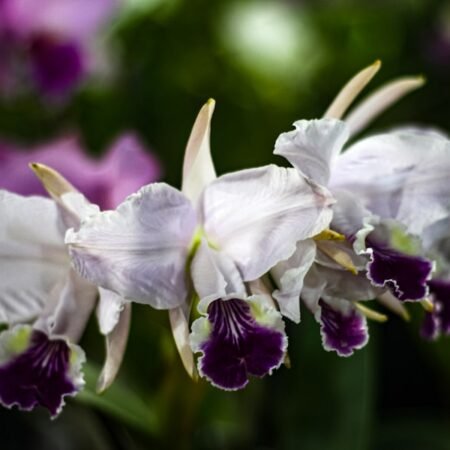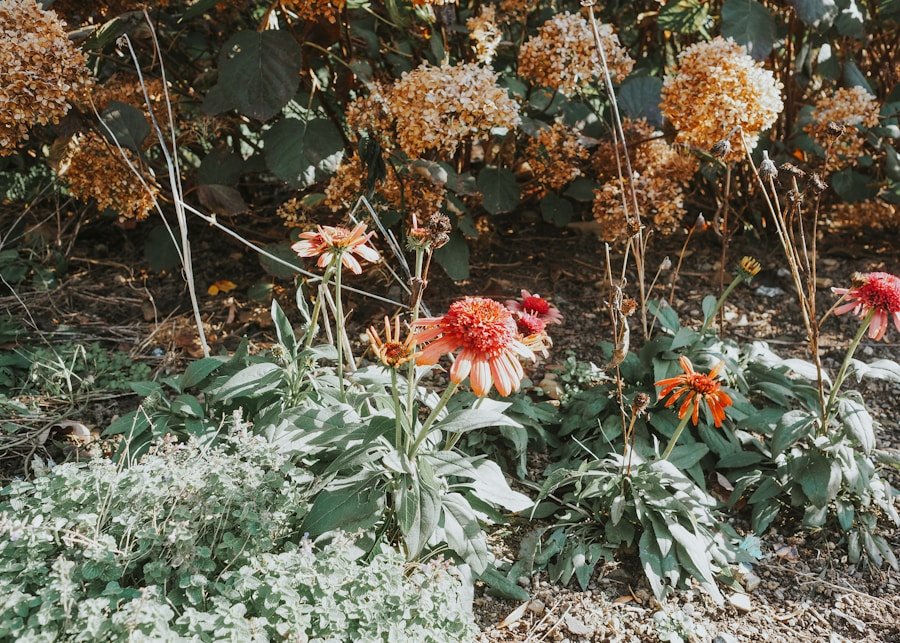

Bush tucker flowers hold a significant cultural importance in Indigenous Australian communities. These flowers have been used for thousands of years as a source of food, medicine, and spiritual connection. They are deeply intertwined with the cultural identity and traditions of Indigenous peoples, representing a connection to the land and the natural world. The knowledge of bush tucker flowers has been passed down through generations, and their significance is reflected in the stories, songs, and art of Indigenous cultures. Understanding the cultural significance of bush tucker flowers is essential for respecting and honoring the traditions and knowledge of Indigenous communities.
In addition to their practical uses, bush tucker flowers also hold spiritual significance for Indigenous peoples. They are often used in ceremonies and rituals, symbolizing the connection between humans and the natural world. The gathering and preparation of bush tucker flowers are often accompanied by traditional practices and protocols, reinforcing their cultural importance. For Indigenous communities, these flowers are not just a source of sustenance, but a symbol of resilience, survival, and connection to the land. Recognizing and respecting the cultural significance of bush tucker flowers is crucial for promoting cultural diversity and understanding in Australia.
Traditional Uses of Bush Tucker Flowers in Indigenous Cultures
The traditional uses of bush tucker flowers in Indigenous cultures are diverse and multifaceted. These flowers have been utilized for a wide range of purposes, including as a source of food, medicine, and materials for crafting. Many bush tucker flowers are edible and have been an important part of the traditional diet of Indigenous peoples for thousands of years. They are often rich in nutrients and have unique flavors, adding diversity to the Indigenous diet. In addition to their culinary uses, bush tucker flowers have also been used for medicinal purposes, treating various ailments and providing relief from common health issues.
Furthermore, bush tucker flowers have been used for crafting and creating traditional tools and artifacts. The fibers and materials from certain flowers have been used to make baskets, nets, and other items essential for daily life. The traditional uses of bush tucker flowers reflect the deep knowledge and understanding that Indigenous peoples have developed over generations. These flowers are not just a source of sustenance, but a reflection of the resourcefulness and ingenuity of Indigenous cultures. Understanding the traditional uses of bush tucker flowers is essential for preserving and promoting Indigenous knowledge and practices.
Identifying and Harvesting Bush Tucker Flowers Responsibly
Identifying and harvesting bush tucker flowers responsibly is crucial for preserving the natural environment and respecting Indigenous knowledge and practices. Before harvesting any bush tucker flowers, it is important to seek permission from the local Indigenous community and obtain the necessary knowledge and guidance. Indigenous peoples have a deep understanding of the land and its resources, and their guidance is essential for ensuring that harvesting is done in a sustainable and respectful manner. Additionally, it is important to learn how to identify different species of bush tucker flowers and understand their ecological significance.
When harvesting bush tucker flowers, it is important to do so in a way that minimizes impact on the environment. This includes only taking what is needed, leaving enough flowers for regeneration, and avoiding damage to surrounding plants and habitats. It is also important to harvest in accordance with traditional practices and protocols, respecting the cultural significance of these flowers. By identifying and harvesting bush tucker flowers responsibly, we can ensure that these important resources are preserved for future generations and that Indigenous knowledge and practices are respected.
Cooking and Culinary Uses of Bush Tucker Flowers
The culinary uses of bush tucker flowers are diverse and offer a unique opportunity to explore Indigenous flavors and traditions. Many bush tucker flowers are edible and can be incorporated into a wide range of dishes, adding depth and complexity to the culinary landscape. These flowers often have distinct flavors that vary from sweet to savory, making them versatile ingredients in both traditional and contemporary cooking. From salads to desserts, bush tucker flowers offer a new dimension to Australian cuisine.
In addition to their culinary uses, bush tucker flowers can also be used to create unique condiments, syrups, and beverages. Their flavors can be infused into oils, vinegars, or spirits, adding a distinctive twist to familiar dishes. The culinary uses of bush tucker flowers provide an opportunity to celebrate Indigenous culture and promote diversity in the food industry. By incorporating these flowers into our cooking, we can honor the traditions and knowledge of Indigenous communities while also expanding our culinary horizons.
Contemporary and Sustainable Uses of Bush Tucker Flowers
In recent years, there has been a growing interest in the contemporary and sustainable uses of bush tucker flowers. These flowers offer a unique opportunity for innovation in various industries, including food, cosmetics, and pharmaceuticals. Their natural flavors, aromas, and properties make them valuable ingredients in product development, offering a sustainable alternative to synthetic or imported ingredients. By incorporating bush tucker flowers into various products, we can support Indigenous communities while also promoting sustainable practices.
Furthermore, the sustainable cultivation and harvesting of bush tucker flowers can provide economic opportunities for Indigenous communities. By partnering with Indigenous growers and producers, we can support sustainable practices while also creating economic opportunities for Indigenous peoples. This not only helps to preserve traditional knowledge and practices but also promotes economic empowerment within Indigenous communities. The contemporary and sustainable uses of bush tucker flowers offer a way to support Indigenous communities while also promoting environmental sustainability.
Respecting and Honoring Indigenous Knowledge and Practices
Respecting and honoring Indigenous knowledge and practices is essential when working with bush tucker flowers. Indigenous peoples have developed a deep understanding of the land and its resources over thousands of years, and their knowledge is invaluable for preserving the natural environment and promoting cultural diversity. It is important to recognize the expertise of Indigenous communities when it comes to identifying, harvesting, and utilizing bush tucker flowers. By seeking guidance from local Indigenous elders and community members, we can ensure that our actions are respectful and aligned with traditional practices.
In addition to seeking guidance from Indigenous communities, it is important to respect the cultural significance of bush tucker flowers. These flowers are not just resources but symbols of resilience, survival, and connection to the land for Indigenous peoples. It is important to approach their use with humility and respect, acknowledging their cultural importance in Indigenous traditions. By respecting and honoring Indigenous knowledge and practices, we can promote cultural diversity and understanding while also supporting the preservation of traditional knowledge.
Promoting Conservation and Preservation of Bush Tucker Flowers
Promoting conservation and preservation of bush tucker flowers is essential for ensuring that these important resources are protected for future generations. The ecological significance of these flowers cannot be understated, as they play a crucial role in maintaining biodiversity and ecosystem health. By promoting sustainable harvesting practices and supporting conservation efforts, we can help ensure that bush tucker flowers continue to thrive in their natural habitats. This includes advocating for the protection of natural areas where these flowers grow and supporting initiatives that promote environmental stewardship.
Furthermore, promoting conservation efforts also involves raising awareness about the cultural significance of bush tucker flowers. By educating others about their importance in Indigenous cultures, we can foster a greater appreciation for these flowers and the traditions they represent. This can help build support for conservation efforts while also promoting cultural understanding and respect. By promoting conservation and preservation of bush tucker flowers, we can ensure that these important resources continue to be valued for their ecological and cultural significance.
In conclusion, bush tucker flowers hold a significant cultural importance in Indigenous Australian communities, representing a connection to the land and the natural world. Understanding their cultural significance is essential for respecting and honoring the traditions and knowledge of Indigenous communities. The traditional uses of bush tucker flowers are diverse, including as a source of food, medicine, and materials for crafting. Identifying and harvesting these flowers responsibly is crucial for preserving the natural environment and respecting Indigenous knowledge and practices. The culinary uses of bush tucker flowers offer a unique opportunity to explore Indigenous flavors while also promoting diversity in the food industry. Additionally, there has been a growing interest in the contemporary and sustainable uses of bush tucker flowers, offering economic opportunities for Indigenous communities while also promoting environmental sustainability. Respecting and honoring Indigenous knowledge and practices is essential when working with bush tucker flowers, as is promoting conservation efforts to ensure their protection for future generations. By recognizing the cultural significance of these flowers while also supporting conservation efforts, we can help preserve their ecological importance while also promoting cultural diversity and understanding in Australia.