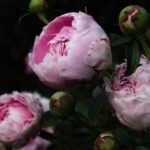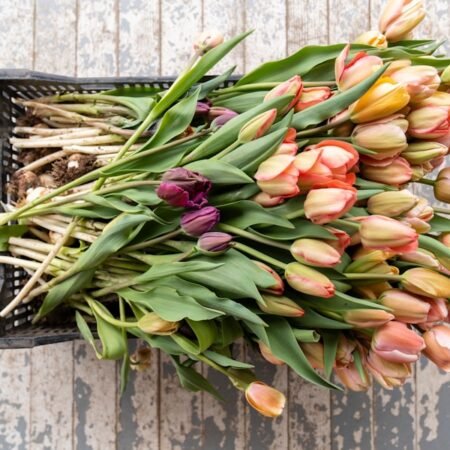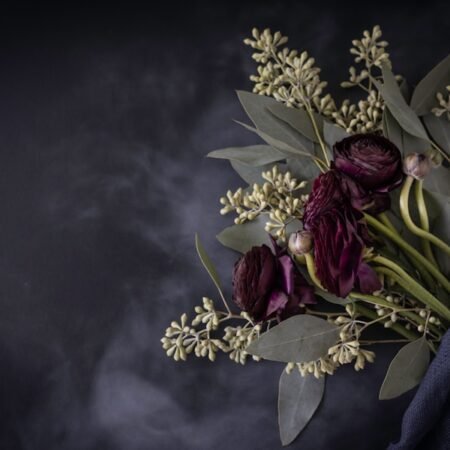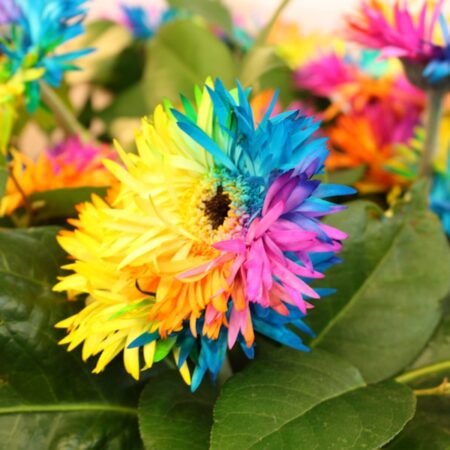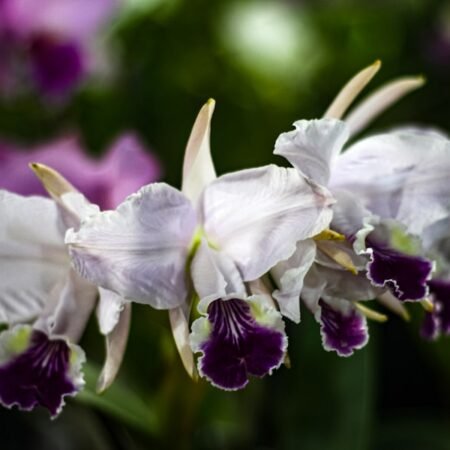

The language of flowers, also known as floriography, is a form of communication through the use of flowers and their symbolic meanings. This ancient practice has been used in various cultures around the world to convey messages, emotions, and sentiments without the need for words. Each flower has its own unique meaning, and the arrangement and combination of different flowers can convey complex messages. The language of flowers has been used in art, literature, and cultural traditions for centuries, and it continues to be a meaningful and symbolic form of expression today.
The Unique Flora of the Australian Outback
The Australian Outback is home to a diverse and unique range of flora, including a wide variety of native flowers that have adapted to the harsh and arid conditions of the region. The Outback is characterized by its vast expanses of red desert, rocky terrain, and sparse vegetation, but despite these challenging conditions, a surprising number of plant species thrive in this environment. Some of the most iconic outback flowers include the Sturt’s desert pea, the kangaroo paw, and the desert rose. These flowers have evolved to survive in the extreme heat and limited water supply of the Outback, and their vibrant colors and striking shapes make them a beautiful and captivating sight to behold.
The flora of the Australian Outback is not only visually stunning, but it also plays a crucial role in the ecosystem of the region. Many outback flowers have adapted to attract specific pollinators, such as birds and insects, and they provide essential food and shelter for native wildlife. In addition, some outback flowers have medicinal properties and have been used by Indigenous Australians for centuries for their healing properties. The unique flora of the Australian Outback is a testament to the resilience and adaptability of nature in even the harshest environments.
How Outback Blooms Signal the Changing Seasons
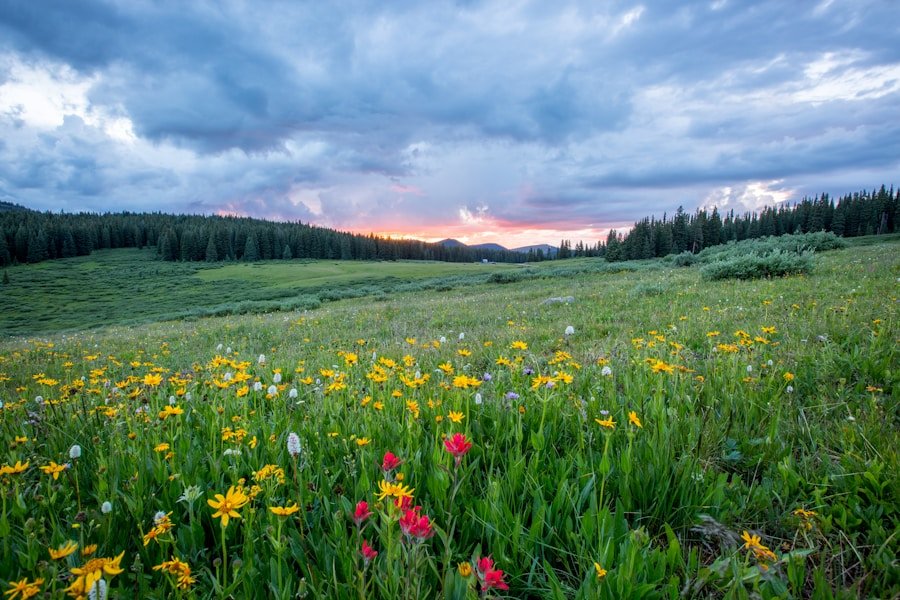
In the Australian Outback, the blooming of native flowers serves as a visual and symbolic indicator of the changing seasons. The Outback experiences extreme temperature variations throughout the year, with scorching hot summers and cool winters. The arrival of spring brings with it a burst of color as outback flowers begin to bloom, signaling the end of the dry season and the beginning of new life. The vibrant hues of red, yellow, and purple that blanket the landscape are a stark contrast to the barrenness of the desert, and they serve as a reminder of the resilience and beauty of nature.
The blooming of outback flowers also plays a crucial role in the survival of native wildlife, as it provides a source of nectar and pollen for pollinators such as bees, butterflies, and birds. This seasonal cycle of blooming and pollination is essential for the reproduction and propagation of outback flora, and it contributes to the overall health and biodiversity of the ecosystem. The changing seasons in the Australian Outback are a testament to the cyclical nature of life, and the blooming of outback flowers is a powerful symbol of renewal and growth.
Traditional Indigenous Uses of Outback Flowers
For thousands of years, Indigenous Australians have utilized outback flowers for their medicinal, cultural, and spiritual significance. The traditional knowledge and practices surrounding outback flora have been passed down through generations, and they continue to play an important role in Indigenous culture today. Many outback flowers have been used for their healing properties, with different parts of the plant being used to treat various ailments such as colds, fevers, and skin conditions. In addition to their medicinal uses, outback flowers hold deep cultural significance for Indigenous Australians, with many species being used in ceremonies, rituals, and storytelling.
The Sturt’s desert pea, for example, is a highly revered flower in Indigenous culture, symbolizing strength, resilience, and survival in harsh conditions. Its vibrant red petals are said to represent the blood of ancestors who fought for their land, making it a powerful symbol of cultural identity and connection to the land. Similarly, the kangaroo paw holds spiritual significance for Indigenous Australians, with its unique shape and vibrant colors representing different aspects of traditional lore and spirituality. The traditional uses of outback flowers by Indigenous Australians highlight the deep connection between people, plants, and the land, and they serve as a reminder of the importance of preserving traditional knowledge and cultural practices.
The Importance of Outback Flowers in Australian Culture
Outback flowers hold a special place in Australian culture, serving as symbols of resilience, beauty, and connection to the land. The vibrant colors and unique shapes of outback flowers have inspired artists, poets, and writers throughout history, with many using them as motifs in their work to convey themes of strength, endurance, and natural beauty. In addition to their artistic significance, outback flowers are also celebrated in various cultural events and festivals across Australia, where they are showcased as symbols of national pride and natural heritage.
The Sturt’s desert pea, in particular, has become an iconic symbol of Australia’s outback landscape, featuring prominently in art, literature, and popular culture. Its striking red petals and black center have made it a recognizable emblem of the Australian Outback, representing the resilience and tenacity of both the land and its people. Similarly, the kangaroo paw has become a beloved symbol of Western Australia, where it is celebrated for its unique beauty and cultural significance. Outback flowers are not only cherished for their aesthetic appeal but also for their ability to evoke a sense of national identity and pride in Australia’s natural heritage.
Conservation Efforts to Protect Outback Flora
The unique flora of the Australian Outback faces numerous threats from habitat destruction, climate change, invasive species, and unsustainable land management practices. As a result, many outback flower species are at risk of extinction, posing a significant threat to the biodiversity and ecological balance of the region. In response to these challenges, conservation efforts have been implemented to protect outback flora and ensure their long-term survival. These efforts include habitat restoration projects, invasive species management, seed banking initiatives, and public awareness campaigns aimed at promoting sustainable land management practices.
One notable conservation initiative is the establishment of protected areas and national parks that are dedicated to preserving the unique flora of the Australian Outback. These protected areas serve as important refuges for outback flowers and provide essential habitat for native wildlife. In addition to protected areas, conservation organizations work closely with Indigenous communities to incorporate traditional ecological knowledge into conservation strategies, recognizing the invaluable role that Indigenous peoples play in preserving outback flora. By working together with local communities and stakeholders, conservation efforts aim to safeguard outback flowers for future generations and ensure that they continue to thrive in their natural environment.
How Tourists Can Experience the Language of Flowers in the Australian Outback
For tourists visiting the Australian Outback, there are numerous opportunities to experience the beauty and symbolism of outback flowers firsthand. Many national parks and botanical gardens offer guided tours that showcase the diverse range of native flora found in the region, providing visitors with an opportunity to learn about the cultural significance and ecological importance of outback flowers. In addition to guided tours, there are also opportunities for tourists to participate in hands-on activities such as wildflower walks, flower arranging workshops, and traditional plant medicine demonstrations led by Indigenous guides.
For those interested in learning more about the language of flowers, there are also opportunities to explore how different outback flowers are used symbolically in Indigenous culture through storytelling sessions and cultural experiences. These immersive experiences provide visitors with a deeper understanding of the spiritual significance and traditional uses of outback flowers by Indigenous Australians. By participating in these activities, tourists can gain a greater appreciation for the rich cultural heritage and natural beauty of outback flowers while supporting local communities and conservation efforts.
In conclusion, outback flowers play a significant role in Australian culture as symbols of resilience, beauty, and connection to the land. Their unique characteristics and cultural significance make them an integral part of Australia’s natural heritage. Through conservation efforts and cultural experiences, it is possible to ensure that outback flowers continue to thrive in their natural environment while preserving their traditional uses by Indigenous Australians. For tourists visiting the Australian Outback, there are numerous opportunities to experience the language of flowers firsthand while supporting local communities and conservation initiatives.