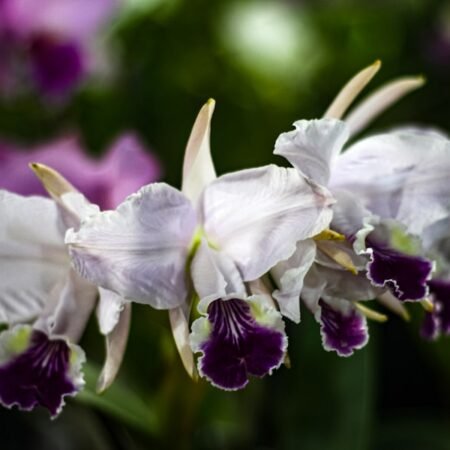

Subtropical garden flowers are a beautiful addition to any garden, adding vibrant colors and unique textures to the landscape. These flowers thrive in warm, humid climates and are often found in regions with mild winters and hot, wet summers. Some popular subtropical garden flowers include hibiscus, bougainvillea, and bird of paradise. These flowers are known for their bold, tropical appearance and can add a touch of exotic beauty to any garden.
Subtropical garden flowers are well-suited to areas with high humidity and ample rainfall, as they require moist soil and regular watering to thrive. They also prefer warm temperatures and can struggle in cooler climates. It’s important to understand the specific needs of subtropical garden flowers in order to successfully care for them in your garden. With the right knowledge and care, these stunning flowers can flourish and bring a touch of the tropics to your outdoor space.
Caring for Subtropical Garden Flowers in Wet Climates
In wet climates, caring for subtropical garden flowers requires special attention to drainage and water management. Excessive moisture can lead to root rot and other issues, so it’s important to ensure that the soil is well-draining and that the plants are not sitting in water for extended periods of time. Adding organic matter to the soil can help improve drainage, as can planting in raised beds or containers. Additionally, it’s important to monitor rainfall and irrigation to prevent overwatering.
In wet climates, it’s also important to keep an eye out for fungal diseases that can thrive in moist conditions. Regularly inspecting plants for signs of disease and treating any issues promptly can help prevent the spread of disease and keep your garden healthy. With proper care and attention to water management, subtropical garden flowers can thrive in wet climates and bring beauty to your outdoor space.
Caring for Subtropical Garden Flowers in Dry Climates
In dry climates, caring for subtropical garden flowers requires a different approach to water management. These plants still require regular watering, but it’s important to be mindful of water conservation and efficient irrigation methods. Drip irrigation systems can be a great option for delivering water directly to the roots of plants, minimizing water waste and ensuring that plants receive the moisture they need to thrive.
In dry climates, it’s also important to provide some shade for subtropical garden flowers, as intense sun and heat can be damaging. Using mulch around plants can help retain moisture in the soil and provide some insulation from the sun’s rays. Additionally, choosing drought-tolerant varieties of subtropical garden flowers can help ensure that your garden thrives in a dry climate. With careful attention to water management and plant selection, subtropical garden flowers can bring beauty to your garden even in a dry climate.
Choosing the Right Plants for Your Climate
When selecting plants for your garden, it’s important to consider the specific climate and growing conditions in your area. Subtropical garden flowers are best suited to warm, humid climates, so it’s important to choose varieties that are well-adapted to these conditions. Researching different types of subtropical garden flowers and their specific needs can help you make informed decisions about which plants will thrive in your garden.
It’s also important to consider factors such as soil type, sun exposure, and available space when choosing plants for your garden. Some subtropical garden flowers may require well-draining soil, while others may prefer partial shade or full sun. By carefully considering these factors and choosing plants that are well-suited to your climate and growing conditions, you can create a beautiful and thriving garden that brings joy and beauty to your outdoor space.
Watering and Irrigation Tips for Subtropical Garden Flowers
Proper watering is essential for the health and vitality of subtropical garden flowers. These plants thrive in moist soil and require regular watering to stay healthy and vibrant. In wet climates, it’s important to monitor rainfall and irrigation to prevent overwatering, while in dry climates, efficient irrigation methods such as drip systems can help ensure that plants receive the moisture they need without wasting water.
It’s also important to water plants at the base rather than from above, as wet foliage can lead to fungal diseases. Watering in the morning can help ensure that plants have adequate moisture throughout the day, while avoiding watering in the evening can prevent excess moisture from lingering on leaves overnight. By paying attention to watering needs and using efficient irrigation methods, you can help your subtropical garden flowers thrive and bring beauty to your outdoor space.
Soil and Fertilization Needs for Subtropical Garden Flowers
Subtropical garden flowers have specific soil and fertilization needs that are essential for their health and growth. These plants thrive in well-draining soil that is rich in organic matter, so it’s important to amend the soil with compost or other organic materials to improve its texture and fertility. Additionally, using a balanced fertilizer formulated for flowering plants can help provide essential nutrients that promote healthy growth and vibrant blooms.
It’s important to regularly test the pH of the soil to ensure that it is within the optimal range for subtropical garden flowers. Most of these plants prefer slightly acidic soil, so adding lime or sulfur as needed can help maintain the proper pH balance. By providing the right soil conditions and using appropriate fertilization methods, you can help your subtropical garden flowers thrive and bring beauty to your outdoor space.
Protecting Subtropical Garden Flowers from Extreme Weather
Subtropical garden flowers are sensitive to extreme weather conditions such as frost, high winds, and intense sun exposure. In regions with occasional frost, it’s important to protect these plants by covering them with frost cloth or bringing them indoors during cold snaps. Providing some shade for subtropical garden flowers can also help protect them from intense sun and heat, especially in dry climates.
In areas prone to high winds, it’s important to provide some shelter for subtropical garden flowers to prevent damage from strong gusts. Planting windbreaks such as hedges or installing protective barriers can help shield these plants from the damaging effects of wind. By taking steps to protect subtropical garden flowers from extreme weather conditions, you can help ensure that they thrive and bring beauty to your outdoor space for years to come.