
The rainforest is a place of wonder and beauty, filled with an incredible array of flora and fauna. One of the most captivating aspects of the rainforest is its stunning variety of flowers. From vibrant orchids to delicate lilies, the rainforest is home to an astonishing diversity of floral species, each more enchanting than the last. The sheer abundance and beauty of rainforest flowers make them a source of fascination for botanists, nature enthusiasts, and artists alike. In this article, we will delve into the significance, availability, diversity, cultivation, and conservation of rainforest flowers, as well as explore their cultural and medicinal uses.
The significance of rainforest flowers: Unraveling their meanings and symbolism
Rainforest flowers hold deep significance in many cultures around the world. They are often associated with beauty, love, and spirituality, and are used in various ceremonies and rituals. In addition to their cultural significance, rainforest flowers also hold symbolic meanings. For example, the orchid is often associated with luxury and elegance, while the hibiscus is a symbol of delicate beauty and femininity. Understanding the meanings and symbolism of rainforest flowers adds an extra layer of appreciation for their beauty and diversity.
Rainforest flowers also play a crucial role in the ecosystem, providing food and shelter for a wide range of animals and insects. Their vibrant colors and sweet fragrances attract pollinators such as bees, butterflies, and birds, helping to ensure the survival of many species. The significance of rainforest flowers extends beyond their aesthetic appeal, making them an integral part of the delicate balance of life in the rainforest.
The availability of rainforest flowers during the humid season
The humid season in the rainforest is a time of abundance, with an explosion of color as countless flowers bloom in a riot of hues. This period, typically occurring during the wet season, is when many rainforest flowers reach their peak bloom. The warm, moist climate provides the perfect conditions for these flowers to thrive, resulting in a breathtaking display of natural beauty.
During this time, the rainforest becomes a paradise for flower enthusiasts and nature lovers, offering a rare opportunity to witness the splendor of these exotic blooms. However, the availability of rainforest flowers during the humid season is not just a treat for the eyes; it also serves as a reminder of the delicate balance of nature and the importance of preserving these precious ecosystems.
The diversity of rainforest flowers: A visual feast for the senses
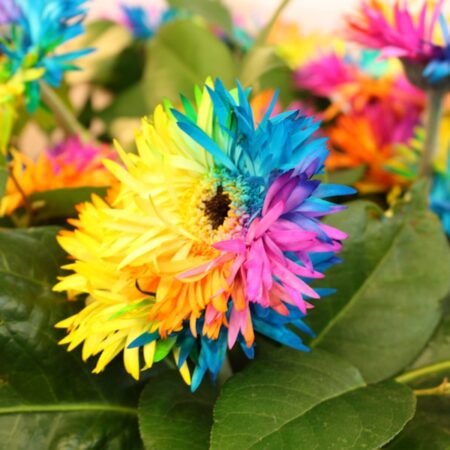
The diversity of rainforest flowers is truly staggering, with thousands of species found in different regions around the world. From the towering trees of the Amazon to the lush jungles of Southeast Asia, each rainforest boasts its own unique collection of floral treasures. The sheer variety of shapes, sizes, colors, and fragrances makes exploring the world of rainforest flowers a feast for the senses.
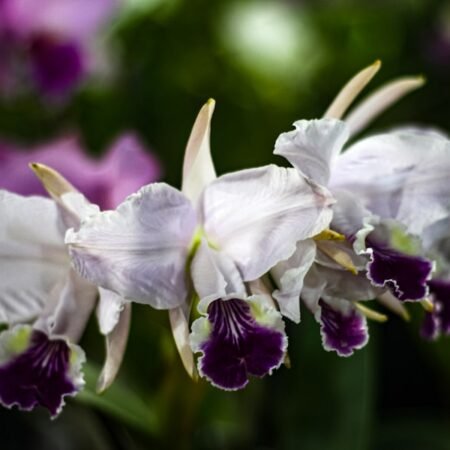
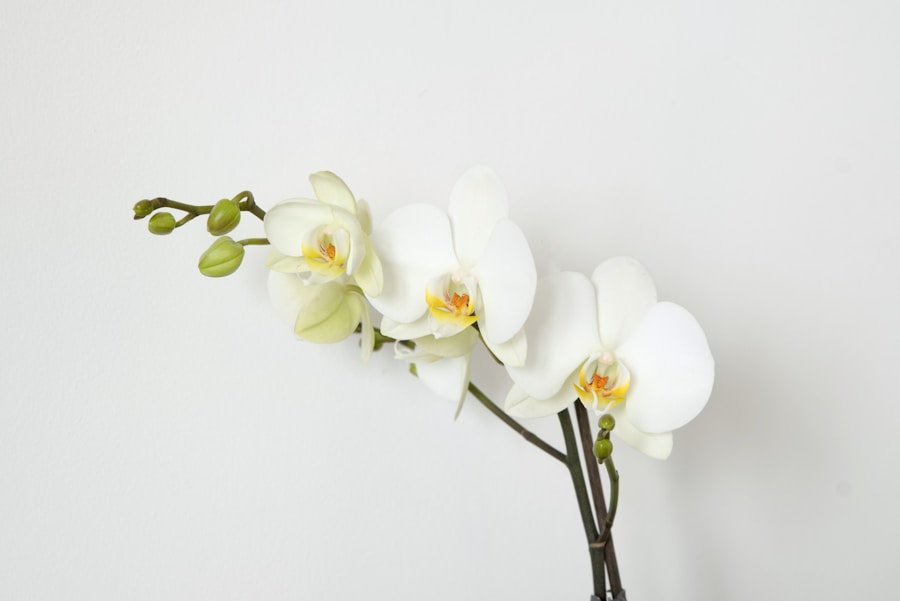
Some of the most iconic rainforest flowers include the exotic orchids, which come in an astonishing array of shapes and colors, and the striking heliconias, known for their vibrant bracts and dramatic appearance. Other notable species include the delicate passionflower, the flamboyant bird-of-paradise, and the elegant bromeliads. Each of these flowers has its own unique charm and allure, adding to the rich tapestry of life in the rainforest.
Cultivating and caring for rainforest flowers in a home garden
While many rainforest flowers are best admired in their natural habitat, it is possible to cultivate and care for them in a home garden with the right conditions. Creating a suitable environment for rainforest flowers requires mimicking their native habitat as closely as possible. This often means providing ample humidity, warmth, and shade, as well as well-draining soil rich in organic matter.
Some popular rainforest flowers that can be grown in home gardens include orchids, bromeliads, and anthuriums. These plants require specific care and attention to thrive, but the reward is well worth the effort. Cultivating rainforest flowers at home allows enthusiasts to enjoy their beauty up close while contributing to conservation efforts by supporting sustainable cultivation practices.
Conservation efforts to protect rainforest flowers and their habitats
The preservation of rainforest flowers and their habitats is crucial for maintaining biodiversity and ecological balance. Unfortunately, many rainforest ecosystems are under threat from deforestation, climate change, and unsustainable land use practices. As a result, numerous species of rainforest flowers are at risk of extinction.
Conservation efforts aimed at protecting rainforest flowers and their habitats are essential for ensuring their survival. This includes establishing protected areas, promoting sustainable land management practices, and raising awareness about the importance of preserving these precious ecosystems. Additionally, botanical gardens and seed banks play a vital role in safeguarding rare and endangered species of rainforest flowers through ex-situ conservation efforts.
Exploring the cultural and medicinal uses of rainforest flowers
In addition to their aesthetic appeal and ecological significance, rainforest flowers have been used for centuries for their cultural and medicinal properties. Many indigenous cultures have long recognized the healing properties of certain flowers found in the rainforest and have incorporated them into traditional medicine practices.
For example, the bark of the cinchona tree, native to the Andean rainforests, contains quinine, a compound used to treat malaria. Similarly, the bark and leaves of the ylang-ylang tree have been used in traditional medicine to alleviate various ailments. In addition to their medicinal uses, rainforest flowers have also been used in cultural ceremonies and rituals by indigenous peoples around the world.
In conclusion, rainforest flowers are not only a source of natural beauty but also hold deep cultural, ecological, and medicinal significance. Their availability during the humid season provides a rare opportunity to witness their splendor firsthand, while their diversity offers a visual feast for the senses. Cultivating these exquisite blooms at home allows enthusiasts to contribute to conservation efforts while enjoying their beauty up close. However, it is essential to recognize the importance of protecting rainforest ecosystems to ensure the survival of these precious floral treasures for future generations.