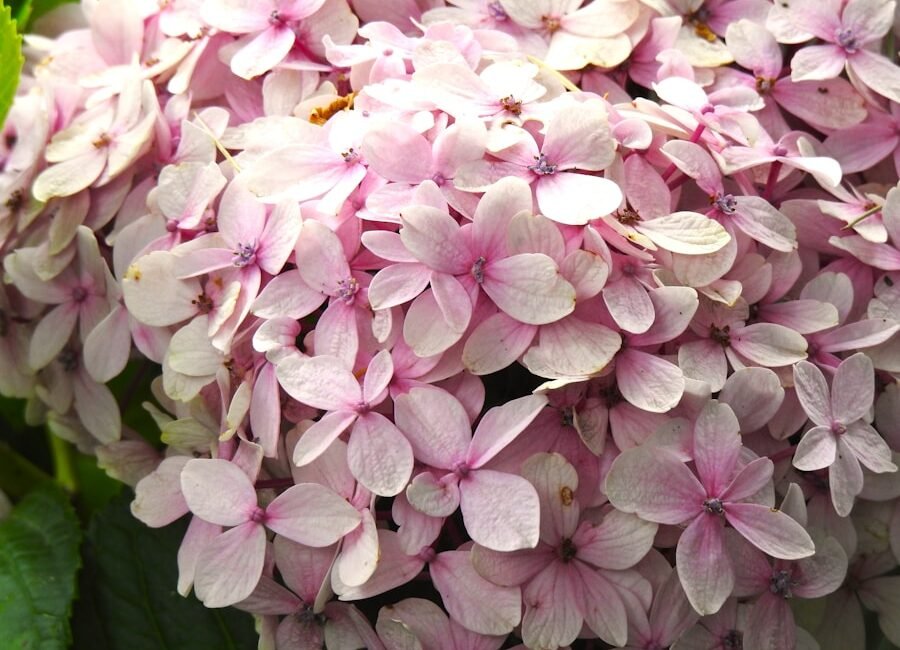

The desert is often seen as a barren and desolate landscape, but after a rare rainfall, it transforms into a breathtaking display of vibrant colors and fragrant blooms. The sight of desert flowers in full bloom is a testament to the resilience and adaptability of nature. From the iconic saguaro cactus to the delicate desert marigold, these flowers add a touch of beauty to an otherwise harsh environment. Exploring the desert after rainfall offers a unique opportunity to witness this hidden beauty and marvel at the stunning transformation that takes place.
The desert’s hidden beauty is a sight to behold, with flowers blooming in a myriad of colors, from fiery reds and oranges to soft pinks and purples. The contrast of these vibrant blooms against the arid landscape creates a surreal and captivating scene that is truly awe-inspiring. As the sun glistens off the dew-kissed petals, the desert comes alive with a symphony of colors and scents, creating an enchanting experience for those lucky enough to witness it. Exploring the blooming flowers after rainfall is a reminder of the resilience and beauty that can be found in even the harshest of environments.
Unraveling the Symbolism of Desert Flowers: What Do They Represent?
Desert flowers have long been associated with symbolism and meaning, representing a range of emotions and concepts. In many cultures, desert flowers are seen as symbols of hope, resilience, and endurance, as they are able to thrive in the most unforgiving of environments. The ability of these flowers to bloom and flourish in the face of adversity has made them a powerful symbol of strength and perseverance. Additionally, desert flowers are often seen as symbols of beauty and grace, as their delicate petals and vibrant colors stand in stark contrast to the harshness of the desert landscape.
The symbolism of desert flowers extends beyond their physical attributes, with many cultures viewing them as symbols of renewal and rebirth. After a rainfall, the desert comes alive with a burst of color and life, symbolizing the cyclical nature of existence and the potential for new beginnings. In literature and art, desert flowers are often used as metaphors for growth, transformation, and the enduring power of the human spirit. Unraveling the symbolism of desert flowers reveals their deep-rooted significance in human culture and their ability to inspire and uplift in times of hardship.
The Significance of Desert Flowers After Rainfall: How Do They Thrive in Harsh Conditions?
The significance of desert flowers after rainfall lies in their remarkable ability to thrive in some of the harshest conditions on earth. The desert is characterized by extreme temperatures, limited water sources, and nutrient-poor soil, making it an inhospitable environment for most plants. However, desert flowers have evolved unique adaptations that allow them to survive and even thrive in these challenging conditions. Their ability to quickly germinate and bloom after a rainfall is a testament to their resilience and adaptability.
One of the key adaptations that allow desert flowers to thrive after rainfall is their ability to store water in their stems, leaves, and roots. This allows them to survive long periods of drought and quickly take advantage of any available moisture. Additionally, many desert flowers have developed deep root systems that allow them to access water deep underground, giving them a competitive advantage over other plants. Their ability to conserve water and efficiently use available resources is what allows desert flowers to flourish in such harsh conditions. Understanding the significance of desert flowers after rainfall sheds light on their remarkable adaptations and their ability to thrive in one of the most challenging environments on earth.
The Role of Desert Flowers in Ecosystems: Supporting Biodiversity and Wildlife
Desert flowers play a crucial role in supporting biodiversity and wildlife in these harsh environments. Their blooms provide a vital food source for insects, birds, and small mammals, helping to sustain diverse ecosystems in the desert. Insects such as bees and butterflies rely on the nectar and pollen from desert flowers for sustenance, while birds feed on the seeds and insects that are attracted to the blooms. In turn, these animals help to pollinate the flowers and disperse their seeds, contributing to the continued survival and spread of desert flora.
Furthermore, desert flowers contribute to soil stabilization and erosion control, helping to maintain the delicate balance of desert ecosystems. Their roots help to anchor the soil, preventing erosion caused by wind and water, while also improving soil fertility through nutrient cycling. This is particularly important in arid regions where soil erosion can have devastating effects on local ecosystems. By supporting biodiversity, providing food for wildlife, and contributing to soil stability, desert flowers play an essential role in maintaining healthy and thriving desert ecosystems.
Cultivating Appreciation for Desert Flora: How to Preserve and Protect These Fragile Beauties
Cultivating appreciation for desert flora is essential for preserving and protecting these fragile beauties for future generations. One way to do this is by promoting sustainable tourism practices that minimize the impact on delicate desert ecosystems. This includes staying on designated trails, refraining from picking or trampling flowers, and respecting wildlife habitats. Additionally, supporting conservation efforts and participating in volunteer programs can help to protect desert flora from threats such as habitat destruction and climate change.
Education also plays a crucial role in cultivating appreciation for desert flora, as it helps to raise awareness about the importance of these plants and their role in maintaining healthy ecosystems. By teaching people about the unique adaptations of desert flowers, their ecological significance, and their cultural importance, we can foster a greater understanding and appreciation for these fragile beauties. Finally, supporting local initiatives that promote sustainable land management practices and habitat restoration can help to ensure that desert flora continue to thrive for generations to come.
The Cultural and Historical Importance of Desert Flowers: Their Impact on Art and Literature
The cultural and historical importance of desert flowers is evident in their impact on art and literature throughout human history. From ancient petroglyphs depicting desert blooms to modern-day paintings and poetry inspired by their beauty, desert flowers have long been a source of inspiration for artists and writers. In many cultures, these flowers are seen as symbols of beauty, resilience, and hope, making them a popular motif in art and literature.
In addition to their symbolic significance, desert flowers have also played a practical role in human history, providing food, medicine, and materials for various purposes. Native American tribes used desert plants such as agave and yucca for food, fiber, and medicine, while early settlers relied on cacti for water during long journeys through arid landscapes. The cultural and historical importance of desert flowers is deeply intertwined with human civilization, making them an integral part of our shared heritage.
Experiencing the Enchantment of Desert Flowers: Where to Find and Enjoy Their Splendor
Experiencing the enchantment of desert flowers is a truly magical experience that can be enjoyed in various locations around the world. Some of the best places to witness blooming desert flora include national parks such as Joshua Tree National Park in California, Saguaro National Park in Arizona, and Anza-Borrego Desert State Park in California. These protected areas offer a chance to see a diverse array of desert flowers in their natural habitat, from iconic cacti to colorful wildflowers.
In addition to national parks, botanical gardens and nature reserves often feature displays of desert flora that can be enjoyed year-round. These curated collections provide an opportunity to learn about different species of desert flowers from around the world and appreciate their unique beauty up close. Whether exploring natural landscapes or visiting cultivated gardens, experiencing the enchantment of desert flowers is an unforgettable journey into the heart of one of nature’s most resilient and captivating creations.