
Cottage garden flowers are a delightful and charming addition to any garden. These flowers are often characterized by their informal and naturalistic appearance, and they are typically arranged in a way that mimics the look of a traditional English cottage garden. Cottage garden flowers are known for their vibrant colors, sweet scents, and romantic appeal, making them a popular choice for gardeners looking to create a whimsical and inviting outdoor space. These flowers are often associated with a sense of nostalgia and romance, and they have a timeless quality that makes them a beloved choice for gardeners of all ages.
Cottage garden flowers can include a wide variety of plant species, including perennials, annuals, and biennials. Some common examples of cottage garden flowers include roses, peonies, foxgloves, delphiniums, and hollyhocks. These flowers are often chosen for their ability to attract pollinators such as bees and butterflies, making them not only beautiful but also beneficial to the local ecosystem. Whether you have a small backyard garden or a sprawling country estate, cottage garden flowers can add a touch of natural beauty and old-world charm to any outdoor space.
The Significance of Flower Meanings
Flowers have been used to convey messages and emotions for centuries, and different types of flowers have long been associated with specific meanings and symbolism. The language of flowers, also known as floriography, was particularly popular during the Victorian era, when people would use flowers to communicate sentiments that could not be expressed openly. Today, the tradition of assigning meanings to flowers continues to be a popular practice, with many people using specific blooms to convey their feelings or intentions.
The significance of flower meanings can vary depending on cultural and historical context, but certain flowers have enduring associations that are widely recognized. For example, roses are often associated with love and romance, while lilies are commonly linked to purity and innocence. Understanding the meanings behind different types of flowers can add depth and nuance to the act of giving or receiving floral arrangements, and it can also help people create more meaningful and personalized gardens. By incorporating flowers with specific meanings into their outdoor spaces, gardeners can create a rich tapestry of symbolism that adds an extra layer of beauty and significance to their landscapes.
Springtime Cottage Garden Flowers and Their Meanings
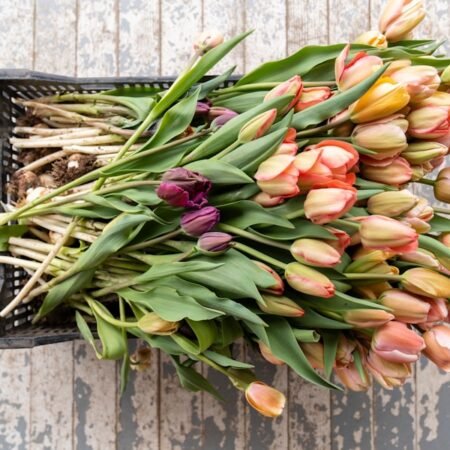
Spring is a time of renewal and rebirth, and the flowers that bloom during this season are often associated with themes of growth, vitality, and new beginnings. Many cottage garden flowers that bloom in springtime are known for their vibrant colors and sweet fragrances, making them a popular choice for gardeners looking to create a lively and inviting outdoor space. Some common springtime cottage garden flowers include tulips, daffodils, hyacinths, and lilacs.
Tulips are often associated with love and passion, making them a popular choice for romantic gestures and special occasions. Daffodils are often linked to themes of rebirth and new beginnings, while hyacinths are commonly associated with sincerity and forgiveness. Lilacs are often seen as symbols of youthful innocence and first love. By incorporating these springtime cottage garden flowers into their landscapes, gardeners can create a sense of joy and optimism that reflects the spirit of the season.
Summertime Cottage Garden Flowers and Their Meanings
Summer is a time of warmth and abundance, and the flowers that bloom during this season are often associated with themes of vitality, energy, and celebration. Many cottage garden flowers that bloom in summertime are known for their bold colors and exuberant blooms, making them a popular choice for gardeners looking to create a vibrant and lively outdoor space. Some common summertime cottage garden flowers include roses, peonies, sunflowers, and delphiniums.
Roses are often associated with love and passion, making them a popular choice for romantic gestures and special occasions. Peonies are often linked to themes of prosperity and good fortune, while sunflowers are commonly associated with happiness and positivity. Delphiniums are often seen as symbols of grace and dignity. By incorporating these summertime cottage garden flowers into their landscapes, gardeners can create a sense of warmth and abundance that reflects the spirit of the season.
Autumn Cottage Garden Flowers and Their Meanings
Autumn is a time of transition and reflection, and the flowers that bloom during this season are often associated with themes of change, wisdom, and gratitude. Many cottage garden flowers that bloom in autumn are known for their rich colors and earthy scents, making them a popular choice for gardeners looking to create a cozy and inviting outdoor space. Some common autumn cottage garden flowers include chrysanthemums, asters, dahlias, and marigolds.
Chrysanthemums are often associated with themes of longevity and endurance, making them a popular choice for honoring loved ones who have passed away. Asters are often linked to themes of patience and wisdom, while dahlias are commonly associated with inner strength and creativity. Marigolds are often seen as symbols of gratitude and protection. By incorporating these autumn cottage garden flowers into their landscapes, gardeners can create a sense of warmth and reflection that reflects the spirit of the season.
Winter Cottage Garden Flowers and Their Meanings
Winter is a time of stillness and introspection, and the flowers that bloom during this season are often associated with themes of resilience, hope, and renewal. Many cottage garden flowers that bloom in wintertime are known for their delicate beauty and subtle fragrances, making them a popular choice for gardeners looking to create a peaceful and contemplative outdoor space. Some common winter cottage garden flowers include hellebores, snowdrops, camellias, and witch hazel.
Hellebores are often associated with themes of hope and protection, making them a popular choice for bringing a sense of optimism to winter landscapes. Snowdrops are often linked to themes of purity and rebirth, while camellias are commonly associated with gratitude and admiration. Witch hazel is often seen as a symbol of healing and resilience. By incorporating these winter cottage garden flowers into their landscapes, gardeners can create a sense of tranquility and renewal that reflects the spirit of the season.
Embracing the Timeless Charm of Cottage Garden Flowers
Cottage garden flowers have an enduring appeal that transcends time and trends. These flowers have long been cherished for their natural beauty, romantic symbolism, and ability to evoke feelings of nostalgia and joy. By understanding the meanings behind different types of cottage garden flowers, gardeners can create landscapes that are not only visually stunning but also deeply meaningful. Whether it’s the vibrant colors of springtime blooms or the delicate beauty of winter flowers, cottage garden flowers offer a timeless charm that can enrich any outdoor space.
Incorporating cottage garden flowers into your landscape can be a wonderful way to connect with nature, express your creativity, and create a sense of beauty and tranquility in your outdoor space. Whether you have a small urban garden or a sprawling country estate, cottage garden flowers can add a touch of old-world charm and natural beauty to any setting. So why not embrace the timeless allure of cottage garden flowers and create a landscape that is not only visually stunning but also deeply meaningful? With their rich symbolism and enduring appeal, these flowers have the power to transform any outdoor space into a place of beauty, joy, and connection.