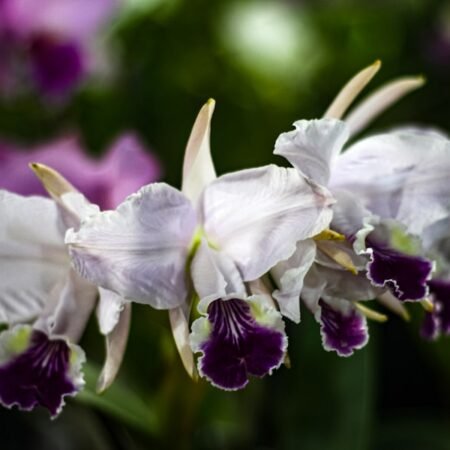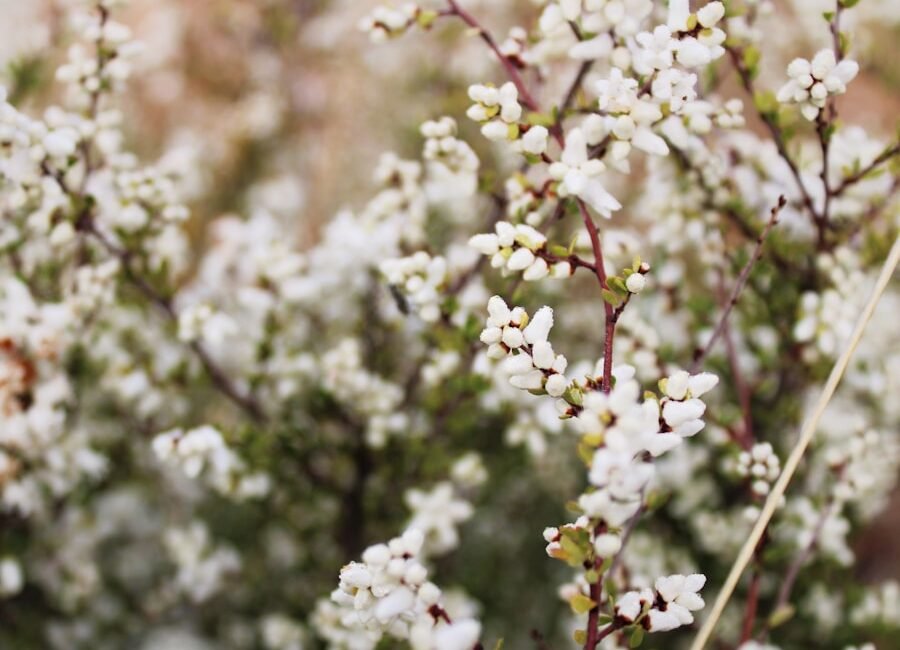

Native flowers are a beautiful and sustainable option for bringing the beauty of nature into your home. These flowers are indigenous to a specific region and have adapted to the local climate and soil conditions over time. They are an important part of the ecosystem, providing food and habitat for local wildlife, and they also play a crucial role in maintaining the balance of the environment. By incorporating native flowers into your home, you can not only enjoy their natural beauty but also contribute to the preservation of local biodiversity.
Native flowers come in a wide variety of shapes, sizes, and colors, making them a versatile choice for any home decor. From vibrant wildflowers to delicate woodland blooms, there is a native flower to suit every style and preference. Whether you prefer a rustic, natural look or a more modern and minimalist aesthetic, native flowers can add a touch of natural beauty to any space. By choosing native flowers for your home, you can create a connection to the local environment and support the conservation of native plant species.
Benefits of Using Native Flowers in the Home
There are numerous benefits to using native flowers in the home, both for the environment and for your own well-being. One of the key advantages of native flowers is their low maintenance requirements. Because they have evolved to thrive in their local environment, native flowers are well-suited to the climate and soil conditions of their region. This means that they require less water, fertilizer, and pesticides than non-native plants, making them a more sustainable and eco-friendly choice for home gardening.
In addition to their environmental benefits, native flowers can also have a positive impact on your mental and emotional well-being. Studies have shown that being surrounded by nature, including native flowers, can reduce stress, improve mood, and increase feelings of happiness and well-being. By bringing the beauty of the outdoors into your home with native flowers, you can create a calming and uplifting atmosphere that promotes relaxation and creativity. Furthermore, using native flowers in your home can also support local wildlife by providing food and habitat for pollinators such as bees, butterflies, and birds.
How to Choose the Right Native Flowers for Your Home
When choosing native flowers for your home, it’s important to consider the specific growing conditions of your region. Native flowers are adapted to the climate, soil, and sunlight levels of their native habitat, so it’s essential to select species that will thrive in your local environment. Start by researching the native flowers that are indigenous to your area and take note of their preferred growing conditions. Consider factors such as sunlight requirements, soil type, and water needs to ensure that you choose the right plants for your home.
Another important consideration when choosing native flowers for your home is the aesthetic appeal of the plants. Look for native flowers that complement your home decor and personal style. Whether you prefer bold, colorful blooms or subtle, delicate flowers, there are native species to suit every taste. Consider the size and shape of the plants as well, as some native flowers may be better suited to indoor containers or hanging baskets than others. By carefully selecting native flowers that are well-suited to your home environment and personal preferences, you can create a beautiful and sustainable indoor garden.
Tips for Caring for Native Flowers Indoors
Caring for native flowers indoors requires some special considerations to ensure that the plants thrive in their new environment. One of the most important factors to consider is light exposure. Many native flowers require full sunlight to bloom and grow properly, so it’s essential to place them in a location where they will receive adequate sunlight throughout the day. If your home doesn’t have enough natural light, consider using grow lights to supplement the plants’ light needs.
In addition to light exposure, it’s important to provide proper watering and soil conditions for native flowers indoors. Most native flowers prefer well-draining soil that is kept consistently moist but not waterlogged. Be sure to water your plants regularly, but avoid overwatering, as this can lead to root rot and other issues. It’s also important to monitor the humidity levels in your home, as some native flowers may require higher humidity than is typical indoors. Consider using a humidifier or misting the plants regularly to create a more suitable environment for your native flowers.
Design Ideas for Incorporating Native Flowers into Your Home
There are countless ways to incorporate native flowers into your home decor, from simple arrangements to more elaborate displays. One popular option is to create a living wall or vertical garden using native flowers. This can be done using wall-mounted planters or hanging baskets filled with a variety of native plants. Not only does this add a touch of natural beauty to your home, but it also maximizes space and creates a stunning focal point.
Another creative way to incorporate native flowers into your home is by using them as centerpieces or table decorations. Arrange a mix of native blooms in a vase or decorative container to create a beautiful and sustainable centerpiece for your dining table or living room. You can also use native flowers to add color and texture to other areas of your home, such as by placing them on shelves, mantels, or windowsills. By incorporating native flowers into your home decor, you can bring the beauty of nature indoors and create a welcoming and inviting atmosphere.
Eco-Friendly Practices for Growing Native Flowers
When growing native flowers in your home, there are several eco-friendly practices you can implement to minimize your environmental impact. One important practice is to use organic fertilizers and pest control methods whenever possible. Avoiding synthetic chemicals helps to protect the local ecosystem and reduces the risk of harm to beneficial insects and wildlife. Additionally, consider composting organic matter from your garden to create nutrient-rich soil amendments for your native flowers.
Another eco-friendly practice for growing native flowers is to conserve water by using efficient irrigation methods. Consider installing a drip irrigation system or using rain barrels to collect and store rainwater for watering your plants. This not only reduces water waste but also helps to conserve local water resources. Additionally, consider using sustainable gardening practices such as mulching with organic materials to retain moisture in the soil and suppress weeds.
Embracing Sustainability with Native Flowers in the Home
In conclusion, incorporating native flowers into your home is a beautiful and sustainable way to bring the beauty of nature indoors. By choosing native flowers that are well-suited to your local environment and personal style, you can create a connection to the natural world while supporting local biodiversity. Native flowers offer numerous benefits for both the environment and your own well-being, from their low maintenance requirements to their positive impact on mental and emotional health.
When caring for native flowers indoors, it’s important to provide proper light exposure, watering, and soil conditions to ensure that the plants thrive in their new environment. There are countless design ideas for incorporating native flowers into your home decor, from living walls to table centerpieces, allowing you to bring the beauty of nature into every room. By implementing eco-friendly practices such as using organic fertilizers and efficient irrigation methods, you can minimize your environmental impact while growing native flowers in your home. Embracing sustainability with native flowers not only enhances the beauty of your home but also contributes to the preservation of local ecosystems and promotes a healthier planet for future generations.