
Allergies in newborns can be a cause of concern for many parents. It is important to understand that allergies can develop at any age, including in newborns. Allergies occur when the immune system reacts to a substance that is normally harmless, such as pollen, pet dander, or certain foods. Common allergens that can affect newborns include dust mites, mold, pet dander, and certain foods like cow’s milk, eggs, and peanuts. Symptoms of allergies in newborns can include skin rashes, hives, eczema, wheezing, coughing, and digestive issues like vomiting or diarrhea. It is important for parents to be aware of these symptoms and seek medical attention if they suspect their newborn may have allergies.
Allergies in newborns can be managed through various methods, including avoiding exposure to allergens, using allergy-friendly products, and seeking medical treatment if necessary. It is important for parents to work closely with their pediatrician to develop a plan for managing their newborn’s allergies. This may include making changes to the home environment, such as using allergy-friendly bedding and cleaning products, as well as making adjustments to the newborn’s diet if food allergies are suspected. By understanding the potential causes and symptoms of allergies in newborns, parents can take proactive steps to ensure their newborn’s health and well-being.
Allergy-Friendly Flower Options
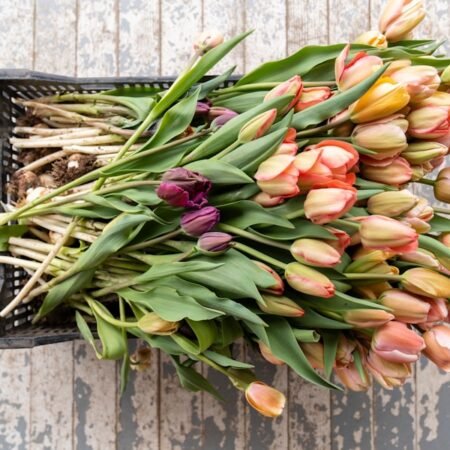
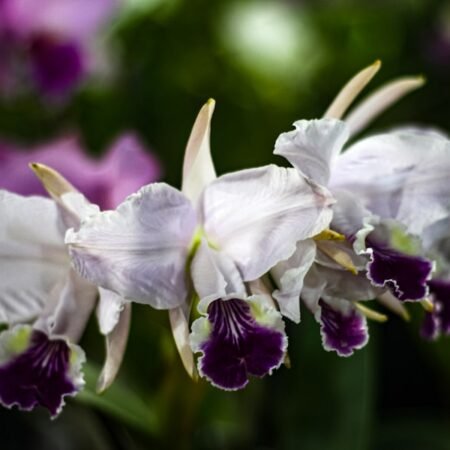
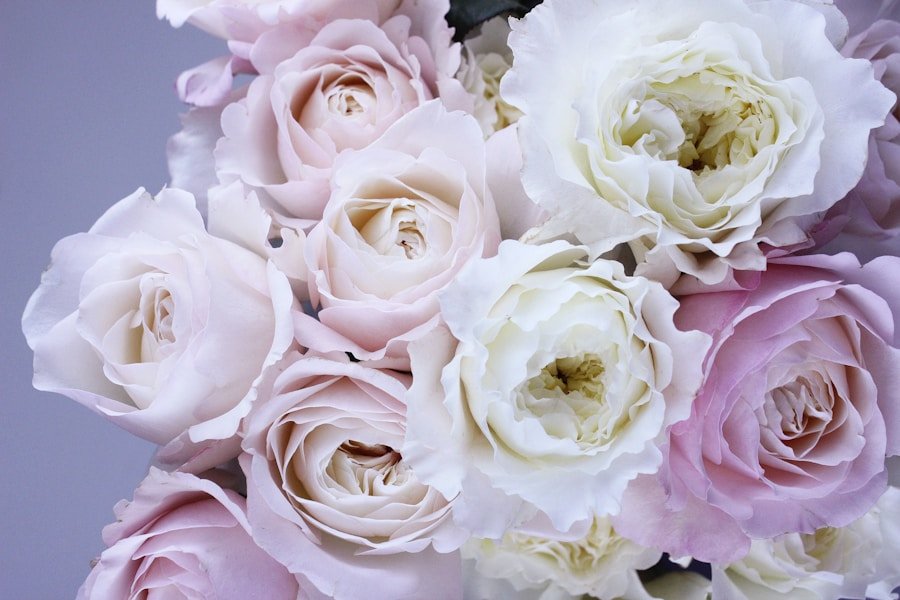
When it comes to celebrating special occasions with flowers, it is important to consider allergy-friendly options, especially when there are newborns or young children present. Some flowers are known to produce pollen that can trigger allergies in sensitive individuals. However, there are several allergy-friendly flower options that can be used to create beautiful and safe floral arrangements. Some allergy-friendly flowers include roses, daffodils, tulips, and orchids. These flowers produce minimal pollen and are less likely to cause allergic reactions. Additionally, it is important to choose flowers with a low fragrance, as strong scents can also trigger allergies in some individuals.
When selecting allergy-friendly flower options, it is also important to consider the vase life of the flowers. Some allergy-friendly flowers have a longer vase life than others, making them ideal for creating long-lasting floral arrangements. By choosing allergy-friendly flower options, individuals can enjoy the beauty of flowers without worrying about triggering allergies in themselves or their loved ones. It is also important to consider the placement of the floral arrangements, as some individuals may still be sensitive to pollen even from allergy-friendly flowers. Placing the arrangements in well-ventilated areas and regularly changing the water can help minimize the risk of allergic reactions.
Non-Allergenic Flower Arrangements
For individuals who are particularly sensitive to allergens, non-allergenic flower arrangements may be the best option for celebrating special occasions. Non-allergenic flower arrangements are created using flowers that produce little to no pollen and have a low fragrance. Some non-allergenic flower options include hydrangeas, peonies, and sunflowers. These flowers are not only beautiful but also safe for individuals with allergies or sensitivities to pollen. When creating non-allergenic flower arrangements, it is important to consider the color and texture of the flowers to create visually stunning displays.
In addition to choosing non-allergenic flowers, it is also important to consider the foliage and fillers used in the arrangements. Some individuals may have sensitivities to certain types of foliage or fillers, so it is important to choose non-allergenic options such as eucalyptus or baby’s breath. By carefully selecting non-allergenic flowers, foliage, and fillers, individuals can create stunning floral arrangements that are safe for everyone to enjoy. It is also important to communicate with florists about any specific allergy concerns when ordering non-allergenic flower arrangements to ensure that the final product meets the needs of all individuals involved.
Tips for Creating an Allergy-Friendly Nursery
Creating an allergy-friendly nursery is essential for ensuring the health and well-being of newborns and young children. Allergens such as dust mites, pet dander, and mold can trigger allergic reactions in sensitive individuals, so it is important to take proactive steps to minimize exposure to these allergens in the nursery. One of the first steps in creating an allergy-friendly nursery is to choose hypoallergenic bedding and furniture. This includes using mattress and pillow covers that are designed to block allergens, as well as choosing furniture made from materials that are easy to clean and resistant to dust mites and mold.
In addition to choosing hypoallergenic bedding and furniture, it is important to regularly clean and vacuum the nursery to remove dust and other allergens. Using a HEPA filter in the nursery can also help reduce airborne allergens. It is also important to choose flooring that is easy to clean and does not trap allergens, such as hardwood or laminate flooring. When decorating the nursery, it is important to choose allergy-friendly paint and avoid using strong-smelling chemicals or materials that may trigger allergic reactions. By taking these steps, parents can create a safe and comfortable environment for their newborn that minimizes the risk of allergic reactions.
Alternatives to Traditional Flower Gifts
For individuals who have allergies or sensitivities to flowers, there are several alternatives to traditional flower gifts that can still convey thoughtfulness and beauty. One alternative to traditional flower gifts is potted plants or succulents. Potted plants and succulents are long-lasting and require minimal maintenance, making them a great option for individuals who may not be able to enjoy traditional flower arrangements due to allergies. Another alternative is fruit or gourmet gift baskets, which can be just as visually appealing as flowers and offer a delicious treat for the recipient.
For individuals who prefer non-perishable gifts, there are several options such as scented candles, decorative home accessories, or personalized gifts that can convey thoughtfulness without triggering allergies. It is important to consider the recipient’s specific allergies or sensitivities when choosing alternative gifts to ensure that they can be enjoyed without causing any adverse reactions. By considering alternative gift options, individuals can still express their sentiments without relying on traditional flower gifts.
Communicating Allergy Concerns to Visitors
When hosting visitors in a home with allergies or sensitivities, it is important to communicate any allergy concerns in advance to ensure a safe and comfortable environment for everyone involved. This includes informing visitors about any specific allergens present in the home, such as pet dander or certain foods, as well as any precautions that may need to be taken to minimize exposure to allergens. It is also important to provide alternatives for visitors who may have allergies or sensitivities, such as offering non-allergenic snacks or beverages.
In addition to communicating allergy concerns in advance, it is important to create a welcoming environment for visitors with allergies by taking proactive steps to minimize allergens in the home. This may include using air purifiers or keeping pets in a separate area of the home during visits. By openly communicating allergy concerns and taking proactive steps to create an allergy-friendly environment, hosts can ensure that all visitors feel welcome and comfortable in their home.
Celebrating with Allergy-Friendly Decorations
When celebrating special occasions with decorations, it is important to consider allergy-friendly options for individuals with sensitivities or allergies. This includes choosing decorations that do not produce airborne allergens or strong scents that may trigger allergic reactions. Some allergy-friendly decoration options include paper decorations, fabric banners, and LED candles. These decorations are visually appealing and safe for individuals with allergies or sensitivities.
It is also important to consider the placement of decorations when celebrating with allergy-friendly options. Placing decorations in well-ventilated areas and avoiding excessive use of scented products can help minimize the risk of triggering allergic reactions in sensitive individuals. By choosing allergy-friendly decorations and being mindful of placement and usage, individuals can create a festive atmosphere that is safe for everyone to enjoy.
In conclusion, understanding allergies in newborns is essential for parents to ensure the health and well-being of their children. When celebrating special occasions with flowers, it is important to consider allergy-friendly options such as non-allergenic flower arrangements or alternative gifts. Creating an allergy-friendly nursery involves choosing hypoallergenic bedding and furniture and taking proactive steps to minimize exposure to allergens. Communicating allergy concerns to visitors and celebrating with allergy-friendly decorations are also important considerations for creating a safe and welcoming environment for individuals with allergies or sensitivities. By taking these proactive steps, individuals can celebrate special occasions while ensuring the health and comfort of everyone involved.