
Flowers have been used for centuries to convey messages and emotions, and in tropical Australia, the meanings behind these blooms are deeply rooted in the culture and traditions of the region. Climate-smart flower meanings are important because they not only reflect the natural environment and climate of the area, but they also serve as a reminder of the need to protect and preserve the delicate ecosystems that support these beautiful blooms. By understanding the significance of climate-smart flower meanings, individuals can make more informed choices when selecting flowers for their gardens, ensuring that they are not only aesthetically pleasing, but also environmentally sustainable.
Furthermore, climate-smart flower meanings can also serve as a way to educate and raise awareness about the impact of climate change on the natural world. By choosing flowers that are well-suited to the local climate and environment, individuals can help support biodiversity and conservation efforts, while also sending a powerful message about the importance of protecting our planet. In this way, climate-smart flower meanings can be a powerful tool for promoting environmental stewardship and inspiring others to take action to address the challenges of climate change.
Exploring the Diversity of Tropical Australian Flowers
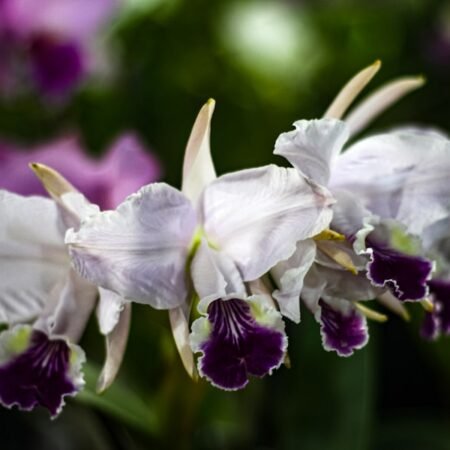
Tropical Australia is home to a stunning array of flowers, each with its own unique beauty and significance. From the vibrant blooms of the tropical rainforest to the delicate flowers of the coastal regions, the diversity of tropical Australian flowers is truly remarkable. By exploring this diversity, individuals can gain a deeper appreciation for the natural world and the important role that flowers play in the local ecosystem. Whether it’s the iconic blooms of the golden wattle, the striking beauty of the red waratah, or the delicate elegance of the orchid, tropical Australian flowers offer a rich tapestry of colors, shapes, and scents that reflect the unique character of the region.
Moreover, by celebrating the diversity of tropical Australian flowers, individuals can also help promote biodiversity and conservation efforts. By cultivating a greater variety of native flowers in their gardens, individuals can provide essential habitat and food sources for local wildlife, while also helping to preserve the genetic diversity of these important plant species. In this way, exploring the diversity of tropical Australian flowers can be a powerful way to support the health and resilience of local ecosystems, while also enjoying the beauty and wonder of these unique blooms.
Understanding the Impact of Climate Change on Rainforest Flora
The impact of climate change on rainforest flora in tropical Australia is a growing concern, as rising temperatures and changing weather patterns threaten the delicate balance of these unique ecosystems. As temperatures rise, many rainforest plants are facing increased stress from heat and drought, while changing rainfall patterns can disrupt their natural growth cycles. In addition, extreme weather events such as cyclones and storms can cause widespread damage to rainforest flora, further exacerbating the challenges they face.
Furthermore, climate change can also have indirect impacts on rainforest flora by altering the habitats and food sources of local wildlife. As temperatures rise, many animal species may be forced to migrate to higher elevations in search of cooler temperatures, disrupting their natural interactions with rainforest plants. This can have cascading effects on the health and resilience of rainforest flora, as they rely on these animals for pollination, seed dispersal, and other essential ecological functions.
Cultivating Climate-Smart Gardens in Tropical Australia
Cultivating climate-smart gardens in tropical Australia is an important way for individuals to support biodiversity and conservation efforts, while also enjoying the beauty and benefits of local flora. By choosing native plants that are well-adapted to the local climate and environment, individuals can create gardens that are not only resilient to the challenges of climate change, but also provide essential habitat and food sources for local wildlife. In this way, cultivating climate-smart gardens can be a powerful way to support the health and resilience of local ecosystems.
Moreover, cultivating climate-smart gardens can also help individuals reduce their environmental impact and contribute to efforts to address climate change. By choosing plants that require less water and maintenance, individuals can conserve resources and reduce their carbon footprint, while also creating beautiful and sustainable landscapes that enhance the natural beauty of tropical Australia. In this way, cultivating climate-smart gardens can be a win-win for both people and the planet, providing a way to enjoy the benefits of gardening while also supporting environmental sustainability.
The Cultural Significance of Flowers in Tropical Australian Communities
Flowers hold deep cultural significance in tropical Australian communities, where they are often used in traditional ceremonies, rituals, and celebrations. From weddings and funerals to festivals and religious observances, flowers play an important role in marking significant events and expressing emotions such as love, grief, and gratitude. In this way, flowers serve as a powerful symbol of connection to nature and the land, reflecting the deep spiritual and cultural ties that people have with the natural world.
Furthermore, flowers are also used as a way to connect with ancestors and honor their memory, with many traditional practices involving the use of specific blooms that hold special meaning within the community. By understanding the cultural significance of flowers in tropical Australian communities, individuals can gain a deeper appreciation for their importance and meaning, while also respecting and preserving these traditions for future generations. In this way, flowers serve as a bridge between past and present, connecting people to their heritage and cultural identity.
Promoting Biodiversity and Conservation Through Climate-Smart Gardening
Promoting biodiversity and conservation through climate-smart gardening is an important way for individuals to support the health and resilience of local ecosystems in tropical Australia. By choosing native plants that are well-suited to the local climate and environment, individuals can create gardens that provide essential habitat and food sources for local wildlife, while also supporting efforts to preserve genetic diversity and protect endangered species. In this way, promoting biodiversity and conservation through climate-smart gardening can be a powerful way to make a positive impact on the natural world.
Moreover, by cultivating gardens that are resilient to the challenges of climate change, individuals can help protect local ecosystems from the impacts of rising temperatures and changing weather patterns. This can be especially important in tropical Australia, where many plant species are already facing increased stress from heat and drought. By creating gardens that are well-adapted to these conditions, individuals can help support the health and resilience of local flora, while also providing essential resources for wildlife that rely on these plants for survival.
Tips for Incorporating Climate-Smart Flowers into Your Tropical Australian Garden
Incorporating climate-smart flowers into your tropical Australian garden is an important way to support biodiversity and conservation efforts, while also enjoying the beauty and benefits of local flora. When selecting flowers for your garden, it’s important to choose native plants that are well-adapted to the local climate and environment. This will help ensure that your garden is resilient to the challenges of climate change, while also providing essential habitat and food sources for local wildlife.
Furthermore, it’s important to consider the specific needs of each plant species when designing your garden, taking into account factors such as sunlight exposure, soil type, and water requirements. By creating microclimates within your garden that mimic natural conditions, you can help ensure that your plants thrive and contribute to the health and resilience of local ecosystems. Additionally, it’s important to avoid using chemical pesticides and fertilizers in your garden, as these can have harmful effects on local wildlife and contribute to environmental pollution. Instead, consider using natural gardening methods such as composting and mulching to promote healthy soil and plant growth.
In conclusion, incorporating climate-smart flowers into your tropical Australian garden is not only a way to create beautiful and sustainable landscapes, but also a way to support biodiversity and conservation efforts in your local community. By choosing native plants that are well-suited to the local climate and environment, individuals can create gardens that provide essential habitat and food sources for local wildlife, while also helping to preserve genetic diversity and protect endangered species. In this way, climate-smart gardening can be a powerful way to make a positive impact on the natural world while enjoying the beauty and benefits of local flora.