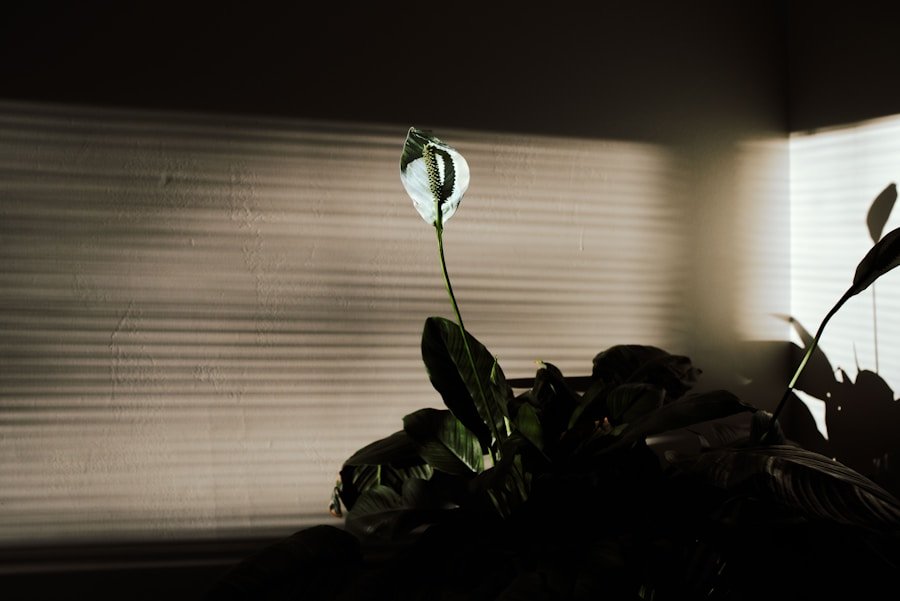

Indoor gardening, also known as houseplant cultivation, has a rich and diverse history that dates back to ancient times. In ancient Egypt, for example, wealthy citizens would often have elaborate gardens within their homes, complete with exotic plants and flowers. The Romans also had a tradition of indoor gardening, with wealthy families creating lush, green spaces within their homes as a sign of wealth and status. Throughout the Middle Ages, indoor gardening became more common among the European nobility, with elaborate gardens and conservatories being built within castles and manor houses.
In the modern era, indoor gardening has become increasingly popular as people seek to bring a touch of nature into their homes. With the rise of urban living and the decrease in outdoor space, many people have turned to indoor gardening as a way to connect with nature and create a peaceful, green oasis within their homes. Today, indoor gardening has evolved to include a wide variety of plants and flowers, with enthusiasts experimenting with different growing techniques and styles to create stunning indoor gardens.
The Psychological Benefits of Houseplant Flowers: A Look at the Impact on Mental Health
The presence of houseplant flowers in the home has been shown to have a positive impact on mental health. Studies have found that being surrounded by plants and flowers can reduce stress, anxiety, and depression, and improve overall mood and well-being. The act of caring for houseplant flowers can also provide a sense of purpose and accomplishment, which can be particularly beneficial for those struggling with mental health issues.
In addition to the psychological benefits, houseplant flowers can also improve air quality by removing toxins and pollutants from the air. This can have a direct impact on physical health, as cleaner air can lead to better respiratory function and overall well-being. The presence of houseplant flowers in the home can also create a sense of calm and tranquility, providing a peaceful retreat from the stresses of daily life.
Understanding the Symbolism of Different Houseplant Flowers: What Each Flower Represents
Houseplant flowers have long been associated with symbolism and meaning, with different flowers representing different emotions and qualities. For example, the rose is often associated with love and romance, while the lily is seen as a symbol of purity and innocence. Understanding the symbolism of different houseplant flowers can help people choose the right flowers for their homes based on the emotions and qualities they wish to evoke.
In addition to their symbolic meanings, houseplant flowers are also often used in traditional medicine and healing practices. For example, lavender is known for its calming properties and is often used in aromatherapy to promote relaxation and sleep. Similarly, chamomile is used for its soothing effects and is often brewed into a tea to help calm the nerves and aid in digestion. By understanding the symbolism and healing properties of different houseplant flowers, people can harness their power to create a harmonious and healing environment within their homes.
The Art of Arranging Houseplant Flowers: Tips for Creating Beautiful Indoor Gardens
Arranging houseplant flowers is an art form that requires careful consideration of color, texture, and form. When creating indoor gardens, it’s important to consider the overall aesthetic of the space and choose flowers that complement the existing decor. Mixing different types of flowers can create a dynamic and visually interesting display, while sticking to a single type of flower can create a sense of harmony and cohesion.
In addition to choosing the right flowers, it’s important to consider the containers in which they will be arranged. Different types of containers can create different visual effects, with glass vases providing a modern and sleek look, while terracotta pots can create a more rustic and natural feel. When arranging houseplant flowers, it’s also important to consider the lighting and temperature of the space, as different flowers have different requirements for optimal growth and blooming.
The Role of Houseplant Flowers in Feng Shui and Other Cultural Practices
In many cultures, houseplant flowers play an important role in traditional practices such as Feng Shui. In Feng Shui, the placement of houseplant flowers within the home is believed to have a direct impact on the flow of energy, or “chi,” within the space. By strategically placing flowers in certain areas of the home, it’s believed that one can create a harmonious and balanced environment that promotes health, prosperity, and well-being.
In addition to Feng Shui, houseplant flowers are also used in other cultural practices around the world. In Japan, for example, the art of flower arranging, or Ikebana, is a highly respected tradition that emphasizes harmony, balance, and simplicity. In India, houseplant flowers are often used in religious ceremonies and rituals as offerings to deities. By understanding the role of houseplant flowers in different cultural practices, people can gain a deeper appreciation for their beauty and significance.
Common Mistakes to Avoid When Caring for Houseplant Flowers: How to Keep Them Healthy and Vibrant
Caring for houseplant flowers requires attention to detail and a good understanding of their specific needs. One common mistake people make when caring for houseplant flowers is overwatering them. While it’s important to keep plants hydrated, overwatering can lead to root rot and other issues that can harm the plant. It’s important to water houseplant flowers only when the soil is dry to the touch, and to ensure that excess water can drain away from the roots.
Another common mistake is not providing enough light for houseplant flowers. Different types of flowers have different light requirements, with some needing full sun while others prefer shade. It’s important to research the specific needs of each type of flower and place them in an area of the home that receives the appropriate amount of light. Additionally, it’s important to regularly clean the leaves of houseplant flowers to remove dust and debris that can block sunlight and hinder photosynthesis.
The Future of Indoor Gardening: Trends and Innovations in Houseplant Flower Cultivation
As indoor gardening continues to grow in popularity, new trends and innovations are emerging that are shaping the future of houseplant flower cultivation. One trend that has gained traction in recent years is the use of sustainable growing practices such as hydroponics and aquaponics. These methods allow people to grow houseplant flowers without soil, using nutrient-rich water instead. This not only saves space but also conserves water and reduces environmental impact.
Another trend in indoor gardening is the use of technology to monitor and care for houseplant flowers. Smart planters equipped with sensors can monitor soil moisture levels, light exposure, and temperature, sending alerts to users when adjustments are needed. This allows people to care for their houseplant flowers more effectively and ensures that they receive the optimal conditions for growth and blooming.
In conclusion, indoor gardening has a long history that spans across cultures and time periods. Houseplant flowers not only provide psychological benefits but also carry deep symbolic meanings in various cultural practices. By understanding how to care for houseplant flowers properly and avoiding common mistakes, people can create beautiful indoor gardens that promote health and well-being. As technology continues to advance, new trends and innovations are shaping the future of indoor gardening, offering exciting possibilities for cultivating houseplant flowers in innovative ways.