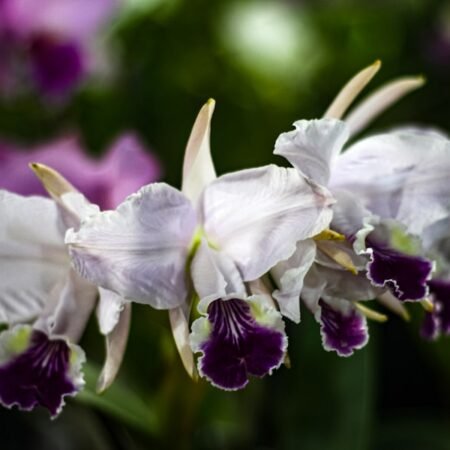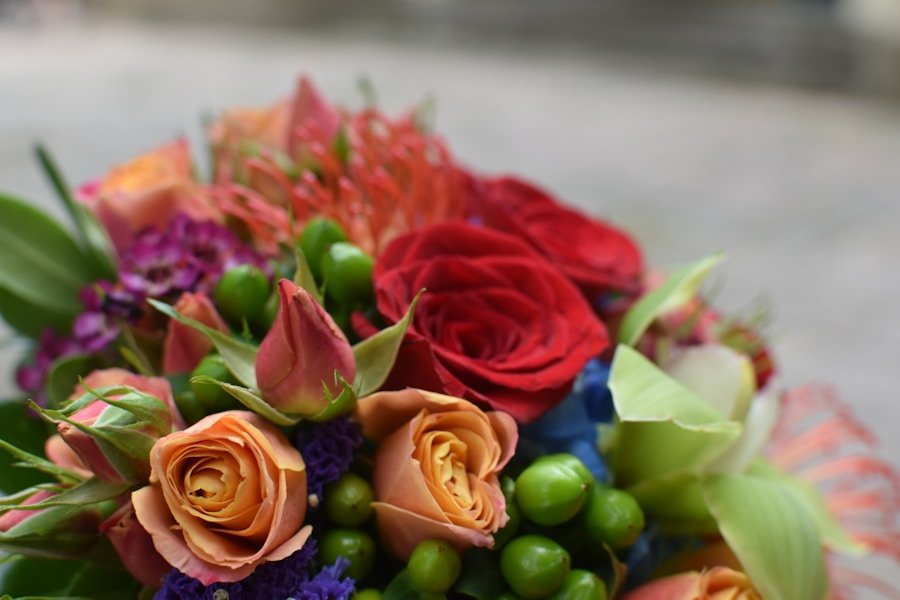

Flower colour psychology is the study of how different colours of flowers can impact human emotions, moods, and behaviors. It is a fascinating field that has been studied for centuries, with different cultures and traditions attributing various meanings and symbolism to different flower colours. The psychology of flower colours is not only important in the context of aesthetics and design, but it also plays a significant role in the way we perceive and interact with the natural world around us. Understanding the psychological impact of flower colours can help us make informed choices when it comes to selecting flowers for various occasions, whether it’s for a wedding, a funeral, or simply to brighten up our living spaces.
The Symbolism of Spring Flower Colours
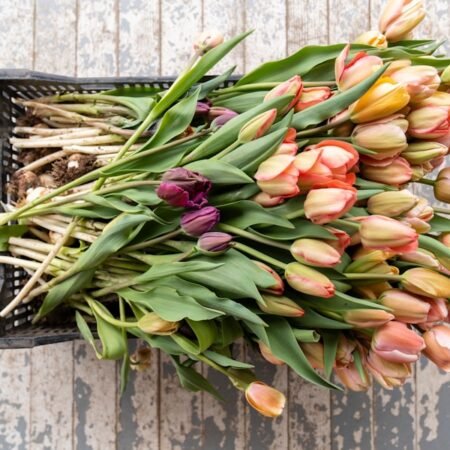
Spring is a season of renewal, growth, and new beginnings, and the colours of spring flowers reflect these themes. The vibrant hues of spring flowers such as daffodils, tulips, and hyacinths are often associated with joy, happiness, and optimism. Yellow flowers, in particular, are often seen as symbols of friendship and positivity, while pink flowers are associated with love and gratitude. The delicate pastel shades of spring blooms can evoke feelings of innocence and purity, making them popular choices for weddings and other special occasions. In addition to their aesthetic appeal, spring flowers also have a symbolic significance in many cultures, with certain flowers being used to convey specific messages or emotions.
The Vibrant Hues of Summer Flowers
Summer is a season of warmth, energy, and abundance, and the colours of summer flowers reflect these qualities. Bright and vibrant hues such as red, orange, and purple are commonly associated with summer blooms like roses, sunflowers, and zinnias. These bold colours can evoke feelings of passion, excitement, and vitality, making them popular choices for romantic gestures and celebratory events. The fiery tones of summer flowers can also symbolize strength and determination, making them fitting choices for occasions that call for resilience and perseverance. In addition to their symbolic meanings, the vibrant colours of summer flowers can also have a powerful impact on our mood and emotions, lifting our spirits and energizing our surroundings.
The Warm and Earthy Tones of Autumn Blooms
Autumn is a season of transition, reflection, and introspection, and the colours of autumn blooms reflect these themes. Warm and earthy tones such as orange, brown, and deep red are commonly associated with autumn flowers like chrysanthemums, dahlias, and marigolds. These rich colours can evoke feelings of comfort, stability, and grounding, making them popular choices for fall weddings and seasonal decorations. The earthy hues of autumn blooms can also symbolize resilience and endurance, reflecting the natural cycle of life and the changing seasons. In addition to their symbolic meanings, the warm and earthy tones of autumn flowers can create a sense of coziness and warmth in our living spaces, making them perfect for adding a touch of seasonal charm to our homes.
The Cool and Serene Shades of Winter Flowers
Winter is a season of stillness, tranquility, and reflection, and the colours of winter flowers reflect these qualities. Cool and serene shades such as white, blue, and silver are commonly associated with winter blooms like poinsettias, amaryllis, and snowdrops. These calming colours can evoke feelings of peace, purity, and serenity, making them popular choices for holiday decorations and winter weddings. The cool tones of winter flowers can also symbolize hope and renewal, reflecting the promise of new beginnings that comes with the start of a new year. In addition to their symbolic meanings, the cool and serene shades of winter flowers can create a sense of calm and relaxation in our living spaces, making them perfect for adding a touch of seasonal tranquility to our homes.
How Flower Colour Psychology Impacts Mood and Emotions
The psychology of flower colours has a profound impact on our mood and emotions, influencing the way we perceive and interact with the natural world around us. Different colours can evoke different emotional responses, with warm tones like red and orange often associated with energy and passion, while cool tones like blue and green are linked to feelings of calmness and tranquility. Understanding the psychological impact of flower colours can help us make informed choices when it comes to selecting flowers for various occasions, whether it’s to convey a specific message or to create a certain atmosphere. By incorporating flower colour psychology into our daily lives, we can harness the power of colour to enhance our well-being and create meaningful connections with the natural world.
Incorporating Flower Colour Psychology into Home and Garden Design
Incorporating flower colour psychology into home and garden design can have a transformative effect on our living spaces, creating a harmonious environment that reflects our personal style and enhances our well-being. By carefully selecting flowers in different colours, we can create a sense of balance and harmony in our homes, whether it’s through vibrant summer blooms that energize our living spaces or cool winter flowers that bring a sense of calmness and tranquility. In addition to their aesthetic appeal, flowers can also be used to convey specific messages or emotions in different areas of our homes, whether it’s to create a romantic atmosphere in the bedroom or to add a touch of warmth to the dining room. By understanding the psychological impact of flower colours, we can use the power of colour to create meaningful connections with nature and enhance our overall quality of life.
In conclusion, flower colour psychology is a fascinating field that has a profound impact on our mood, emotions, and well-being. By understanding the symbolic meanings and psychological effects of different flower colours, we can make informed choices when it comes to selecting flowers for various occasions and incorporate flower colour psychology into our home and garden design to create harmonious living spaces that reflect our personal style and enhance our overall quality of life. Whether it’s the vibrant hues of summer flowers or the cool shades of winter blooms, the psychology of flower colours offers endless possibilities for creating meaningful connections with nature and harnessing the power of colour to enrich our lives.