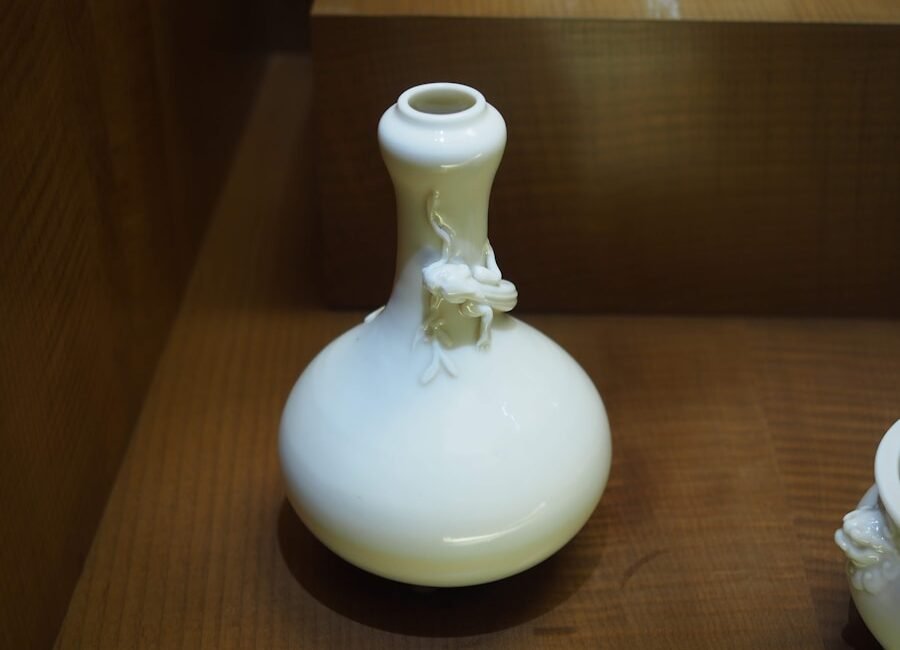

Minimalist flower arranging is a modern and elegant approach to floral design that focuses on simplicity, balance, and the natural beauty of individual blooms. This style of floral design emphasizes the use of negative space, clean lines, and a limited color palette to create striking and impactful arrangements. Minimalist flower arranging is a departure from the traditional, lush, and overflowing bouquets commonly associated with floral design, and instead, it celebrates the beauty of restraint and simplicity. This approach to floral design is perfect for those who appreciate clean, modern aesthetics and want to bring a touch of nature into their living spaces in a subtle and sophisticated way.
Embracing Simplicity in Floral Design
Minimalist flower arranging is all about embracing simplicity in floral design. Instead of using an abundance of different flowers and foliage, minimalist arrangements typically feature just a few carefully chosen blooms or even a single stem. By focusing on a limited number of elements, minimalist arrangements allow each individual flower to shine and make a statement. This approach also allows for a greater appreciation of the natural beauty of each bloom, as there are no distractions from the simplicity of the design. Embracing simplicity in floral design also means paying attention to the vessel or container used for the arrangement, as well as the overall composition and balance of the design.
The Beauty of Seasonal Single-Stem Arrangements
One of the most beautiful aspects of minimalist flower arranging is the focus on seasonal single-stem arrangements. By using just a single stem or a few carefully chosen blooms, minimalist arrangements can highlight the unique beauty of each flower and celebrate the changing seasons. For example, in the spring, a single stem of cherry blossoms or peonies can create a stunning and impactful arrangement that captures the essence of the season. In the summer, a few stems of delicate wildflowers or sunflowers can bring a touch of natural beauty into any space. By embracing seasonal single-stem arrangements, minimalist flower arranging allows for a deeper connection to nature and the ever-changing beauty of the natural world.
Choosing the Right Vessel for Minimalist Arrangements
When it comes to minimalist flower arranging, choosing the right vessel or container for your arrangement is crucial. The vessel should complement the simplicity and elegance of the flowers, while also providing a sense of balance and harmony to the overall design. Simple, clean-lined vessels such as glass vases, ceramic pots, or metal containers are often used in minimalist arrangements to create a modern and sophisticated look. The size and shape of the vessel should also be considered when creating a minimalist arrangement, as it can greatly impact the overall composition and balance of the design. By choosing the right vessel for your minimalist arrangement, you can enhance the natural beauty of the flowers and create a striking and impactful display.
Tips for Selecting and Arranging Minimalist Flowers
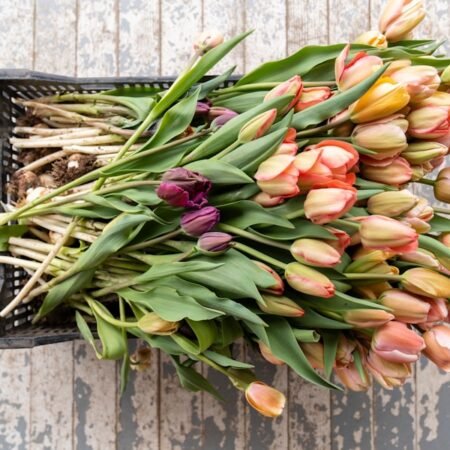
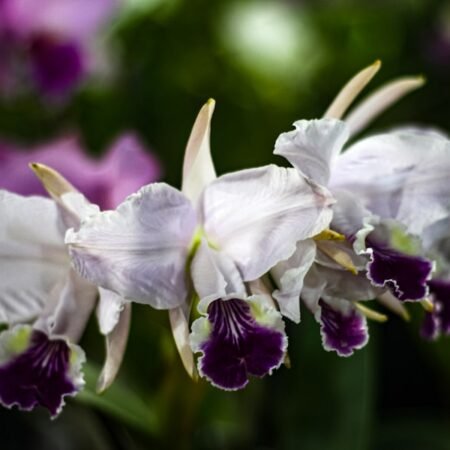
When selecting flowers for a minimalist arrangement, it’s important to choose blooms that are visually striking and have a strong presence on their own. Look for flowers with interesting shapes, textures, and colors that will stand out in a simple arrangement. Roses, lilies, orchids, tulips, and calla lilies are all popular choices for minimalist flower arranging due to their elegant and impactful appearance. When arranging minimalist flowers, it’s important to pay attention to balance and negative space. Each bloom should be carefully placed to create a sense of harmony and visual interest within the arrangement. Additionally, consider using different heights and angles to create depth and dimension in your minimalist arrangement.
Incorporating Greenery and Foliage in Minimalist Arrangements
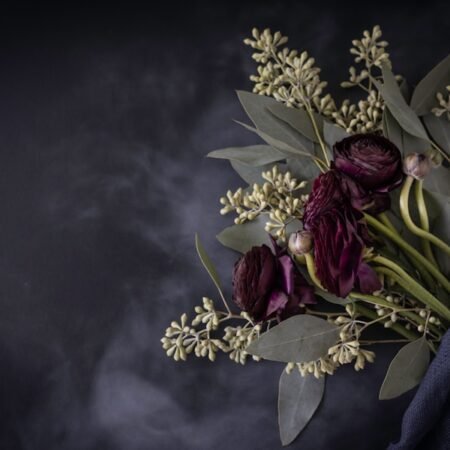
While minimalist flower arranging often focuses on a limited number of blooms, incorporating greenery and foliage can add depth and texture to the overall design. Simple, elegant foliage such as eucalyptus, ferns, or palm leaves can complement the beauty of the flowers and create a sense of balance within the arrangement. When using greenery in minimalist arrangements, it’s important to keep it minimal and understated to maintain the overall simplicity of the design. Consider using just a few carefully placed stems of foliage to add interest and enhance the natural beauty of the flowers without overwhelming the arrangement.
Embracing the Japanese Art of Ikebana in Minimalist Flower Arranging
The Japanese art of Ikebana is a traditional form of floral arranging that has greatly influenced minimalist flower arranging around the world. Ikebana emphasizes simplicity, balance, and harmony in floral design, and it often features just a few carefully chosen blooms arranged in a minimalistic and elegant manner. By embracing the principles of Ikebana in minimalist flower arranging, you can create arrangements that are not only visually striking but also deeply meaningful and reflective of nature’s beauty. Ikebana also encourages a deep connection to nature and an appreciation for the changing seasons, making it an ideal approach for those who want to bring a touch of tranquility and natural beauty into their living spaces through floral design.
In conclusion, minimalist flower arranging is a beautiful and elegant approach to floral design that celebrates simplicity, balance, and the natural beauty of individual blooms. By embracing seasonal single-stem arrangements, choosing the right vessel for your minimalist arrangement, selecting visually striking flowers, incorporating minimal greenery and foliage, and embracing the principles of Ikebana, you can create stunning and impactful minimalist arrangements that bring a touch of nature into any space in a subtle and sophisticated way. Whether you’re looking to add a modern touch to your home decor or create a meaningful floral display for a special occasion, minimalist flower arranging offers endless possibilities for creating beautiful and meaningful floral designs.

Other Articles

Unlocking the Power of Seasonal Symbolism in Mixed Bouquets