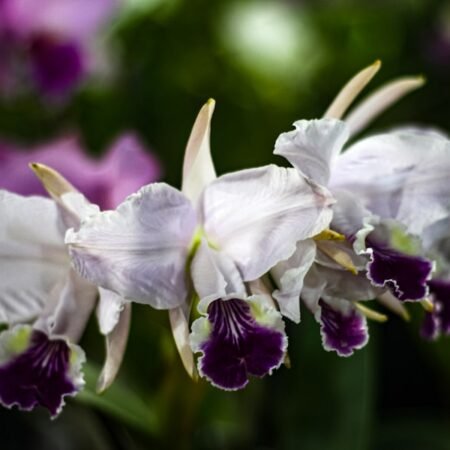

Drought-tolerant flowers are a great addition to any garden, especially in regions with hot and dry climates. These flowers have the ability to survive and thrive in conditions with minimal water, making them a low-maintenance and sustainable option for gardeners. Drought-tolerant flowers have adapted to survive in arid environments by developing deep root systems that can access water deep within the soil. Additionally, these flowers often have thick, waxy leaves that help to reduce water loss through transpiration. Understanding the characteristics of drought-tolerant flowers is essential for successful gardening in dry climates. By choosing the right flowers and providing proper care, gardeners can create a beautiful and sustainable garden that thrives even in the face of water scarcity.
Drought-tolerant flowers come in a wide variety of shapes, sizes, and colors, making them a versatile choice for any garden. From vibrant wildflowers to delicate succulents, there are countless options to choose from when selecting drought-tolerant flowers for your garden. These flowers are not only beautiful but also play a crucial role in supporting local ecosystems by providing food and habitat for pollinators and other wildlife. By understanding the unique characteristics of drought-tolerant flowers, gardeners can make informed decisions about which plants will thrive in their specific climate and soil conditions. With the right knowledge and care, drought-tolerant flowers can bring beauty and sustainability to any garden.
Choosing the Right Drought-Tolerant Flowers for Your Garden
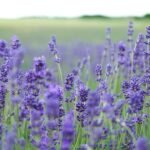
When choosing drought-tolerant flowers for your garden, it’s important to consider the specific climate and soil conditions in your area. Different flowers have varying levels of drought tolerance, so it’s essential to select plants that are well-suited to your local environment. Additionally, consider the amount of sunlight and shade in your garden, as this will also impact the types of flowers that will thrive. Some popular choices for drought-tolerant flowers include lavender, yarrow, coneflowers, and black-eyed Susans. These flowers are not only beautiful but also relatively low-maintenance, making them an excellent choice for gardens in dry climates.
In addition to considering the environmental factors, it’s also important to think about the aesthetic appeal of the flowers you choose. Drought-tolerant flowers come in a wide range of colors and shapes, so take the time to select plants that will complement the overall design of your garden. Whether you prefer bold and vibrant blooms or subtle and delicate petals, there are plenty of options to choose from when selecting drought-tolerant flowers. By carefully considering both the environmental and aesthetic factors, you can choose the right drought-tolerant flowers to create a stunning and sustainable garden.
Top 5 Drought-Tolerant Flowers for Australian Gardens
Australia is known for its hot and dry climate, making it essential for gardeners to choose drought-tolerant flowers that can thrive in these conditions. Some of the top drought-tolerant flowers for Australian gardens include kangaroo paw, grevillea, bottlebrush, banksia, and dianella. These native Australian plants have evolved to survive in arid environments and are well-suited to the country’s climate and soil conditions. Kangaroo paw, with its unique tubular flowers, is a striking addition to any garden and is highly drought-tolerant. Grevillea, with its vibrant blooms and attractive foliage, is another popular choice for Australian gardens. Bottlebrush, banksia, and dianella are also excellent options for adding color and texture to a drought-tolerant garden.
In addition to their ability to thrive in dry conditions, these native Australian plants also play an important role in supporting local ecosystems. Many of these flowers are attractive to native birds and pollinators, making them a valuable addition to any garden. By choosing native Australian drought-tolerant flowers, gardeners can create a beautiful and sustainable garden that supports local wildlife and conserves water.
Tips for Caring for Drought-Tolerant Flowers
While drought-tolerant flowers are well-adapted to survive in dry conditions, they still require some care to thrive in the garden. One of the most important aspects of caring for drought-tolerant flowers is providing proper drainage. These plants are susceptible to root rot if they are sitting in waterlogged soil, so it’s essential to ensure that the soil drains well. Additionally, it’s important to water newly planted drought-tolerant flowers regularly until they become established. Once established, these plants generally require minimal watering, but it’s still important to monitor soil moisture levels during periods of extreme drought.
Another key aspect of caring for drought-tolerant flowers is providing adequate mulch to help retain soil moisture. Mulch not only helps to conserve water but also suppresses weeds and insulates the soil from temperature fluctuations. Additionally, regular pruning and deadheading can help to promote healthy growth and prolong the blooming period of drought-tolerant flowers. By following these tips for caring for drought-tolerant flowers, gardeners can ensure that their plants remain healthy and vibrant even in challenging environmental conditions.
Designing a Drought-Tolerant Garden
Designing a drought-tolerant garden requires careful consideration of both the environmental factors and the aesthetic appeal of the plants. When planning a drought-tolerant garden, it’s important to select a variety of flowers with different colors, shapes, and textures to create visual interest. Grouping plants with similar water needs together can also help to conserve water and create a cohesive design. Additionally, consider incorporating hardscaping elements such as rocks, gravel, and pathways to add structure and visual appeal to the garden.
In addition to selecting the right plants and hardscaping elements, it’s important to consider the overall layout and flow of the garden. Creating focal points with tall or striking plants can help to draw the eye and create visual interest. Additionally, consider incorporating native Australian plants into the design to support local ecosystems and conserve water. By carefully planning the layout and design of a drought-tolerant garden, gardeners can create a beautiful and sustainable outdoor space that thrives even in dry conditions.
Benefits of Drought-Tolerant Flowers
Drought-tolerant flowers offer a wide range of benefits for both gardeners and the environment. One of the primary benefits of these plants is their ability to conserve water. By choosing drought-tolerant flowers for the garden, homeowners can reduce their water usage and create a more sustainable outdoor space. Additionally, these plants require minimal maintenance once established, making them a low-maintenance option for busy gardeners. Drought-tolerant flowers also play an important role in supporting local ecosystems by providing food and habitat for pollinators and other wildlife.
In addition to their environmental benefits, drought-tolerant flowers also offer aesthetic advantages for gardens. These plants come in a wide variety of colors, shapes, and sizes, making them a versatile choice for creating visually appealing outdoor spaces. Whether used as borders, focal points, or ground cover, drought-tolerant flowers can add beauty and interest to any garden. By choosing these plants for the garden, homeowners can create a stunning outdoor space that thrives even in challenging environmental conditions.
Creating a Sustainable Garden with Drought-Tolerant Flowers
Creating a sustainable garden with drought-tolerant flowers is not only beneficial for the environment but also offers numerous advantages for homeowners. By choosing plants that require minimal water and maintenance, homeowners can reduce their environmental impact while still enjoying a beautiful outdoor space. Additionally, creating a sustainable garden with drought-tolerant flowers can help to conserve water resources and support local ecosystems by providing food and habitat for wildlife.
In addition to their environmental benefits, sustainable gardens with drought-tolerant flowers also offer financial advantages for homeowners. By reducing water usage and maintenance costs, homeowners can save money on their utility bills while still enjoying a vibrant and attractive outdoor space. Furthermore, sustainable gardens with drought-tolerant flowers can increase property value by creating an appealing and low-maintenance landscape.
Overall, creating a sustainable garden with drought-tolerant flowers offers numerous benefits for both homeowners and the environment. By choosing these plants for the garden, homeowners can create a beautiful outdoor space that conserves water resources, supports local ecosystems, and reduces maintenance costs. With careful planning and proper care, sustainable gardens with drought-tolerant flowers can thrive even in challenging environmental conditions while providing beauty and enjoyment for years to come.