
Flowers have been used to convey messages and emotions for centuries, with each bloom carrying its own unique symbolism. This language of flowers, also known as floriography, was popularized during the Victorian era when it was considered improper to express one’s feelings openly. Instead, people would use flowers to communicate their sentiments, with each flower having its own specific meaning. For example, red roses symbolize love and passion, while daisies represent innocence and purity. Understanding the language of flowers can add depth and meaning to your floral gifts, allowing you to convey your emotions in a thoughtful and symbolic way.
In addition to their symbolic meanings, flowers also have the power to evoke specific emotions and moods. The vibrant colors and delicate fragrances of flowers can uplift and inspire, making them a powerful tool for emotional expression. By understanding the language of flowers, you can choose blooms that resonate with the recipient on a deeper level, creating a more meaningful and personal gift. Whether you’re celebrating a joyous occasion or offering comfort in a time of sorrow, the language of flowers can help you convey your sentiments in a beautiful and heartfelt way.
Choosing the Right Flowers for Different Occasions
When selecting flowers for a specific occasion, it’s important to consider the symbolism and meaning behind each bloom. For romantic gestures, red roses are a classic choice that symbolize love and passion. For a more lighthearted and playful sentiment, consider gifting a bouquet of daisies or sunflowers. If you’re looking to convey sympathy and support, white lilies or chrysanthemums are often used in funeral arrangements to symbolize purity and remembrance. By choosing the right flowers for different occasions, you can ensure that your floral gift is both appropriate and meaningful.
In addition to considering the symbolism of flowers, it’s also important to take into account the recipient’s personal preferences and tastes. Some people may have a favorite flower or color that holds special significance to them, making it an ideal choice for a personalized gift. By taking the time to consider the recipient’s individual preferences, you can create a floral arrangement that is truly tailored to their unique personality and style. Whether you’re celebrating a birthday, anniversary, or expressing condolences, choosing the right flowers for different occasions can help you create a thoughtful and meaningful gift that resonates with the recipient.
Symbolism of Popular Blooms
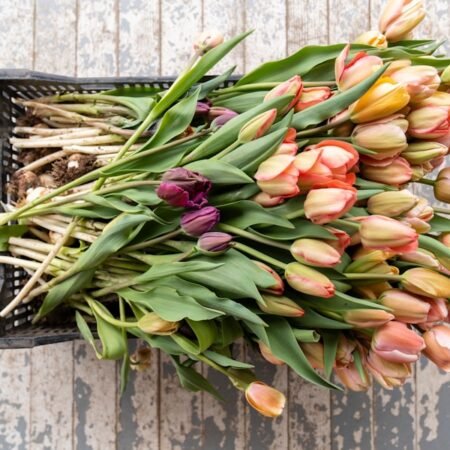
The symbolism of popular blooms can vary widely, with each flower carrying its own unique meaning and significance. Roses, for example, are often associated with love and romance, making them a popular choice for Valentine’s Day and anniversaries. Tulips are another popular bloom that symbolize perfect love and are often used to convey heartfelt sentiments. Lilies are often associated with purity and renewal, making them a popular choice for weddings and other joyous occasions. By understanding the symbolism of popular blooms, you can choose flowers that resonate with the recipient on a deeper level, creating a more meaningful and personal gift.
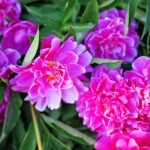
In addition to their symbolic meanings, popular blooms also have their own unique characteristics and qualities that make them stand out. Peonies, for example, are known for their lush and romantic appearance, making them a popular choice for wedding bouquets and romantic gestures. Sunflowers are known for their vibrant and cheerful appearance, symbolizing adoration and loyalty. By understanding the symbolism and qualities of popular blooms, you can choose flowers that not only convey your sentiments but also reflect the recipient’s personality and style. Whether you’re celebrating a joyous occasion or offering comfort in a time of sorrow, the symbolism of popular blooms can help you create a thoughtful and meaningful gift.
How to Personalize Your Floral Gift
Personalizing your floral gift is a thoughtful way to show the recipient that you’ve put thought and care into their present. One way to personalize your floral gift is by choosing blooms that hold special significance to the recipient. For example, if the recipient has a favorite flower or color, incorporating it into the arrangement can add a personal touch that shows you’ve taken their preferences into account. Another way to personalize your floral gift is by adding meaningful accessories or accents, such as a personalized ribbon or a sentimental keepsake. By adding these personal touches, you can create a floral gift that is truly tailored to the recipient’s unique personality and style.
Another way to personalize your floral gift is by considering the recipient’s lifestyle and interests. For example, if the recipient is an avid gardener, you could include a potted plant or seeds along with the floral arrangement. If they have a green thumb, they may appreciate the opportunity to nurture and care for their gift long after the flowers have faded. By considering the recipient’s lifestyle and interests, you can create a floral gift that not only conveys your sentiments but also reflects their individual passions and hobbies. Whether you’re celebrating a birthday, anniversary, or expressing condolences, personalizing your floral gift can help you create a thoughtful and meaningful present that resonates with the recipient.
Tips for Selecting the Perfect Arrangement
When selecting a floral arrangement, there are several factors to consider to ensure that you choose the perfect blooms for the occasion. One important factor to consider is the recipient’s personal preferences and tastes. Some people may have a favorite flower or color that holds special significance to them, making it an ideal choice for a personalized gift. By taking the time to consider the recipient’s individual preferences, you can create a floral arrangement that is truly tailored to their unique personality and style. Another factor to consider when selecting the perfect arrangement is the occasion itself. For romantic gestures, red roses are a classic choice that symbolize love and passion. For a more lighthearted and playful sentiment, consider gifting a bouquet of daisies or sunflowers.
In addition to considering the recipient’s preferences and the occasion, it’s also important to take into account the overall aesthetic of the arrangement. The size, shape, and color scheme of the arrangement should complement the recipient’s home decor and personal style. If you’re unsure of what type of arrangement would be best, consider consulting with a florist who can offer expert advice based on your specific needs and preferences. By taking these factors into consideration when selecting the perfect arrangement, you can ensure that your floral gift is both appropriate and meaningful.
Incorporating Flowers into Everyday Life
Incorporating flowers into everyday life can bring joy and beauty into your surroundings while also providing numerous health benefits. Studies have shown that being surrounded by flowers can reduce stress levels and improve overall mood and well-being. Whether it’s placing a vase of fresh blooms on your desk at work or adding potted plants to your home decor, incorporating flowers into everyday life can have a positive impact on your mental and emotional health. In addition to their mood-boosting properties, flowers also have the power to enhance creativity and productivity. The vibrant colors and delicate fragrances of flowers can inspire creativity and stimulate the senses, making them an ideal addition to any workspace or living environment.
Another way to incorporate flowers into everyday life is by using them as a means of self-care and relaxation. Taking the time to arrange fresh blooms in a vase or tending to potted plants can be a therapeutic and meditative practice that promotes mindfulness and self-care. Whether it’s taking a moment to appreciate the beauty of a single bloom or spending time nurturing your indoor garden, incorporating flowers into everyday life can provide moments of tranquility and peace in an otherwise hectic world. By incorporating flowers into everyday life, you can create an environment that is not only visually appealing but also promotes overall well-being and happiness.
The Art of Giving and Receiving Flowers
The act of giving and receiving flowers is steeped in tradition and symbolism, making it an art form in itself. When giving flowers as a gift, it’s important to consider the recipient’s tastes and preferences in order to create a meaningful and thoughtful present. Whether it’s choosing blooms that hold special significance to the recipient or personalizing the arrangement with meaningful accessories, taking the time to select the perfect floral gift shows that you’ve put thought and care into their present. On the other hand, receiving flowers is a gesture that should be met with gratitude and appreciation. Whether it’s expressing joy at receiving a beautiful bouquet or offering comfort in times of sorrow, receiving flowers is an opportunity to connect with others on an emotional level.
In addition to being a thoughtful gesture, giving and receiving flowers also has the power to strengthen relationships and foster connections between people. Whether it’s expressing love and affection through romantic gestures or offering support in times of need, flowers have the ability to convey emotions in a way that words often cannot. By understanding the art of giving and receiving flowers, you can create meaningful connections with others while also bringing joy and beauty into their lives. Whether it’s celebrating special occasions or simply expressing gratitude, giving and receiving flowers is an art form that has the power to uplift and inspire both the giver and recipient alike.
In conclusion, flowers have been used as a means of communication for centuries, with each bloom carrying its own unique symbolism and meaning. By understanding the language of flowers, you can convey your emotions in a thoughtful and symbolic way that resonates with the recipient on a deeper level. When selecting flowers for different occasions, it’s important to consider both their symbolic meanings as well as the recipient’s personal preferences in order to create a meaningful and personalized gift. Whether it’s incorporating flowers into everyday life or understanding the art of giving and receiving flowers, these beautiful blooms have the power to uplift spirits, strengthen relationships, and bring joy into our lives in countless ways.