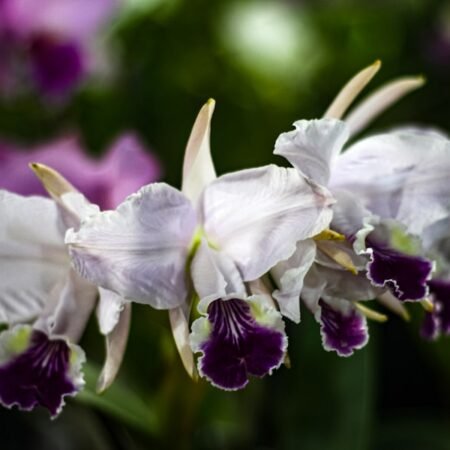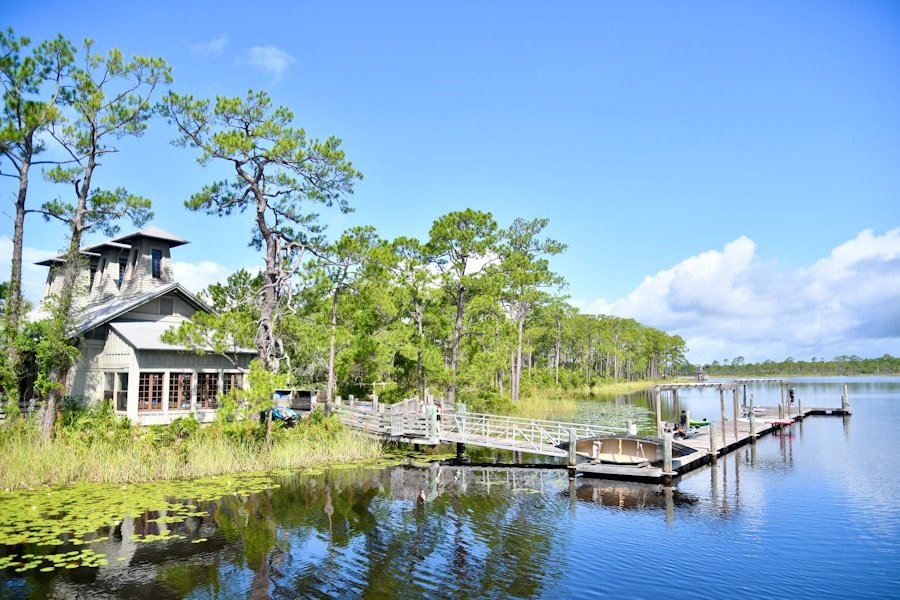

Coastal garden flowers are a beautiful and diverse group of plants that thrive in the unique conditions found along coastlines. These flowers are well-adapted to the salty air, sandy soil, and strong winds that are characteristic of coastal environments. They come in a wide range of colors, shapes, and sizes, making them a popular choice for gardeners looking to add a touch of natural beauty to their outdoor spaces. From vibrant daisies to delicate sea lavender, coastal garden flowers offer a stunning array of options for creating a picturesque seaside garden.
Coastal garden flowers are not only visually appealing, but they also play an important role in supporting local ecosystems. Many of these flowers are attractive to pollinators such as bees and butterflies, helping to promote biodiversity and contribute to the health of coastal habitats. Additionally, some coastal garden flowers are edible and have been used for centuries in traditional medicine and culinary practices. With their unique beauty and ecological significance, coastal garden flowers are a valuable addition to any garden or landscape.
The Symbolism of Coastal Garden Flowers
Coastal garden flowers have long been associated with symbolism and meaning, making them a popular choice for special occasions and celebrations. For example, the daisy is often seen as a symbol of innocence and purity, while the sea lavender is associated with tranquility and calm. These flowers have been used in various cultural traditions and ceremonies to convey messages of love, hope, and remembrance. In addition to their symbolic significance, coastal garden flowers are also prized for their ability to evoke a sense of nostalgia and connection to the natural world.
In many coastal communities, certain flowers hold special cultural or spiritual significance. For example, the California poppy is the state flower of California and is often used to symbolize the state’s natural beauty and resilience. Similarly, the hibiscus is a beloved flower in many Pacific Island cultures, where it is used in traditional ceremonies and celebrations. Whether used in bouquets, wreaths, or floral arrangements, coastal garden flowers carry with them a rich tapestry of symbolism and cultural meaning that adds depth and significance to any occasion.
Popular Coastal Garden Flowers
There are countless varieties of coastal garden flowers, each with its own unique characteristics and appeal. Some of the most popular coastal garden flowers include the beach rose, sea thrift, and beach morning glory. The beach rose, with its delicate pink blooms and sweet fragrance, is a favorite among gardeners for its hardy nature and ability to thrive in sandy soils. Sea thrift, also known as sea pink, is a charming perennial with clusters of pink or white flowers that add a pop of color to coastal landscapes. Beach morning glory is a fast-growing vine with showy white or pink flowers that bloom throughout the summer months, making it a popular choice for adding vertical interest to gardens.
In addition to these favorites, there are many other coastal garden flowers that are prized for their beauty and resilience. The sea holly, with its striking blue or purple thistle-like flowers, is a unique addition to any seaside garden. The sea lavender, with its clusters of tiny purple or pink flowers, is a popular choice for adding texture and color to coastal landscapes. Whether you prefer bold and vibrant blooms or delicate and understated flowers, there is a coastal garden flower to suit every taste and style.
The Importance of Coastal Garden Flowers
Coastal garden flowers play a crucial role in supporting local ecosystems and promoting biodiversity. Many of these flowers are attractive to pollinators such as bees, butterflies, and hummingbirds, helping to ensure the health and vitality of coastal habitats. In addition to their ecological significance, coastal garden flowers also contribute to the aesthetic beauty of coastal landscapes, adding color, texture, and fragrance to outdoor spaces. These flowers are often used in erosion control efforts, helping to stabilize sandy soils and prevent coastal erosion.
Furthermore, coastal garden flowers have cultural and historical significance in many coastal communities around the world. They have been used for centuries in traditional medicine, culinary practices, and cultural ceremonies, making them an integral part of local heritage and identity. By preserving and promoting the cultivation of coastal garden flowers, we can help to ensure the continued vitality of these important plants and the ecosystems they support.
How to Incorporate Coastal Garden Flowers into Your Landscape
Incorporating coastal garden flowers into your landscape is a wonderful way to add natural beauty and charm to your outdoor spaces. When selecting plants for your coastal garden, it’s important to consider the specific environmental conditions of your location, such as soil type, sun exposure, and wind exposure. Choose plants that are well-suited to these conditions and that will thrive in your particular microclimate.
When designing your coastal garden, consider using a mix of annuals, perennials, shrubs, and vines to create visual interest and variety. Planting in clusters or drifts can help to create a naturalistic look that mimics the wild beauty of coastal landscapes. Consider incorporating native coastal plants into your garden design to support local ecosystems and promote biodiversity.
In addition to planting directly in the ground, consider using containers or raised beds to grow coastal garden flowers in areas with poor soil or limited space. This can also help to control invasive plants and provide flexibility in your garden design. With careful planning and thoughtful selection of plants, you can create a stunning coastal garden that will bring joy and beauty to your outdoor spaces for years to come.
Coastal Garden Flower Festivals and Events
Coastal garden flower festivals and events are a wonderful way to celebrate the beauty and diversity of these special plants. These events often feature stunning displays of coastal garden flowers, as well as educational workshops, demonstrations, and activities for all ages. Visitors can learn about different varieties of coastal garden flowers, get tips on how to grow them at home, and purchase plants from local growers.
Many coastal communities host annual flower festivals that showcase the unique flora of their region. These events often include guided tours of local gardens, art exhibits inspired by coastal garden flowers, and live music performances. In addition to being a fun way to celebrate the natural beauty of coastal landscapes, these festivals also help to promote awareness of the importance of preserving native plants and supporting local ecosystems.
Attending a coastal garden flower festival or event is a great way to connect with fellow gardening enthusiasts and learn more about the rich cultural and ecological significance of these special plants. Whether you’re an experienced gardener or just starting out, these events offer a wealth of inspiration and information that can help you create a beautiful coastal garden at home.
Conservation Efforts for Coastal Garden Flowers
Conservation efforts for coastal garden flowers are crucial for preserving the natural beauty and ecological significance of these important plants. Many coastal garden flowers are at risk due to habitat loss, climate change, invasive species, and overharvesting. By supporting conservation initiatives and promoting sustainable gardening practices, we can help to protect these valuable plants for future generations.
One important way to support conservation efforts for coastal garden flowers is by choosing native plants for your garden. Native plants are well-adapted to local environmental conditions and provide important habitat for native wildlife. By planting native coastal garden flowers in your landscape, you can help to support local ecosystems and promote biodiversity.
In addition to planting native species, it’s important to avoid using harmful pesticides and herbicides that can harm beneficial insects and pollinators. Instead, consider using organic gardening practices that promote healthy soil and natural pest control methods. By creating a healthy and sustainable garden environment, you can help to support the long-term health of coastal garden flowers and the ecosystems they support.
Another way to support conservation efforts for coastal garden flowers is by getting involved in local restoration projects and community gardening initiatives. Many organizations work to restore degraded coastal habitats by planting native plants and removing invasive species. By volunteering your time or donating resources to these efforts, you can make a meaningful contribution to the conservation of coastal garden flowers in your area.
In conclusion, coastal garden flowers are not only beautiful additions to our landscapes but also play an important role in supporting local ecosystems and preserving cultural heritage. By learning about the symbolism of these special plants, exploring popular varieties, understanding their ecological importance, incorporating them into our landscapes, celebrating them at festivals and events, and supporting conservation efforts for their preservation – we can ensure that these valuable plants continue to thrive for generations to come. Whether you live near the coast or simply appreciate the natural beauty of these plants, there are many ways to connect with coastal garden flowers and contribute to their conservation. By working together to protect these special plants, we can help ensure that they continue to bring joy and inspiration to our lives for years to come.