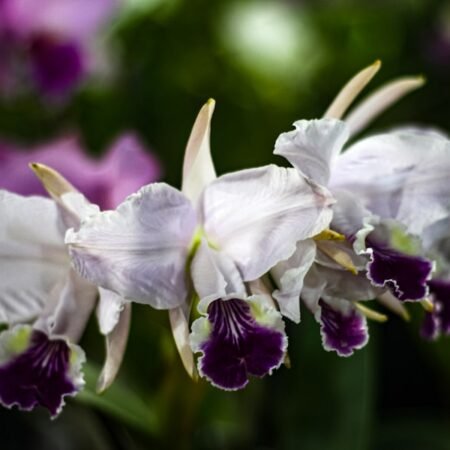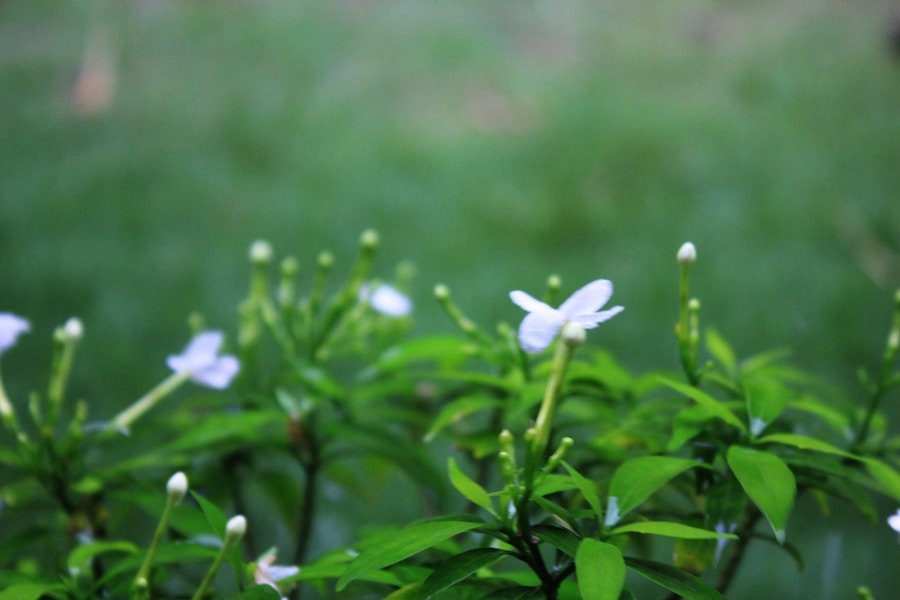

White flowers hold a special significance in various cultures and traditions around the world. In many Eastern cultures, white flowers are often associated with purity, spirituality, and enlightenment. In Hinduism, for example, white flowers are used in religious ceremonies and offerings to symbolize purity and devotion. In Japan, white flowers such as cherry blossoms and chrysanthemums are revered for their beauty and are often used in traditional tea ceremonies and as symbols of purity and simplicity.
In Western cultures, white flowers are often associated with innocence, purity, and new beginnings. They are commonly used in weddings to symbolize the purity of the bride and the beginning of a new chapter in the couple’s lives. In Christianity, white flowers are often used in religious ceremonies and decorations to symbolize purity, peace, and the divine presence. Overall, the significance of white flowers in different cultures and traditions is deeply rooted in their symbolism of purity, spirituality, and new beginnings.
The symbolism of peace and purity associated with white flowers
White flowers have long been associated with peace and purity due to their pristine color and delicate appearance. The color white is often seen as a symbol of peace and tranquility, and white flowers embody these qualities in their purest form. The symbolism of peace and purity associated with white flowers is evident in various cultural and religious practices around the world.
In many spiritual traditions, white flowers are used as offerings to deities or as symbols of purity and enlightenment. In Buddhism, for example, the lotus flower is revered for its purity and is often used as a symbol of enlightenment and spiritual awakening. In Christianity, white lilies are commonly used in religious ceremonies to symbolize the purity and innocence of the Virgin Mary. Overall, the symbolism of peace and purity associated with white flowers is deeply ingrained in their delicate beauty and pristine color.
How white flowers are used in various ceremonies and rituals to promote peace
White flowers are often used in various ceremonies and rituals to promote peace and tranquility. In many cultures, white flowers are used as offerings to deities or as symbols of purity and devotion. In Hinduism, for example, white flowers such as jasmine and lotus are commonly used in religious ceremonies to honor deities and promote peace and spiritual harmony.
In Western cultures, white flowers are often used in weddings and funerals to symbolize purity, innocence, and new beginnings. White roses, lilies, and orchids are popular choices for wedding bouquets and decorations, while white lilies are commonly used in funeral arrangements to symbolize the purity of the departed soul. Overall, the use of white flowers in various ceremonies and rituals serves to promote peace, purity, and spiritual harmony.
The role of white flowers in promoting tranquility and calmness in a space
White flowers play a significant role in promoting tranquility and calmness in a space due to their serene color and delicate fragrance. The color white is often associated with peace and tranquility, and white flowers embody these qualities in their purest form. When used in interior decor or as part of a floral arrangement, white flowers can create a sense of serenity and calmness in a space.
In Feng Shui, the ancient Chinese art of harmonizing energy in a space, white flowers are often used to promote peace and tranquility. The delicate beauty of white flowers can help create a sense of balance and harmony in a room, making it an ideal choice for meditation spaces or areas where relaxation is desired. Overall, the role of white flowers in promoting tranquility and calmness in a space is evident in their serene color and delicate fragrance.
The connection between white flowers and the changing seasons
White flowers are often associated with the changing seasons, particularly spring and winter. In spring, white flowers such as cherry blossoms, magnolias, and daisies bloom to signal the arrival of a new season and the renewal of life. The pristine beauty of white flowers against the backdrop of green foliage symbolizes the freshness and purity of spring.
In winter, white flowers such as snowdrops, hellebores, and camellias bloom to bring a sense of serenity and calmness to the cold winter landscape. The delicate beauty of white flowers against the snow-covered ground creates a peaceful and tranquil atmosphere, making them a popular choice for winter gardens and floral arrangements. Overall, the connection between white flowers and the changing seasons is evident in their ability to symbolize the renewal of life in spring and bring a sense of serenity to the winter landscape.
White flowers as a symbol of hope and new beginnings
White flowers are often seen as a symbol of hope and new beginnings due to their pristine color and delicate beauty. In many cultures, white flowers are used to symbolize purity, innocence, and the beginning of a new chapter in life. In weddings, for example, white flowers are commonly used to symbolize the purity of the bride and the beginning of a new life together.
In times of grief or hardship, white flowers can also serve as a symbol of hope and renewal. The delicate beauty of white flowers can bring a sense of serenity and calmness to those who are grieving, offering a glimmer of hope in difficult times. Overall, white flowers serve as a powerful symbol of hope and new beginnings due to their pristine color and delicate beauty.
Incorporating white flowers into your daily life to embrace peace and serenity
Incorporating white flowers into your daily life is a simple yet powerful way to embrace peace and serenity. Whether it’s through fresh floral arrangements, potted plants, or dried flower petals, white flowers can bring a sense of tranquility and calmness to any space. Consider adding a vase of white roses or lilies to your home or office to create a serene atmosphere that promotes relaxation and harmony.
You can also incorporate white flowers into your daily routine by using them in aromatherapy or skincare products. Many essential oils derived from white flowers such as jasmine, gardenia, and tuberose are known for their calming and soothing properties. Incorporating these fragrances into your daily routine can help promote peace and serenity in your life. Overall, incorporating white flowers into your daily life is a simple yet effective way to embrace peace and serenity on a daily basis.
In conclusion, white flowers hold a special significance in various cultures and traditions around the world due to their symbolism of peace, purity, hope, and new beginnings. Whether used in ceremonies and rituals or incorporated into daily life, white flowers have the power to promote tranquility and calmness in any space. Their delicate beauty and serene color make them a timeless symbol of peace and serenity that transcends cultural boundaries. Embracing the symbolism of white flowers can bring a sense of harmony and balance to our lives, reminding us to seek peace amidst the chaos of everyday life.

Other Articles

Grevillea Flowers: A Seasonal Guide to Their Blooming Beauty