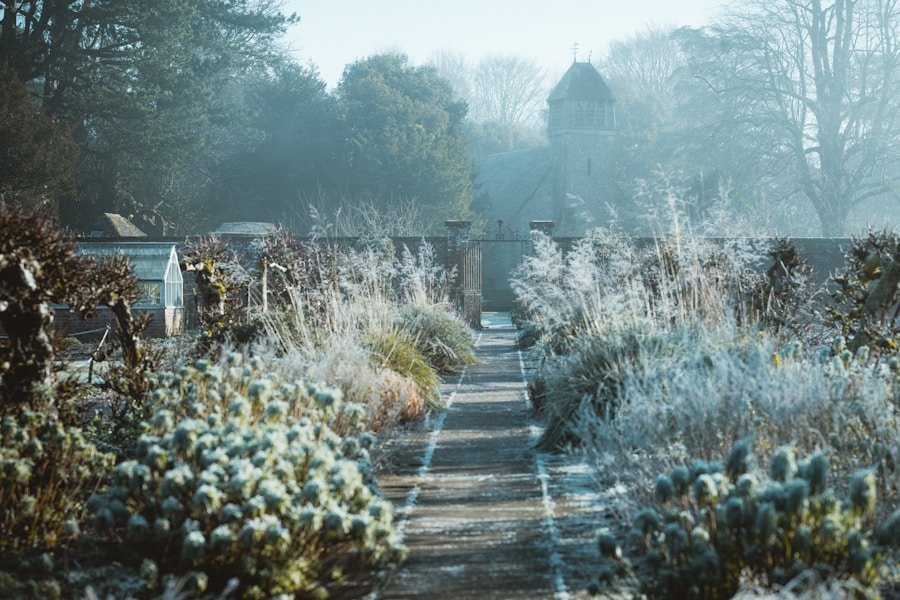

Hellebores, also known as the Winter Rose, have a rich and fascinating history that dates back thousands of years. The plant is native to Europe and Asia, and has been cultivated for its medicinal and ornamental properties since ancient times. The name “hellebore” is derived from the Greek word “elein,” which means “to injure,” and “bora,” which means “food.” This is a reference to the plant’s toxic properties, which were used in ancient times as a purgative and emetic. In Greek mythology, hellebores were believed to have been used by the sorceress Medea to poison Theseus. Despite its toxic nature, hellebores have also been used in traditional medicine to treat various ailments, including paralysis, gout, and insanity.
The cultivation of hellebores for ornamental purposes began in the Middle Ages, when the plant was prized for its early blooming flowers and evergreen foliage. It was often planted in monastery gardens and used in religious ceremonies. Hellebores were also believed to have protective properties, and were often planted near homes to ward off evil spirits. Today, hellebores are a popular choice for gardeners looking to add color and interest to their winter gardens, and are prized for their ability to thrive in shady, woodland settings.
The Unique Characteristics and Varieties of Hellebores
Hellebores are a diverse group of plants that belong to the Ranunculaceae family. There are approximately 20 species of hellebores, with countless hybrids and cultivars available to gardeners. One of the most distinctive features of hellebores is their unique flowers, which come in a wide range of colors, including white, pink, purple, green, and even black. The flowers are often nodding or drooping, and are surrounded by a ring of colorful sepals that resemble petals. Hellebores are also valued for their evergreen foliage, which provides year-round interest in the garden.
Some of the most popular varieties of hellebores include Helleborus orientalis, also known as the Lenten Rose, which is prized for its large, nodding flowers in shades of pink, purple, and white. Another popular variety is Helleborus niger, or the Christmas Rose, which produces pure white flowers in the winter months. Other notable species include Helleborus foetidus, or the Stinking Hellebore, which has distinctive green flowers and foliage with a foul odor when crushed. With so many varieties to choose from, there is a hellebore to suit every garden style and climate.
The Symbolism and Meaning of the Winter Rose
Hellebores have long been associated with symbolism and meaning in various cultures and traditions. In Christian folklore, the Christmas Rose is said to have bloomed in the snow as a gift from the Christ child to a young girl who had no gift to give him on his birthday. This legend has led to the belief that hellebores symbolize hope and new beginnings. In Victorian times, hellebores were often given as a token of affection and were believed to bring good luck and protection to the recipient.
In addition to their symbolic meanings, hellebores are also associated with various myths and legends. In Greek mythology, hellebores were said to have sprung from the tears of the goddess Persephone as she was being carried off to the underworld by Hades. This association with death and rebirth has led to the belief that hellebores symbolize transformation and renewal. In the language of flowers, hellebores are often associated with serenity and tranquility, making them a popular choice for sympathy bouquets and memorial gardens.
How to Care for and Grow Hellebores in Your Garden
Hellebores are relatively easy to grow and care for, making them a popular choice for gardeners of all skill levels. They prefer a shady or partially shaded location with well-drained soil that is rich in organic matter. Hellebores are also tolerant of a wide range of soil types, including clay and sandy soils. When planting hellebores, it is important to ensure that the crown of the plant is at or slightly above ground level to prevent rotting.
Hellebores are relatively low-maintenance plants that require minimal care once established. They are drought-tolerant once established, but will benefit from regular watering during dry spells. It is also important to mulch around the base of the plant to help retain moisture and suppress weeds. Hellebores do not require regular fertilization, but can benefit from a light application of balanced fertilizer in early spring. To promote healthy growth and flowering, it is important to remove any old or damaged foliage in late winter or early spring.
Using Hellebores in Floral Arrangements and Bouquets
Hellebores are a popular choice for floral arrangements and bouquets due to their long-lasting flowers and interesting foliage. The nodding flowers add a touch of elegance and whimsy to any arrangement, while the evergreen foliage provides a beautiful backdrop for other flowers. Hellebores can be used in both fresh and dried arrangements, making them a versatile choice for florists and home gardeners alike.
When using hellebores in floral arrangements, it is important to condition the stems properly to ensure maximum vase life. The stems should be cut at an angle and placed in warm water for several hours before arranging. Hellebores can be combined with other winter-blooming flowers such as snowdrops, cyclamen, and winter jasmine for a beautiful seasonal display. They also pair well with evergreen branches and berries for a festive holiday arrangement.
Hellebores in Folklore and Mythology
Hellebores have been featured in folklore and mythology for centuries, often with associations with magic and enchantment. In medieval Europe, hellebores were believed to have protective properties and were often planted near homes to ward off evil spirits. The plant was also used in various rituals and spells by witches and sorcerers. In Greek mythology, hellebores were said to have sprung from the tears of the goddess Persephone as she was being carried off to the underworld by Hades. This association with death and rebirth has led to the belief that hellebores symbolize transformation and renewal.
In addition to their associations with magic and enchantment, hellebores have also been used in traditional medicine for centuries. The plant was believed to have purgative and emetic properties, and was used to treat various ailments including paralysis, gout, and insanity. Despite its toxic nature, hellebores have also been used as an ornamental plant since ancient times, prized for its early blooming flowers and evergreen foliage.
The Enchanting Beauty of Hellebores: Capturing the Magic in Art and Photography
The enchanting beauty of hellebores has long been celebrated in art and photography. The unique flowers and foliage make them a popular subject for artists and photographers looking to capture the magic of the winter garden. Hellebores have been featured in paintings, drawings, and botanical illustrations for centuries, often depicted in lush woodland settings or paired with other winter-blooming flowers.
In addition to their popularity in traditional art forms, hellebores have also become a popular subject for photographers looking to capture their delicate beauty on film. The nodding flowers and intricate details make them a challenging yet rewarding subject for photographers looking to capture the essence of the winter garden. Whether depicted in a still life arrangement or captured in their natural woodland habitat, hellebores continue to inspire artists and photographers alike with their enchanting beauty.
In conclusion, hellebores are a fascinating group of plants with a rich history and diverse symbolism. From their origins in ancient medicine and folklore to their popularity as ornamental plants today, hellebores continue to captivate gardeners, artists, and storytellers alike with their enchanting beauty and magical associations. Whether grown in the garden or featured in art and photography, hellebores are sure to bring joy and inspiration to all who encounter them.