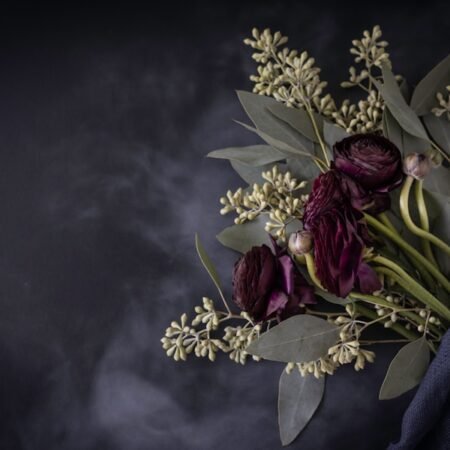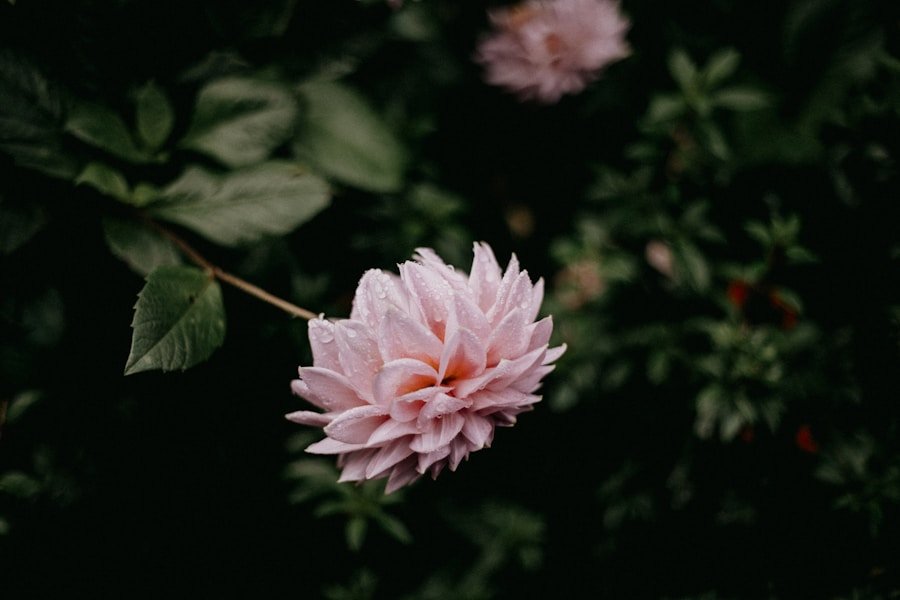

Black and near-black flowers are a unique and intriguing addition to any garden or floral arrangement. These dark blooms stand out among the more common, brightly colored flowers, adding a sense of mystery and drama to any setting. While black flowers are not truly black in the traditional sense, they are often a deep, dark shade that appears almost black to the naked eye. Near-black flowers, on the other hand, may have a hint of another color, such as deep purple or maroon, but still give off a dark and moody vibe. These flowers are not only visually striking, but they also hold symbolic and cultural meanings that have been recognized for centuries. In this article, we will explore the symbolism and cultural meanings of black and near-black flowers, the botanical science behind their unique coloration, popular varieties, and how to incorporate them into your garden. We will also delve into their presence in art and literature, as well as conservation and preservation efforts to protect these rare and beautiful blooms.
Symbolism and Cultural Meanings of Black and Near-Black Flowers
Black and near-black flowers have long been associated with mystery, elegance, and even death. In many cultures, black is a color that represents the unknown and the hidden, making black flowers a symbol of the mysterious and the enigmatic. In Victorian times, black flowers were often used in funerary arrangements to symbolize mourning and loss. However, in more modern times, black flowers have taken on a new meaning, representing rebellion, independence, and strength. Near-black flowers, with their deep, rich hues, are often associated with luxury and sophistication. In some cultures, they are seen as a symbol of power and wealth. In the language of flowers, or floriography, black flowers can convey a sense of farewell or a wish for a new beginning. They can also represent resilience and the ability to overcome challenges. Whether used in a bouquet or planted in a garden, black and near-black flowers carry with them a sense of depth and complexity that adds an air of mystery and allure to any setting.
The Botanical Science Behind Black and Near-Black Flowers
The dark coloration of black and near-black flowers is not due to the presence of black pigment, but rather to the absence of other pigments. The deep, dark hues are often the result of high concentrations of anthocyanins, which are water-soluble pigments that give plants their red, purple, and blue colors. In black flowers, these pigments are so concentrated that they appear almost black to the human eye. Additionally, some black flowers may also contain high levels of other pigments such as betalains or melanin, which contribute to their unique coloration. The genetic makeup of these flowers also plays a role in their coloration, with certain genes responsible for producing the enzymes that create these pigments in high concentrations. The environmental conditions in which the plants are grown can also affect the intensity of their coloration. Overall, the science behind black and near-black flowers is complex and fascinating, adding to their allure and mystique.
Popular Varieties of Black and Near-Black Flowers
There are several popular varieties of black and near-black flowers that are prized for their unique coloration and striking appearance. One of the most well-known black flowers is the Black Bat Flower (Tacca chantrieri), which features large, dark purple-black blooms with long whisker-like bracts that resemble bat wings. Another popular variety is the Black Hollyhock (Alcea rosea), which produces tall spikes of deep maroon to nearly black flowers that add drama to any garden. The Black Velvet Petunia (Petunia x hybrid) is another favorite, with its deep purple-black blooms that have a velvety texture. Near-black flowers include the Black Pearl Ornamental Pepper (Capsicum annuum), which produces small, round fruits that start out green before turning a deep purple-black as they ripen. The Black Magic Lily (Lilium ‘Black Magic’) is another stunning near-black flower with deep maroon petals that appear almost black in certain lighting. These are just a few examples of the many beautiful black and near-black flowers that can be incorporated into gardens or floral arrangements to add a touch of drama and elegance.
How to Incorporate Black and Near-Black Flowers in Your Garden
Incorporating black and near-black flowers into your garden can add a sense of drama and sophistication to your outdoor space. These dark blooms can be used as focal points in flower beds or borders, or mixed in with other brightly colored flowers for contrast. They can also be planted in containers or hanging baskets for a striking display on patios or balconies. When choosing companion plants for black and near-black flowers, consider using lighter-colored blooms such as white or pale pink to create a visually stunning contrast. Dark foliage plants such as purple basil or black mondo grass can also complement black flowers beautifully. When designing your garden with black and near-black flowers, consider the overall mood you want to create – whether it’s a sense of mystery and intrigue or an air of elegance and sophistication. With careful planning and thoughtful placement, these unique blooms can transform any garden into a captivating and enchanting space.
Black and Near-Black Flowers in Art and Literature
The allure of black and near-black flowers has not only captured the attention of gardeners and botanists but has also been a source of inspiration for artists and writers throughout history. In art, these dark blooms have been depicted in paintings, drawings, and sculptures as symbols of mystery, beauty, and even danger. In literature, black flowers have been used as metaphors for darkness, death, and the unknown. They have appeared in poetry, novels, and plays as powerful symbols that evoke a range of emotions and themes. From Shakespeare’s “dark lady” sonnets to contemporary works of fiction, black flowers have been woven into the fabric of storytelling as potent symbols that add depth and complexity to the narrative. In both art and literature, black and near-black flowers continue to captivate audiences with their enigmatic beauty and rich symbolism.
Conservation and Preservation Efforts for Black and Near-Black Flowers
As with many rare and unique plant species, black and near-black flowers face threats from habitat loss, climate change, and over-harvesting. Conservation efforts are underway to protect these special blooms from extinction and ensure their continued existence for future generations to enjoy. Botanical gardens, seed banks, and conservation organizations are working to preserve the genetic diversity of black and near-black flowers through seed collection, propagation, and habitat restoration. Efforts are also being made to raise awareness about the importance of preserving these plants and their natural habitats. By educating the public about the value of these rare blooms and the threats they face, conservationists hope to inspire action to protect them for years to come. Through these efforts, it is hoped that black and near-black flowers will continue to thrive in gardens around the world, adding their unique beauty and symbolism to our natural landscapes.
In conclusion, black and near-black flowers are not only visually stunning but also hold deep symbolic meanings that have captivated cultures throughout history. Their unique coloration is the result of complex botanical science that adds to their allure and mystique. With a wide variety of popular species available, incorporating these dark blooms into gardens or floral arrangements can add drama and sophistication to any setting. Their presence in art and literature further highlights their enduring appeal as symbols of mystery, beauty, and resilience. As conservation efforts continue to protect these rare blooms from extinction, it is hoped that they will continue to enchant future generations with their enigmatic beauty for years to come.