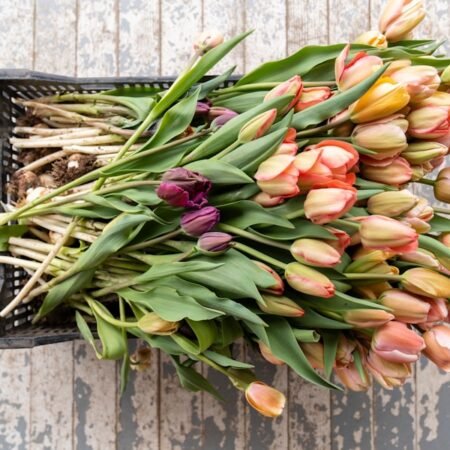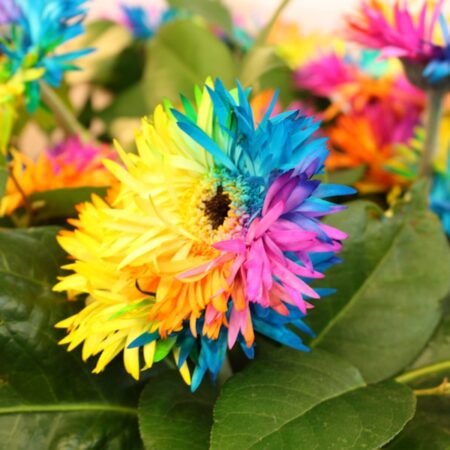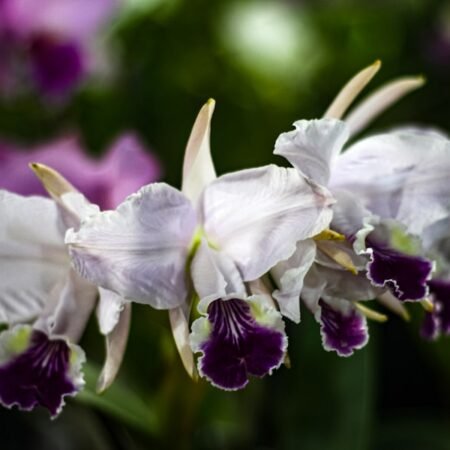

Bi-colour and striped flowers have a long and fascinating history that dates back to ancient times. The first recorded instance of bi-colour and striped flowers can be traced back to the 17th century, when Dutch botanists began experimenting with cross-breeding different varieties of flowers to create new and unique colour combinations. This led to the development of some of the most iconic bi-colour and striped flowers, such as the tulip and the carnation.
In the 19th century, bi-colour and striped flowers became increasingly popular in Europe, particularly in England, where they were used to adorn the gardens of the aristocracy. The Victorians were particularly fond of bi-colour and striped flowers, as they were seen as a symbol of wealth and sophistication. During this time, many new varieties of bi-colour and striped flowers were developed, including the popular petunia and pansy.
Today, bi-colour and striped flowers continue to be a popular choice for gardeners and florists alike, with new varieties being developed all the time. These unique and eye-catching flowers have a rich history and continue to be a beloved part of the floral world.
Cultural and Religious Symbolism of Bi-Colour and Striped Flowers
Bi-colour and striped flowers have long been associated with various cultural and religious symbolism. In many cultures, bi-colour and striped flowers are seen as a symbol of unity and harmony, as they bring together two different colours in one bloom. This has led to bi-colour and striped flowers being used in wedding bouquets and other celebrations as a representation of the coming together of two individuals or families.
In some religious traditions, bi-colour and striped flowers are seen as a symbol of balance and duality. The combination of two different colours in one flower is often seen as a representation of the balance between light and dark, good and evil, or male and female. This has led to bi-colour and striped flowers being used in religious ceremonies and rituals as a way to bring harmony and balance to the proceedings.
Overall, bi-colour and striped flowers hold a special place in many cultures and religions around the world, serving as a powerful symbol of unity, balance, and harmony.
The Science Behind Bi-Colour and Striped Flowers
The unique colours and patterns found in bi-colour and striped flowers are the result of genetic mutations that affect the production of pigments in the petals. These mutations can occur naturally or be induced through selective breeding, resulting in a wide variety of bi-colour and striped flowers with different patterns and combinations of colours.
One common genetic mutation that leads to bi-colour and striped flowers is known as “chimerism,” which occurs when two genetically distinct cell lines merge to form a single organism. This can result in flowers with distinct colour patterns, such as stripes or spots, as the different cell lines produce different pigments.
Another common genetic mutation that leads to bi-colour and striped flowers is known as “gene silencing,” which occurs when certain genes that control pigment production are turned off. This can result in flowers with distinct colour patterns, such as two-toned petals or variegated patterns.
Overall, the science behind bi-colour and striped flowers is complex and fascinating, with genetic mutations playing a key role in creating these unique and beautiful blooms.
Popular Bi-Colour and Striped Flowers and Their Meanings
There are many popular bi-colour and striped flowers that hold special meanings and symbolism. One of the most iconic bi-colour flowers is the tulip, which is often seen in red and white or purple and white varieties. In many cultures, the red and white tulip is seen as a symbol of true love and perfect harmony, making it a popular choice for weddings and romantic occasions.
Another popular bi-colour flower is the carnation, which comes in a wide variety of colours and patterns, including bi-colour and striped varieties. In many cultures, the carnation is seen as a symbol of love, admiration, and gratitude, making it a popular choice for Mother’s Day bouquets and other special occasions.
Other popular bi-colour and striped flowers include the petunia, pansy, and rose, each with its own unique meanings and symbolism. These beautiful blooms continue to be a beloved choice for gardeners and florists alike, thanks to their striking colours and rich cultural significance.
Bi-Colour and Striped Flowers in Art and Literature
Bi-colour and striped flowers have long been a popular subject in art and literature, thanks to their unique colours and patterns. In many paintings and drawings, bi-colour and striped flowers are used to create striking visual effects, with their bold colours and patterns drawing the viewer’s eye.
In literature, bi-colour and striped flowers are often used as symbols of duality or contrast, representing the complex nature of human emotions or relationships. For example, in Shakespeare’s “A Midsummer Night’s Dream,” the character Titania is described as wearing “a robe of white roses, pink carnations, violets, marigolds, daisies, lilies, mixed with bi-colour roses.” This use of bi-colour roses serves as a symbol of the character’s conflicting emotions and desires.
Overall, bi-colour and striped flowers have played a significant role in art and literature throughout history, serving as a powerful symbol of beauty, complexity, and contrast.
How to Use Bi-Colour and Striped Flowers in Floral Arrangements
Bi-colour and striped flowers can be used in a wide variety of floral arrangements to create stunning visual effects. One popular way to use bi-colour and striped flowers is to pair them with solid-coloured blooms in complementary shades. For example, pairing a bi-colour rose with a solid red or white rose can create a striking contrast that draws the eye.
Another popular way to use bi-colour and striped flowers is to create monochromatic arrangements using different shades of the same colour. For example, pairing a pink-and-white tulip with solid pink tulips can create a beautiful ombre effect that adds depth and dimension to the arrangement.
Bi-colour and striped flowers can also be used to create focal points in floral arrangements, thanks to their bold colours and patterns. Placing a single bi-colour or striped bloom at the center of an arrangement can draw attention to its unique beauty while complementing the surrounding blooms.
Overall, there are countless ways to use bi-colour and striped flowers in floral arrangements, making them a versatile choice for any occasion.
Growing and Caring for Bi-Colour and Striped Flowers
Growing bi-colour and striped flowers can be a rewarding experience for gardeners of all skill levels. Many popular bi-colour and striped flowers, such as petunias, pansies, and roses, are relatively easy to grow and care for, making them a great choice for beginners.
When growing bi-colour and striped flowers, it’s important to choose a location that receives plenty of sunlight, as most bi-colour flowers thrive in full sun. It’s also important to provide well-draining soil that is rich in organic matter to ensure healthy growth.
Caring for bi-colour and striped flowers involves regular watering, fertilizing, and pruning to promote healthy growth and abundant blooms. It’s also important to keep an eye out for pests and diseases that can affect bi-colour flowers, such as aphids or powdery mildew, and take appropriate measures to prevent or treat them.
Overall, growing bi-colour and striped flowers can be a fun and rewarding experience for gardeners who appreciate their unique beauty and cultural significance. With proper care and attention, these beautiful blooms can thrive in gardens around the world.