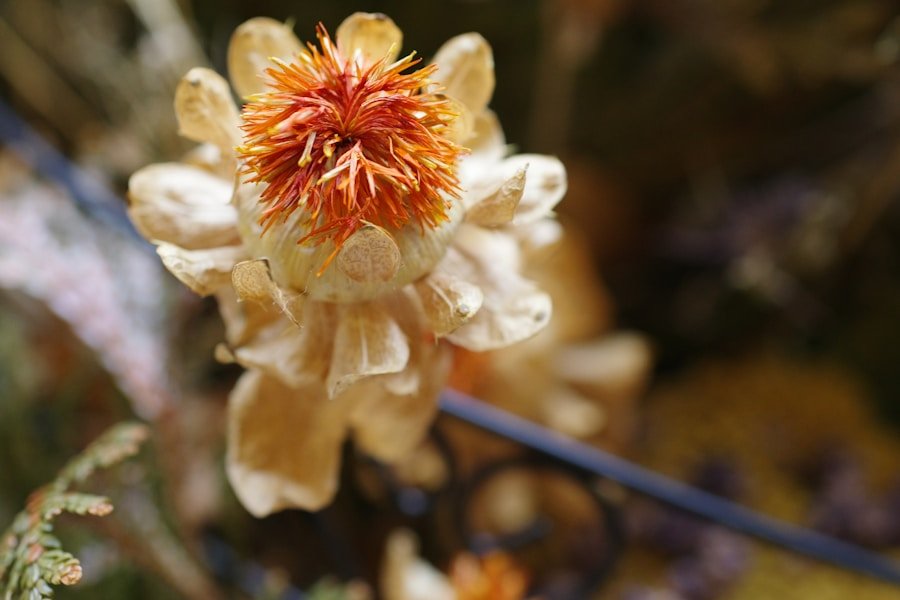

Begonia flowers have a rich and fascinating history that dates back to the 17th century. The first recorded mention of begonias was in 1690 when they were discovered by French botanist Charles Plumier during his travels to the West Indies. He named the flower after his friend Michel Bégon, who was the governor of the French colony of Santo Domingo. Begonias were later introduced to Europe, where they quickly gained popularity among gardeners and horticulturists.
In the 19th century, begonias became a symbol of wealth and status, as they were often featured in the gardens of the aristocracy. They were also prized for their unique and vibrant colors, which made them a favorite among artists and florists. Today, begonias are cultivated all over the world and are a beloved flower in many cultures. Their long and storied history has cemented their place as a timeless and cherished flower.
Begonias have also been the subject of much fascination and study among botanists and horticulturists. There are over 1,800 different species of begonias, each with its own unique characteristics and growing requirements. This diversity has made begonias a popular choice for gardeners and floral enthusiasts alike, as there is a begonia variety for every taste and preference.
The Different Types of Begonia Flowers
Begonia flowers come in a wide variety of shapes, sizes, and colors, making them a versatile and popular choice for gardens and floral arrangements. Some of the most common types of begonias include tuberous begonias, which produce large, showy flowers in a range of colors; rex begonias, which are known for their striking foliage and unique patterns; and cane begonias, which have tall, bamboo-like stems and clusters of delicate flowers.
Other popular types of begonias include rhizomatous begonias, which have thick, fleshy stems and colorful, asymmetrical leaves; and semperflorens begonias, which are often used as bedding plants due to their compact size and continuous blooming habit. With such a wide variety of begonia types to choose from, there is a begonia for every garden and floral arrangement.
In addition to their diverse appearances, begonias also have different growing requirements. Some varieties prefer bright, indirect light, while others thrive in shady conditions. Some begonias are more tolerant of dry soil, while others require consistently moist conditions. By understanding the specific needs of each type of begonia, gardeners can ensure that their plants thrive and produce beautiful flowers year after year.
The Symbolism of Begonia Flowers in Different Cultures
Begonia flowers have held various symbolic meanings in different cultures throughout history. In Victorian England, begonias were associated with fancifulness and individuality, making them a popular choice for gardens and floral arrangements. In some Asian cultures, begonias are seen as a symbol of harmony and balance, and are often used in traditional medicine to treat various ailments.
In many cultures, begonias are also associated with femininity and grace, making them a popular choice for gifts and special occasions. In some parts of the world, begonias are also seen as a symbol of protection and good luck, and are often used in rituals and ceremonies to bring about positive energy and blessings.
The symbolism of begonia flowers varies widely from culture to culture, but one thing is clear: these beautiful blooms have captured the hearts and imaginations of people all over the world for centuries. Whether used in religious ceremonies, as a token of love and affection, or simply as a decorative element in the home or garden, begonias hold a special place in the hearts of many.
The Language of Begonia Flowers: What Do They Represent?
In the language of flowers, also known as floriography, each type of flower carries its own unique meaning and symbolism. Begonia flowers are no exception, with different colors and varieties representing different sentiments and emotions. For example, red begonias are often associated with passion and romance, making them a popular choice for Valentine’s Day bouquets and gifts.
Pink begonias are often seen as a symbol of friendship and gratitude, making them a thoughtful choice for expressing appreciation or celebrating a special bond. White begonias are often associated with purity and innocence, making them a popular choice for weddings and other formal occasions. Yellow begonias are often seen as a symbol of happiness and joy, making them a cheerful choice for brightening up any space.
In addition to their color symbolism, different types of begonias also carry their own unique meanings. For example, tuberous begonias are often associated with elegance and sophistication, while rex begonias are seen as a symbol of creativity and individuality. By understanding the language of begonia flowers, individuals can choose the perfect variety and color to convey their desired sentiment or emotion.
How to Use Begonia Flowers in Floral Arrangements and Gardens
Begonia flowers are a versatile and beautiful addition to any floral arrangement or garden. Their wide range of colors and varieties makes them an ideal choice for adding interest and texture to bouquets, centerpieces, and other floral displays. Whether used on their own or combined with other flowers and foliage, begonias can add a pop of color and elegance to any arrangement.
In the garden, begonias can be used in a variety of ways to create stunning displays. Tuberous begonias are often used in hanging baskets or containers to create cascading displays of color, while semperflorens begonias are often used as bedding plants to create colorful borders or mass plantings. With their diverse growing requirements, there is a begonia variety for every garden style and climate.
When using begonias in floral arrangements or gardens, it is important to consider their specific growing requirements. Some varieties prefer shade or partial shade, while others thrive in full sun. Additionally, some types of begonias prefer moist soil, while others prefer drier conditions. By understanding the needs of each type of begonia, individuals can ensure that their plants thrive and produce beautiful flowers year after year.
The Secret Meanings of Begonia Flower Colors
The color of a flower can often convey more meaning than words ever could. Begonia flowers come in a wide range of colors, each carrying its own unique symbolism and sentiment. Red begonias are often associated with passion and romance, making them a popular choice for expressing love and desire. Pink begonias are often seen as a symbol of friendship and gratitude, making them a thoughtful choice for showing appreciation or celebrating a special bond.
White begonias are often associated with purity and innocence, making them a popular choice for weddings and other formal occasions. Yellow begonias are often seen as a symbol of happiness and joy, making them a cheerful choice for brightening up any space. Orange begonias are often associated with energy and enthusiasm, making them an ideal choice for adding vibrancy to any floral arrangement or garden display.
In addition to their individual meanings, the combination of different colored begonias can also convey specific sentiments. For example, a bouquet featuring red and pink begonias can convey both love and gratitude, making it an ideal choice for expressing affection towards a loved one or friend. By understanding the secret meanings behind begonia flower colors, individuals can choose the perfect variety to convey their desired sentiment or emotion.
How to Care for Begonia Flowers in Your Home or Garden
Begonia flowers are relatively easy to care for in both indoor and outdoor settings. When growing begonias indoors, it is important to place them in bright, indirect light to ensure that they receive enough sunlight without being exposed to harsh rays that can damage their delicate petals. Begonias should be watered regularly but not overwatered, as they prefer moist soil but can be susceptible to root rot if left in standing water.
When growing begonias outdoors, it is important to consider their specific growing requirements. Some varieties prefer shade or partial shade, while others thrive in full sun. Additionally, some types of begonias prefer moist soil, while others prefer drier conditions. By understanding the needs of each type of begonia, individuals can ensure that their plants thrive and produce beautiful flowers year after year.
In addition to proper lighting and watering, it is important to fertilize begonias regularly to ensure that they receive the nutrients they need to grow strong and healthy. Using a balanced fertilizer specifically formulated for flowering plants can help promote vigorous growth and abundant blooms. With proper care and attention to their specific growing requirements, begonia flowers can thrive both indoors and outdoors, bringing beauty and elegance to any space.

Other Articles