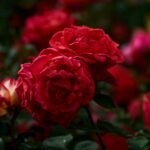

Flowers have been used for centuries to convey messages and emotions. Each type of flower carries its own symbolism and meaning, making them a powerful form of communication. For example, the rose is often associated with love and passion, while the lily symbolizes purity and renewal. Understanding the language of flowers can help you choose the perfect blooms for any occasion, whether it’s a romantic gesture or a gesture of sympathy. By knowing the meanings behind different flowers, you can create a more meaningful and personalized floral arrangement.
In addition to their individual meanings, flowers can also convey emotions through their colors. For example, red flowers are often associated with love and desire, while yellow flowers symbolize friendship and joy. By combining different colors and types of flowers, you can create a bouquet that conveys a specific message or sentiment. Whether you’re sending flowers to celebrate a special occasion or to offer condolences, understanding the language of flowers can help you choose the perfect blooms to express your feelings.
Choosing the Right Flowers for Longevity: Seasons and Varieties
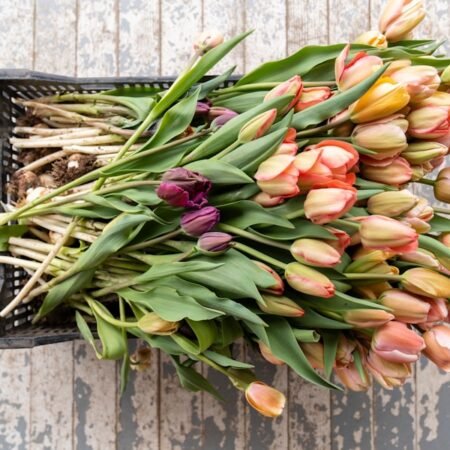
When selecting flowers for a floral arrangement, it’s important to consider the season and variety of blooms. Different flowers have different lifespans, and some are more resilient than others. For example, roses are known for their longevity and can last for several days in a vase, while delicate blooms like tulips may wilt more quickly. By choosing flowers that are in season, you can ensure that they are at their freshest and will last longer once they are cut. Additionally, certain varieties of flowers are known for their longevity, such as alstroemeria and chrysanthemums, making them ideal choices for long-lasting arrangements.
It’s also important to consider the environment in which the flowers will be displayed. Some flowers are more sensitive to heat or cold, so it’s important to choose blooms that can withstand the conditions in which they will be placed. By selecting the right flowers for the season and variety, you can create a stunning arrangement that will last for days, bringing beauty and joy to any space.
Proper Care and Maintenance: Tips for Extending the Vase Life
Once you’ve chosen the perfect flowers for your arrangement, it’s important to take proper care of them to ensure they last as long as possible. One of the most important factors in extending the vase life of cut flowers is water quality. Using clean, fresh water is essential for keeping flowers hydrated and healthy. It’s also important to change the water every few days to prevent bacteria from building up, which can cause the flowers to wilt more quickly.
In addition to water quality, proper trimming of the stems is crucial for extending the vase life of cut flowers. Cutting the stems at an angle helps the flowers absorb water more effectively, while removing any leaves that will be submerged in water prevents bacterial growth. It’s also important to place the flowers in a clean vase and keep them away from direct sunlight and drafts, which can cause them to wilt more quickly. By following these tips for proper care and maintenance, you can extend the vase life of your cut flowers and enjoy their beauty for longer.
The Science Behind Long-Lasting Cut Flowers: Understanding the Physiology
The longevity of cut flowers is not just a matter of proper care and maintenance; it also involves understanding the physiology of plants. When a flower is cut from its stem, it loses its source of water and nutrients, which can cause it to wilt and die more quickly. However, by understanding the science behind long-lasting cut flowers, it’s possible to extend their vase life. One key factor in the longevity of cut flowers is their ability to absorb water through their stems. By cutting the stems at an angle and placing them in clean water, you can help the flowers stay hydrated and healthy for longer.
Another important aspect of the physiology of cut flowers is their ability to produce ethylene gas, which can cause them to age more quickly. By keeping ethylene-producing fruits like bananas and apples away from cut flowers, you can help prevent premature wilting and extend their vase life. Understanding the science behind long-lasting cut flowers can help you take better care of your floral arrangements and enjoy their beauty for longer.
Floral Arrangements: Design Tips for Prolonging Freshness
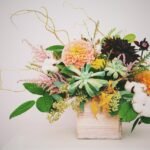
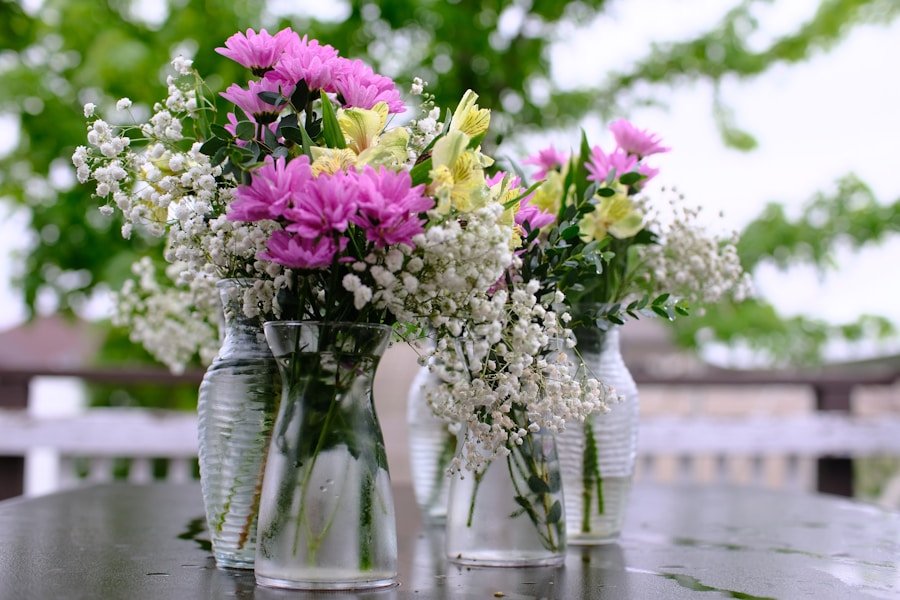
When creating a floral arrangement, it’s important to consider not only the aesthetics but also the longevity of the blooms. By following certain design tips, you can help prolong the freshness of your arrangement and enjoy its beauty for longer. One key tip is to use a mix of flower varieties with different lifespans, such as roses with alstroemeria or chrysanthemums. This ensures that even as some blooms begin to fade, others will continue to look fresh and vibrant.
Another design tip for prolonging freshness is to use floral foam or a grid structure in the vase to support the stems and keep them hydrated. This helps prevent wilting and ensures that the flowers stay fresh for longer. Additionally, arranging the flowers in a way that allows for good air circulation can help prevent mold and bacterial growth, which can cause them to wilt more quickly. By following these design tips for prolonging freshness, you can create a stunning floral arrangement that will last for days.
Environmental Factors: How Light, Temperature, and Water Quality Affect Vase Life
In addition to proper care and maintenance, environmental factors play a significant role in the vase life of cut flowers. Light, temperature, and water quality all affect how long flowers will last once they are cut. For example, placing cut flowers in direct sunlight can cause them to wilt more quickly, so it’s important to keep them in a cool, shaded area. Similarly, extreme temperatures can also affect the longevity of cut flowers; too much heat can cause them to wilt, while cold temperatures can slow down their metabolism and cause them to age more slowly.
Water quality is another important environmental factor that affects vase life. Using clean, fresh water is essential for keeping cut flowers hydrated and healthy. It’s also important to change the water every few days to prevent bacterial growth, which can cause the flowers to wilt more quickly. By paying attention to these environmental factors, you can help extend the vase life of your cut flowers and enjoy their beauty for longer.
Sustainable Practices: Eco-Friendly Ways to Extend the Lifespan of Cut Flowers
In addition to caring for cut flowers to extend their vase life, it’s also important to consider sustainable practices that minimize waste and environmental impact. One eco-friendly way to extend the lifespan of cut flowers is to use natural preservatives like apple cider vinegar or sugar in the water. These natural additives can help keep the water clean and provide essential nutrients to the flowers, helping them stay fresh for longer without relying on chemical preservatives.
Another sustainable practice for extending the lifespan of cut flowers is to repurpose them once they begin to fade. Instead of throwing them away, consider drying or pressing the blooms to create long-lasting keepsakes or decorative accents. Additionally, composting organic waste like wilted flowers helps reduce landfill waste and provides valuable nutrients for plants and gardens. By incorporating these sustainable practices into your flower care routine, you can extend the lifespan of cut flowers while minimizing environmental impact.
In conclusion, understanding the language of flowers and choosing the right varieties for longevity are essential for creating beautiful floral arrangements that last. Proper care and maintenance, along with an understanding of the science behind long-lasting cut flowers, can help extend their vase life. By following design tips and considering environmental factors, you can create stunning arrangements that stay fresh for longer. And by incorporating sustainable practices into your flower care routine, you can enjoy their beauty while minimizing waste and environmental impact. With these tips and techniques in mind, you can create long-lasting floral arrangements that bring joy and beauty into any space.