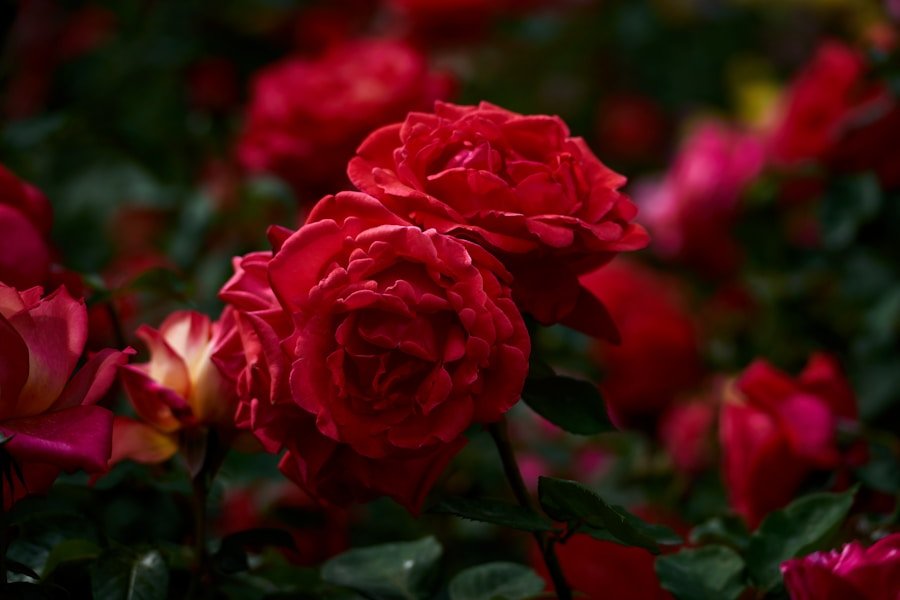

Scabiosa, also known as pincushion flower, is a genus of flowering plants in the honeysuckle family. These beautiful and delicate flowers are native to Europe and Asia, and they are known for their unique pincushion-like appearance. The name “pincushion flower” comes from the shape of the flower heads, which resemble the small cushions used for holding pins. Scabiosa flowers come in a variety of colors, including shades of blue, pink, purple, and white, making them a popular choice for gardeners looking to add a pop of color to their landscapes.
Scabiosa flowers are also known for their long blooming period, which makes them a great addition to any garden. They typically bloom from late spring to early fall, providing a continuous display of color throughout the growing season. In addition to their beauty, scabiosa flowers are also attractive to pollinators such as bees and butterflies, making them a valuable addition to any garden ecosystem. With their unique appearance and long blooming period, scabiosa flowers are a popular choice for both beginner and experienced gardeners alike.
Choosing the Right Location for Scabiosa in Your Garden
When it comes to choosing the right location for scabiosa in your garden, there are a few key factors to consider. First and foremost, scabiosa flowers thrive in full sun, so it’s important to choose a location that receives at least 6-8 hours of direct sunlight each day. In addition to sunlight, scabiosa flowers also prefer well-drained soil, so be sure to choose a location with good drainage to prevent waterlogged roots.
Another important consideration when choosing a location for scabiosa is air circulation. These flowers are susceptible to powdery mildew, so it’s important to choose a location with good air circulation to help prevent this common fungal disease. Finally, consider the height of your scabiosa plants when choosing a location. These flowers can grow anywhere from 12-36 inches tall, so be sure to choose a location that allows for their full height without crowding or overshadowing other plants.
Planting and Caring for Scabiosa Flowers
Once you’ve chosen the right location for your scabiosa plants, it’s time to plant and care for them to ensure they thrive in your garden. When planting scabiosa, be sure to space them at least 12-18 inches apart to allow for proper air circulation and prevent overcrowding. Dig a hole that is slightly larger than the root ball of the plant, and gently loosen the roots before placing the plant in the hole. Backfill the hole with soil and water thoroughly to help the plant establish its roots.
When it comes to caring for scabiosa flowers, it’s important to water them regularly, especially during dry periods. However, be sure not to overwater, as these plants are susceptible to root rot if they sit in waterlogged soil. In addition to watering, it’s also important to deadhead your scabiosa plants regularly to encourage continuous blooming throughout the growing season. Simply remove spent flowers by pinching them off at the base of the stem to promote new growth and prolong the blooming period.
Companion Plants for Scabiosa Flowers
When it comes to choosing companion plants for your scabiosa flowers, there are several options that can help enhance the beauty of your garden. One popular choice is to plant scabiosa alongside other pollinator-friendly plants such as lavender, salvia, and echinacea. These plants not only complement the colors and textures of scabiosa flowers but also attract beneficial insects such as bees and butterflies to your garden.
In addition to pollinator-friendly plants, scabiosa also pairs well with other long-blooming perennials such as coreopsis, rudbeckia, and veronica. These plants provide a continuous display of color throughout the growing season and can help fill in any gaps in your garden when scabiosa is not in bloom. Finally, consider planting scabiosa alongside ornamental grasses or low-growing groundcovers to add texture and interest to your garden beds.
Attracting Pollinators with Scabiosa Flowers
One of the many benefits of growing scabiosa flowers in your garden is their ability to attract pollinators such as bees and butterflies. These insects are essential for pollinating many of our food crops and play a crucial role in maintaining healthy ecosystems. By planting scabiosa in your garden, you can help provide much-needed nectar and pollen for these important pollinators.
To maximize the pollinator-attracting potential of your scabiosa plants, be sure to plant them in large drifts or clusters rather than single plants scattered throughout your garden. This will make it easier for pollinators to find and access the flowers, increasing the likelihood that they will visit your garden. In addition to planting scabiosa, consider adding other pollinator-friendly plants such as milkweed, coneflower, and bee balm to create a diverse and attractive habitat for bees and butterflies.
Using Scabiosa Flowers in Floral Arrangements
Scabiosa flowers are not only beautiful in the garden but also make stunning additions to floral arrangements. Their unique pincushion-like appearance and long stems make them a popular choice for bouquets and cut flower arrangements. When using scabiosa in floral arrangements, be sure to cut the stems at an angle and place them in water immediately to help prolong their vase life.
Scabiosa flowers can be used in a variety of floral arrangements, from simple single-stem vases to more elaborate mixed bouquets. They pair well with other garden favorites such as roses, peonies, and dahlias, adding texture and interest to any arrangement. Whether used on their own or as part of a larger bouquet, scabiosa flowers are sure to add a touch of elegance and charm to any floral display.
Creative Ways to Incorporate Scabiosa Flowers into Your Garden Design
In addition to using scabiosa in floral arrangements, there are many creative ways to incorporate these beautiful flowers into your garden design. One popular option is to plant scabiosa in containers or hanging baskets, allowing you to enjoy their beauty up close on a patio or balcony. This is especially useful for gardeners with limited space or those looking to add color and interest to small outdoor areas.
Another creative way to incorporate scabiosa into your garden design is by using them as edging plants along garden paths or borders. Their low-growing habit and long blooming period make them an ideal choice for adding color and texture to these areas while also attracting beneficial insects. Finally, consider planting scabiosa in mixed perennial beds or cottage gardens alongside other favorite plants such as daisies, phlox, and asters for a charming and colorful display throughout the growing season.
In conclusion, scabiosa flowers are a beautiful and versatile addition to any garden. With their unique pincushion-like appearance, long blooming period, and ability to attract pollinators, these flowers are sure to add color and interest to any landscape. Whether used in floral arrangements or incorporated into garden design, scabiosa is a popular choice for both beginner and experienced gardeners looking to enhance their outdoor spaces with beauty and charm. By understanding how to choose the right location for scabiosa, plant and care for these flowers, choose companion plants, attract pollinators, use them in floral arrangements, and creatively incorporate them into garden design, you can enjoy the many benefits of growing these stunning flowers in your own backyard.