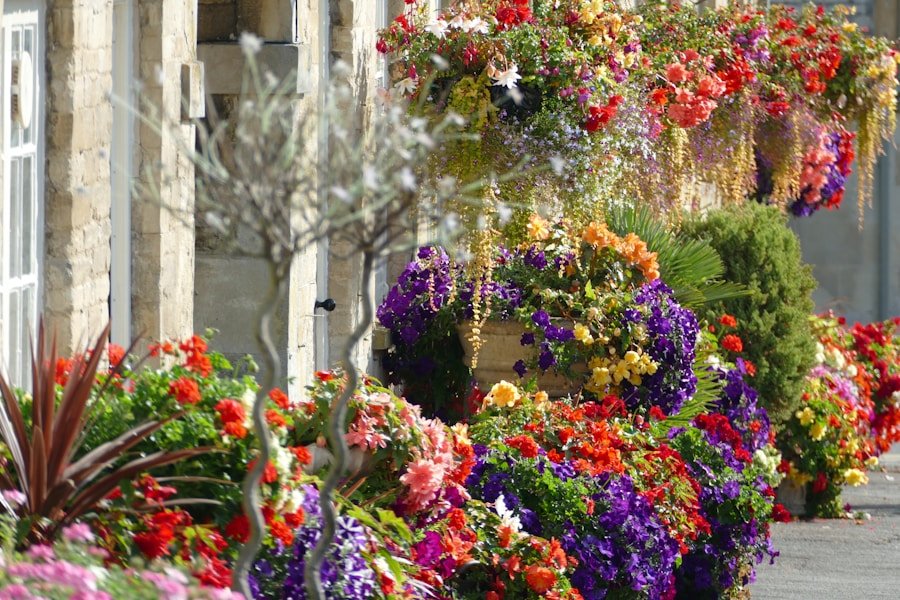

Flowers have played a significant role in funerals and celebrations for centuries, serving as a symbol of love, respect, and remembrance. In many cultures, flowers are used to honor the deceased and provide comfort to the grieving. They are also used to celebrate life and bring beauty to somber occasions. The presence of flowers at a funeral or celebration can create a sense of peace and tranquility, offering a visual representation of the love and support surrounding the bereaved. Whether it’s a traditional funeral service or a celebration of life ceremony, flowers have the power to convey emotions and sentiments that words alone cannot express.
In addition to their symbolic significance, flowers also serve a practical purpose in funerals and celebrations. They can help to mask the scent of death and decay, providing a more pleasant environment for mourners. Flowers also add a touch of natural beauty to the space, creating a serene and uplifting atmosphere. From elaborate floral arrangements to simple bouquets, the presence of flowers at a funeral or celebration can bring comfort and solace to those in attendance.
Symbolism and Meaning Behind Different Types of Funeral Flowers
Different types of flowers hold different meanings and symbolism, making them a powerful tool for expressing emotions and sentiments at funerals and celebrations. For example, lilies are often associated with purity and innocence, making them a popular choice for funeral services. Roses, with their timeless beauty and symbolism of love, are often used to convey heartfelt condolences. Chrysanthemums, on the other hand, are commonly used in Asian cultures to honor the deceased and are often seen at funerals and memorial services.
In addition to specific flower types, the color of the flowers also holds significance. White flowers are often used to symbolize purity and peace, while red flowers can represent love and passion. Yellow flowers can symbolize friendship and joy, making them a fitting choice for a celebration of life ceremony. By understanding the symbolism behind different types of funeral flowers, individuals can choose arrangements that best reflect their feelings and honor the memory of their loved ones.
How Flowers Help in the Mourning Process
The presence of flowers at a funeral or celebration can have a profound impact on the mourning process. Flowers have been shown to have a calming effect on individuals, helping to reduce stress and anxiety during times of grief. Their natural beauty and fragrance can provide comfort and solace to those who are mourning, creating a sense of peace and tranquility in an otherwise difficult time. In addition, the act of selecting and arranging flowers for a loved one’s funeral or celebration can be a therapeutic process for those who are grieving, allowing them to express their emotions and pay tribute to the deceased in a meaningful way.
Furthermore, flowers can serve as a tangible reminder of the love and support surrounding the bereaved. The sight of colorful blooms can bring a sense of hope and renewal to those who are mourning, reminding them that life continues to flourish even in the face of loss. Whether it’s a single stem or an elaborate arrangement, the presence of flowers at a funeral or celebration can provide comfort and healing to those who are grieving.
Choosing the Right Flowers for a Celebration of Life Ceremony
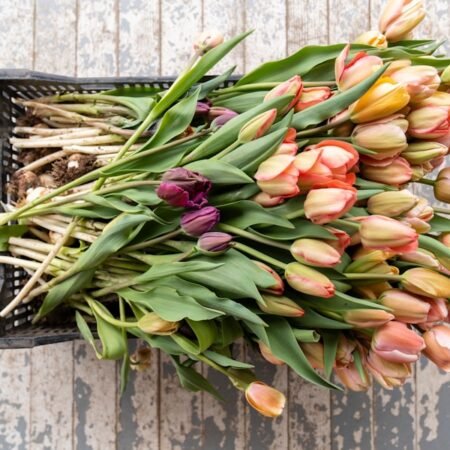
When planning a celebration of life ceremony, it’s important to choose flowers that reflect the personality and spirit of the deceased. Unlike traditional funerals, which may feature more somber floral arrangements, celebration of life ceremonies often call for brighter, more vibrant blooms that celebrate the joy and vitality of the individual being honored. Sunflowers, for example, are often used to symbolize happiness and positivity, making them a fitting choice for a celebration of life ceremony. Brightly colored roses, tulips, and daisies can also bring a sense of joy and optimism to the occasion.
In addition to considering the personality of the deceased, it’s also important to take into account their favorite flowers or colors when choosing arrangements for a celebration of life ceremony. By incorporating personal touches into the floral displays, loved ones can create a meaningful tribute that honors the unique spirit of the individual being celebrated. Whether it’s through vibrant blooms or personalized arrangements, choosing the right flowers for a celebration of life ceremony can help create a warm and uplifting atmosphere that celebrates the life and legacy of the deceased.
Historical and Cultural Perspectives on Funeral and Celebration Flowers
The use of flowers in funerals and celebrations dates back thousands of years and is deeply rooted in various cultural traditions around the world. In ancient Egypt, for example, flowers were used in funeral rites as offerings to the gods and as symbols of rebirth and eternal life. In many Asian cultures, chrysanthemums are commonly used in funeral ceremonies as a symbol of honor and respect for the deceased. In Mexico, marigolds are used during Dia de los Muertos celebrations to honor deceased loved ones and guide their spirits back to the living world.
Throughout history, different cultures have developed unique customs and traditions surrounding the use of flowers in funerals and celebrations. These traditions often reflect the cultural values and beliefs surrounding death and the afterlife. In modern times, these cultural perspectives continue to influence the use of flowers in funerals and celebrations, with individuals often incorporating traditional customs into their own ceremonies as a way to honor their heritage and pay tribute to their loved ones.
Personalizing Funeral and Celebration Flowers to Honor a Loved One
Personalizing funeral and celebration flowers is an important way to honor the memory of a loved one and create a meaningful tribute that reflects their unique personality and spirit. One way to personalize floral arrangements is by incorporating the deceased’s favorite flowers or colors into the displays. Whether it’s their favorite type of bloom or a specific color that held special meaning to them, incorporating these personal touches into the floral arrangements can create a meaningful tribute that honors their memory.
Another way to personalize funeral and celebration flowers is by incorporating meaningful symbols or objects into the arrangements. For example, incorporating seashells into floral displays can be a fitting tribute for someone who loved the ocean, while adding feathers can be a meaningful way to honor someone with a passion for birds. By incorporating these personal touches into floral arrangements, loved ones can create a unique tribute that celebrates the life and legacy of the deceased in a deeply personal way.
The Impact of Flowers on Healing and Finding Joy After Loss
The presence of flowers at funerals and celebrations can have a profound impact on healing and finding joy after loss. Flowers have been shown to have therapeutic effects on individuals who are grieving, helping to reduce stress and anxiety while providing comfort and solace during difficult times. Their natural beauty and fragrance can create a sense of peace and tranquility in an otherwise somber environment, offering a visual representation of love and support surrounding the bereaved.
In addition to providing comfort during times of grief, flowers can also serve as a reminder of the beauty and joy that still exists in the world. Their vibrant colors and fragrant scents can bring a sense of hope and renewal to those who are mourning, reminding them that life continues to flourish even in the face of loss. By bringing beauty and positivity to funerals and celebrations, flowers can help individuals find moments of joy amidst their grief, providing comfort and healing as they navigate through the mourning process.
In conclusion, flowers play an important role in funerals and celebrations, serving as symbols of love, respect, and remembrance while providing comfort and solace to those who are grieving. Whether it’s through their symbolic significance or their therapeutic effects, flowers have the power to convey emotions and sentiments that words alone cannot express. By understanding the symbolism behind different types of funeral flowers and personalizing arrangements to honor loved ones, individuals can create meaningful tributes that celebrate the life and legacy of the deceased while finding moments of joy amidst their grief. From historical and cultural perspectives to their impact on healing after loss, flowers continue to hold significant importance in honoring loved ones during times of mourning and celebration.

Other Articles
Seasonal Flower Power: Pet-Friendly Options for Your Home