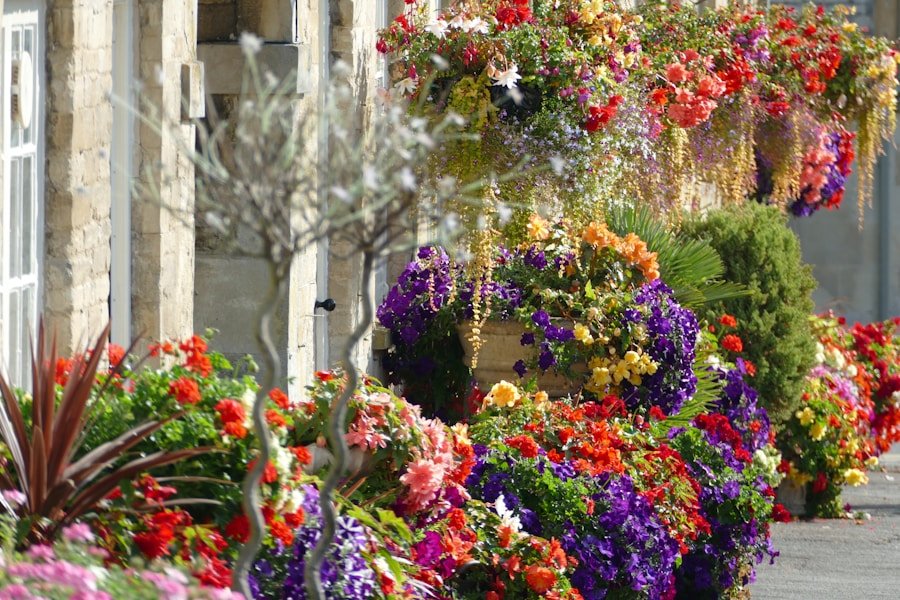

Funeral flowers have been a symbol of love, respect, and remembrance for centuries. The tradition of adorning the casket and the funeral home with flowers dates back to ancient times, when flowers were believed to have a spiritual significance and were used to honor the deceased. In many cultures, flowers are seen as a way to express emotions that words cannot convey. The beauty and fragrance of flowers provide comfort and solace to those who are grieving, and they serve as a reminder of the beauty and fragility of life. The symbolism of funeral flowers varies from culture to culture, but they are universally recognized as a way to pay tribute to the departed and offer support to the bereaved.
In addition to their symbolic meaning, funeral flowers also serve a practical purpose. They help to create a peaceful and serene atmosphere at the funeral service, providing a sense of calm and comfort to those in attendance. The presence of flowers can also help to ease the pain of loss and provide a sense of closure for the bereaved. Whether it’s a single rose or an elaborate floral arrangement, funeral flowers play an important role in honoring the life of the deceased and offering support to those who are mourning.
How Flowers Bring Comfort and Healing
The presence of flowers at a funeral can bring comfort and healing to those who are grieving. The beauty and fragrance of flowers have a calming effect on the mind and spirit, helping to ease the pain of loss and provide a sense of peace and tranquility. The act of receiving and arranging flowers can also be therapeutic for the bereaved, providing a creative outlet for their grief and allowing them to express their emotions in a tangible way. In addition, the act of giving and receiving flowers can help to strengthen the bonds between family and friends, providing a sense of unity and support during a difficult time.
Flowers also have a symbolic meaning that can bring comfort to those who are mourning. For example, lilies are often associated with purity and innocence, making them a fitting choice for honoring the life of a child or young person. Roses, with their timeless beauty and fragrance, are often used to express love and admiration for the departed. The presence of these meaningful symbols can provide solace to the bereaved and serve as a reminder of the love and memories shared with the deceased.
Traditional Funeral Flower Arrangements and Their Meanings
There are many traditional funeral flower arrangements that hold special meanings and symbolism. One of the most popular arrangements is the casket spray, which is placed on top of the casket during the funeral service. Casket sprays are often made up of a mix of flowers such as roses, lilies, and carnations, each with its own symbolic meaning. For example, white roses symbolize purity and innocence, while lilies represent the restored innocence of the soul of the departed. Another traditional arrangement is the standing spray, which is displayed on an easel and placed near the casket or altar. This arrangement is often made up of a mix of flowers such as gladioli, chrysanthemums, and carnations, each with its own symbolic meaning.
In addition to casket sprays and standing sprays, there are also traditional arrangements such as wreaths, crosses, and hearts that hold special meanings. Wreaths are often used to symbolize eternal life and are typically made up of flowers such as roses, carnations, and daisies. Crosses are often used to symbolize faith and are typically made up of flowers such as lilies, roses, and orchids. Hearts are often used to symbolize love and are typically made up of flowers such as roses, carnations, and daisies. These traditional funeral flower arrangements hold special meanings that can provide comfort and solace to those who are grieving.
The Role of Flowers in Celebrating a Life
Flowers play an important role in celebrating the life of the departed. They serve as a beautiful and meaningful way to honor the memory of the deceased and pay tribute to their life. Whether it’s through a simple bouquet or an elaborate floral arrangement, flowers can help to create a sense of beauty and grace at the funeral service, providing a fitting tribute to the life that was lived. In addition, flowers can also serve as a way to celebrate the unique personality and passions of the departed, with arrangements that reflect their favorite colors, flowers, or hobbies.
Flowers also play a role in celebrating the life of the departed by providing comfort and support to those who are grieving. The presence of flowers at the funeral service can help to create a peaceful and serene atmosphere, providing a sense of calm and solace to those in attendance. The act of giving and receiving flowers can also help to strengthen the bonds between family and friends, providing a sense of unity and support during a difficult time. In this way, flowers serve as a meaningful way to celebrate the life of the departed and offer comfort to those who are mourning.
Choosing the Right Flowers to Honor a Loved One
When choosing flowers to honor a loved one at their funeral or celebration of life, it’s important to consider their personality, passions, and preferences. For example, if the departed had a favorite flower or color, incorporating these into the floral arrangements can be a meaningful way to pay tribute to their unique personality. In addition, it’s important to consider the symbolic meanings of different flowers when choosing arrangements for a funeral or memorial service. For example, lilies are often associated with purity and innocence, making them a fitting choice for honoring the life of a child or young person.
It’s also important to consider the preferences of the bereaved when choosing flowers for a funeral or celebration of life. Some people may prefer traditional arrangements such as casket sprays or standing sprays, while others may prefer more personalized arrangements that reflect the unique personality of the departed. In addition, it’s important to consider any cultural or religious traditions that may influence the choice of flowers for a funeral or memorial service. By taking these factors into consideration, it’s possible to choose the right flowers to honor a loved one in a way that is meaningful and fitting.
Incorporating Personalized Touches in Funeral and Celebration Flowers
Incorporating personalized touches in funeral and celebration flowers can be a meaningful way to honor the memory of the departed. For example, incorporating their favorite colors or flowers into the arrangements can be a fitting tribute to their unique personality and passions. In addition, adding personal items such as photos, mementos, or keepsakes into the floral arrangements can help to create a sense of connection between the departed and those who are mourning. These personalized touches can serve as a reminder of the love and memories shared with the deceased, providing comfort and solace to those who are grieving.
Another way to incorporate personalized touches in funeral and celebration flowers is by choosing arrangements that reflect the unique personality or hobbies of the departed. For example, if they were an avid gardener, incorporating garden-inspired flowers such as daisies, sunflowers, or tulips into the arrangements can be a meaningful way to pay tribute to their passion for gardening. If they had a favorite color or theme, incorporating these into the floral arrangements can also be a fitting way to honor their memory. By incorporating personalized touches into funeral and celebration flowers, it’s possible to create meaningful tributes that provide comfort and support to those who are mourning.
The Impact of Flowers on the Grieving Process
The impact of flowers on the grieving process is profound. The presence of flowers at a funeral or memorial service can provide comfort and solace to those who are mourning, creating a peaceful and serene atmosphere that helps to ease the pain of loss. The beauty and fragrance of flowers have a calming effect on the mind and spirit, helping to create a sense of peace and tranquility during a difficult time. In addition, giving and receiving flowers can help to strengthen the bonds between family and friends, providing a sense of unity and support during the grieving process.
Flowers also have a symbolic meaning that can provide comfort to those who are mourning. For example, lilies are often associated with purity and innocence, making them a fitting choice for honoring the life of a child or young person. Roses, with their timeless beauty and fragrance, are often used to express love and admiration for the departed. The presence of these meaningful symbols can provide solace to the bereaved and serve as a reminder of the love and memories shared with the deceased. In this way, flowers play an important role in supporting those who are grieving by providing comfort, solace, and support during their time of need.
In conclusion, funeral flowers hold deep symbolic meaning that provides comfort and healing during times of grief. Traditional funeral flower arrangements such as casket sprays and standing sprays hold special meanings that can provide solace to those who are mourning. Flowers also play an important role in celebrating the life of the departed by providing comfort and support during difficult times. Choosing the right flowers to honor a loved one involves considering their personality, passions, preferences, as well as any cultural or religious traditions that may influence floral choices. Incorporating personalized touches in funeral and celebration flowers can be a meaningful way to honor the memory of the departed by creating meaningful tributes that provide comfort and support during times of grief. The impact of flowers on the grieving process is profound as they provide comfort, solace, unity, support during difficult times while serving as reminders of love shared with those who have passed away.