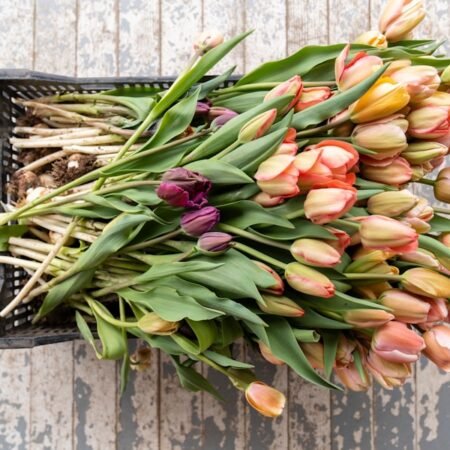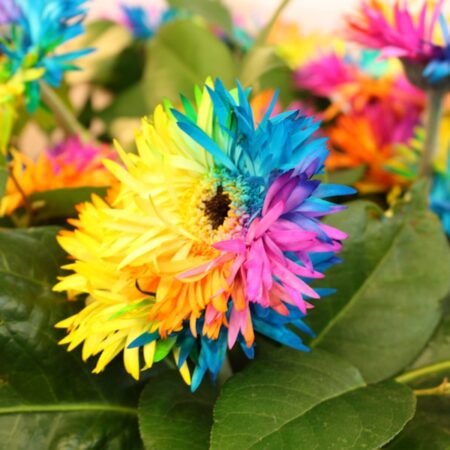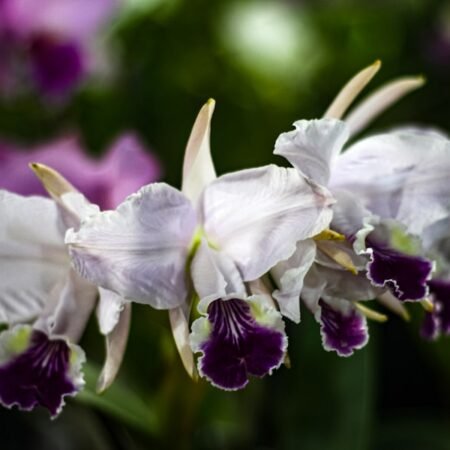

The aftermath of a bushfire can leave individuals and communities grappling with the emotional and psychological toll of the devastation. In such times of distress, the healing power of nature, particularly the presence of flowers, can play a significant role in promoting mental and emotional well-being. Research has shown that exposure to natural elements, such as flowers, can have a positive impact on reducing stress, anxiety, and depression. The vibrant colors, delicate fragrances, and intricate beauty of flowers can serve as a source of comfort and solace for those affected by the trauma of a bushfire. Furthermore, engaging with flowers through activities like gardening or floral arrangement can provide a sense of purpose and accomplishment, fostering a renewed sense of hope and resilience in the face of adversity.
In addition to their aesthetic appeal, flowers have been found to have a direct physiological effect on individuals’ well-being. Studies have demonstrated that being in the presence of flowers can lead to an increase in positive emotions and a decrease in negative feelings. The act of caring for and nurturing flowers can also promote mindfulness and a sense of connection to the natural world, which is particularly valuable for those who have experienced the loss and destruction caused by a bushfire. By harnessing the healing power of nature through the incorporation of flowers into the recovery process, individuals and communities can find a source of comfort and renewal as they navigate the challenges of rebuilding their lives and surroundings.
Symbolism and Hope: Understanding the significance of flowers as a symbol of renewal and resilience in the aftermath of a bushfire
In the wake of a bushfire, the presence of flowers serves as a powerful symbol of renewal, growth, and resilience. The emergence of new life in the form of blooming flowers amidst the charred landscape conveys a message of hope and regeneration. The symbolism of flowers as a representation of beauty rising from the ashes resonates deeply with individuals who have experienced loss and devastation. It serves as a reminder that even in the face of destruction, there is potential for new beginnings and growth. This symbolism can be particularly meaningful for those who are navigating the emotional and psychological impact of a bushfire, offering a tangible representation of hope and optimism for the future.
Furthermore, the act of planting and cultivating flowers in areas affected by bushfires can serve as a tangible expression of resilience and determination. It signifies a commitment to restoring beauty and vitality to the land, despite the challenges posed by the aftermath of a bushfire. The presence of flowers in these areas not only symbolizes the strength and perseverance of the community but also serves as a visual testament to the capacity for regeneration and renewal. By embracing the symbolism of flowers as a representation of hope and resilience, individuals and communities can find inspiration and motivation to navigate the recovery process with a sense of purpose and determination.
Community Engagement: How the act of planting and caring for flowers can bring communities together in the recovery process
The act of planting and caring for flowers in the aftermath of a bushfire can serve as a powerful catalyst for community engagement and solidarity. In times of crisis, coming together to engage in activities such as gardening or floral arrangement can foster a sense of connection and unity among individuals who have been affected by the disaster. The collaborative effort involved in tending to flowers not only promotes a sense of shared purpose but also provides an opportunity for individuals to support one another through mutual encouragement and assistance. This communal engagement can be instrumental in fostering a sense of belonging and support within the community as it navigates the challenges of recovery.
Moreover, the act of cultivating flowers can provide a platform for community members to come together and participate in meaningful activities that contribute to the restoration and beautification of their surroundings. This shared endeavor can instill a sense of pride and ownership in the recovery process, as individuals witness the tangible impact of their collective efforts in transforming the landscape from one of devastation to one of beauty and vitality. By engaging in activities centered around flowers, communities can forge bonds, build resilience, and find solace in each other’s company as they work towards rebuilding their lives and environment.
Ecological Restoration: Examining the role of flowers in restoring and rejuvenating the natural environment after a bushfire
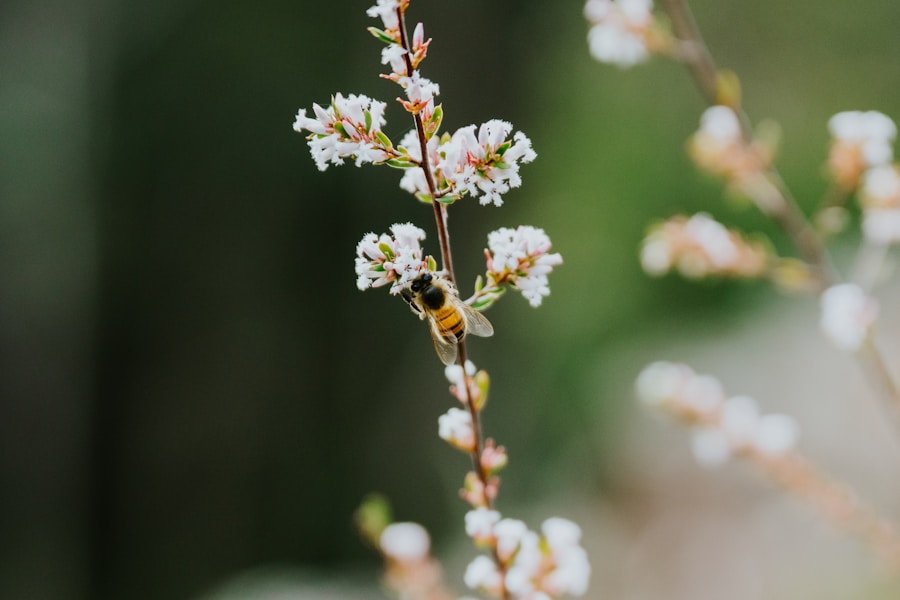
The presence of flowers plays a crucial role in ecological restoration efforts following a bushfire. As primary producers within ecosystems, flowers contribute to the rejuvenation and regeneration of natural habitats that have been impacted by fire. The establishment of flowering plants helps to stabilize soil, prevent erosion, and facilitate the return of essential nutrients to the land. Additionally, flowers attract pollinators such as bees, butterflies, and birds, which play a vital role in ecosystem functioning and biodiversity. By supporting pollinator populations, flowers contribute to the overall health and resilience of ecosystems that have been affected by bushfires.
Furthermore, the presence of flowering plants can aid in the reestablishment of vegetation cover in fire-affected areas, which is essential for preventing further degradation and promoting ecological recovery. The diverse array of species represented by different types of flowers also contributes to enhancing biodiversity within these landscapes. By fostering habitat diversity, flowers support the return of wildlife populations that may have been displaced or impacted by the bushfire. In this way, flowers play an integral role in restoring balance and vitality to ecosystems that have been disrupted by fire, contributing to their long-term sustainability and resilience.
Supporting Local Economies: Discussing the economic benefits of promoting flower cultivation and sales as part of bushfire recovery efforts
In addition to their ecological and psychological benefits, flowers also hold economic potential as part of bushfire recovery efforts. The cultivation and sale of flowers can provide economic opportunities for individuals and communities affected by bushfires, contributing to local economies while promoting sustainable livelihoods. By engaging in flower cultivation, individuals can generate income through the sale of fresh cut flowers, potted plants, or value-added products such as floral arrangements or artisanal goods. This economic activity not only supports local businesses but also creates employment opportunities within the community.
Furthermore, promoting flower cultivation as part of bushfire recovery efforts can contribute to diversifying local economies and enhancing resilience against future disasters. By investing in sustainable agricultural practices centered around flower production, communities can build economic capacity while simultaneously contributing to environmental conservation efforts. The cultivation of native or drought-resistant flowering plants can also serve as an opportunity to promote sustainable land management practices that support ecosystem health and resilience. By harnessing the economic potential of flower cultivation, communities can foster self-reliance, innovation, and long-term economic sustainability as they navigate the process of recovery.
Therapeutic Horticulture: Exploring the use of flower gardening and floral arrangements as a form of therapy for individuals affected by bushfires
Therapeutic horticulture involving flower gardening and floral arrangements has emerged as an effective form of therapy for individuals affected by bushfires. Engaging in activities centered around flowers provides individuals with an opportunity to connect with nature, engage their senses, and find solace amidst the emotional turmoil caused by the disaster. The act of tending to flowers through gardening or creating floral arrangements can promote mindfulness, reduce stress, and foster a sense of calm and well-being. This form of therapy offers individuals a creative outlet for self-expression while providing a tangible connection to beauty and life amidst the devastation left by a bushfire.
Moreover, therapeutic horticulture involving flowers has been found to have a positive impact on mental health outcomes for individuals affected by trauma. Studies have shown that engaging with nature through activities such as flower gardening can lead to improvements in mood, self-esteem, and overall psychological well-being. The act of nurturing plants and witnessing their growth can instill a sense of purpose and accomplishment, providing individuals with a source of hope and resilience as they navigate their recovery journey. By incorporating therapeutic horticulture into post-bushfire support programs, communities can offer individuals an avenue for healing that promotes holistic well-being while fostering a deeper connection to nature.
Long-Term Impact: Considering the lasting effects of incorporating flowers into the recovery process and their contribution to the overall restoration of beauty in bushfire-affected areas
The incorporation of flowers into the recovery process following a bushfire has lasting effects that extend beyond immediate relief efforts. By promoting flower cultivation, ecological restoration, community engagement, economic development, and therapeutic horticulture, communities can contribute to the long-term restoration of beauty in bushfire-affected areas. The presence of flowering plants serves as a visual testament to nature’s capacity for regeneration and renewal, offering ongoing inspiration and hope for individuals as they rebuild their lives and surroundings.
Furthermore, by integrating flowers into post-bushfire recovery efforts, communities can foster sustainable practices that support environmental conservation while enhancing ecosystem resilience. The cultivation of native flowering plants contributes to biodiversity conservation while promoting habitat restoration for wildlife populations that may have been impacted by fire. Additionally, supporting local economies through flower cultivation creates opportunities for long-term economic sustainability within communities while promoting self-reliance and innovation.
In conclusion, the incorporation of flowers into post-bushfire recovery efforts holds significant potential for promoting holistic well-being, ecological restoration, community engagement, economic development, therapeutic horticulture, and long-term sustainability. By harnessing the healing power of nature through activities centered around flowers, individuals and communities can find solace amidst adversity while contributing to the overall restoration of beauty in bushfire-affected areas. As communities continue to navigate the challenges posed by bushfires, embracing the presence of flowers offers an enduring symbol of hope, resilience, and renewal for both people and nature alike.