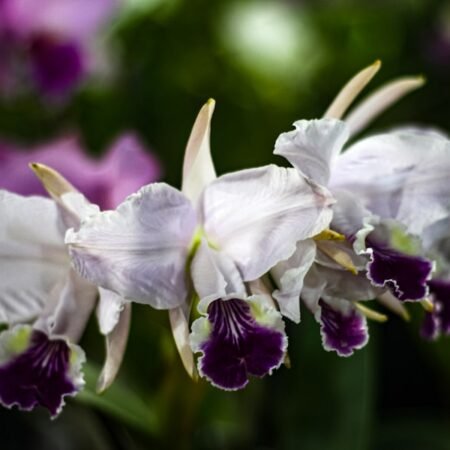
Amaryllis, also known as Hippeastrum, is a flowering plant native to South America, particularly in the tropical and subtropical regions of Mexico, the Caribbean, and South America. The name “Amaryllis” is derived from the Greek word “amarysso,” which means “to sparkle,” while “Hippeastrum” comes from the Greek words “hippos” and “astron,” which mean “horse” and “star,” respectively. The plant was first introduced to Europe in the 18th century and has since become a popular ornamental plant in many parts of the world.
The history of Amaryllis/Hippeastrum dates back to ancient times, with references to the plant found in Greek and Roman mythology. According to legend, Amaryllis was a beautiful shepherdess who fell in love with a shepherd named Alteo. In an attempt to win his love, she pierced her heart with a golden arrow and then walked to his door for 30 nights, each time shedding drops of blood. On the 30th night, a beautiful red flower bloomed from the blood she shed, and Alteo named it Amaryllis in her honor. This mythological tale has contributed to the plant’s association with love and beauty.
The Characteristics and Varieties of Amaryllis/Hippeastrum
Amaryllis/Hippeastrum is a bulbous plant that belongs to the Amaryllidaceae family. It is known for its large, showy flowers that come in a wide range of colors, including red, pink, white, orange, and bi-colors. The flowers can be single or double, and some varieties have striped or speckled petals. The plant typically produces 2-12 flowers on a tall, leafless stem, making it a striking addition to any garden or indoor space.
There are over 90 recognized species of Amaryllis/Hippeastrum, as well as numerous hybrids and cultivars. Some popular varieties include ‘Red Lion,’ ‘Apple Blossom,’ ‘Minerva,’ and ‘Papilio.’ Each variety has its own unique characteristics, such as flower size, color, and bloom time. Amaryllis/Hippeastrum bulbs are also available in different sizes, with larger bulbs producing more flowers. With such a wide variety of options, there is an Amaryllis/Hippeastrum variety to suit every taste and preference.
Amaryllis/Hippeastrum as a Symbol of Summer in Australia
In Australia, Amaryllis/Hippeastrum is often associated with the summer season due to its vibrant and colorful blooms. The plant’s ability to thrive in warm temperatures makes it a popular choice for gardens and indoor spaces during the Australian summer. The sight of Amaryllis/Hippeastrum flowers in full bloom is a symbol of the arrival of summer and the abundance of life that comes with it.
The bold and striking appearance of Amaryllis/Hippeastrum flowers also makes them a fitting symbol for the Australian summer, which is known for its bright sunshine and clear blue skies. The plant’s ability to withstand the heat and still produce stunning blooms is a testament to its resilience and beauty, qualities that are often associated with the Australian summer season.
How to Care for Amaryllis/Hippeastrum in the Australian Summer
Caring for Amaryllis/Hippeastrum during the Australian summer requires attention to its specific needs. The plant thrives in well-draining soil and requires regular watering during the growing season. However, it is important not to overwater the plant, as this can lead to root rot. Amaryllis/Hippeastrum also benefits from regular feeding with a balanced fertilizer to promote healthy growth and abundant flowering.
During the Australian summer, it is important to protect Amaryllis/Hippeastrum from extreme heat and direct sunlight, as this can cause the flowers to wilt and fade prematurely. Providing some shade during the hottest part of the day can help the plant retain its vibrant blooms for longer. Additionally, regular deadheading of spent flowers can encourage the plant to produce new blooms and prolong the flowering period.
Amaryllis/Hippeastrum in Australian Festive Decorations and Traditions
Amaryllis/Hippeastrum plays a significant role in Australian festive decorations and traditions, particularly during the Christmas season. The plant’s large, colorful blooms make it a popular choice for festive floral arrangements and centerpieces, adding a touch of elegance and beauty to holiday celebrations. Amaryllis/Hippeastrum flowers are often used in wreaths, bouquets, and table decorations, bringing a festive atmosphere to homes and public spaces.
In addition to its decorative use, Amaryllis/Hippeastrum is also associated with traditional Christmas customs in Australia. The plant’s vibrant red and white blooms are reminiscent of the colors of the holiday season, making it a fitting symbol for Christmas cheer and goodwill. Many Australians choose to incorporate Amaryllis/Hippeastrum into their holiday traditions as a way to celebrate the joy and abundance of the festive season.
Amaryllis/Hippeastrum in Australian Gardens and Landscapes
Amaryllis/Hippeastrum is a popular choice for Australian gardens and landscapes due to its striking appearance and ease of cultivation. The plant’s large, showy flowers make it a standout feature in any garden, adding color and vibrancy to outdoor spaces. Amaryllis/Hippeastrum bulbs can be planted directly in the ground or in containers, making them a versatile option for both garden beds and potted displays.
In addition to its ornamental value, Amaryllis/Hippeastrum also attracts pollinators such as bees and butterflies, contributing to the biodiversity of Australian gardens. The plant’s ability to thrive in warm climates makes it well-suited to the Australian landscape, where it can be enjoyed by gardeners and nature enthusiasts alike.
Where to Find Amaryllis/Hippeastrum in Australia
Amaryllis/Hippeastrum bulbs and plants can be found at nurseries, garden centers, and online retailers throughout Australia. Many nurseries offer a wide selection of Amaryllis/Hippeastrum varieties, allowing gardeners to choose the perfect plants for their gardens or indoor spaces. Online retailers also provide a convenient option for purchasing Amaryllis/Hippeastrum bulbs and plants, with delivery available to locations across Australia.
In addition to commercial sources, Amaryllis/Hippeastrum enthusiasts can also find the plant at botanical gardens and public parks throughout Australia. These green spaces often feature displays of Amaryllis/Hippeastrum in their gardens, providing an opportunity for visitors to admire the beauty of the plant in a natural setting. Whether purchased from a nursery or enjoyed in a public garden, Amaryllis/Hippeastrum is a beloved addition to the Australian landscape.