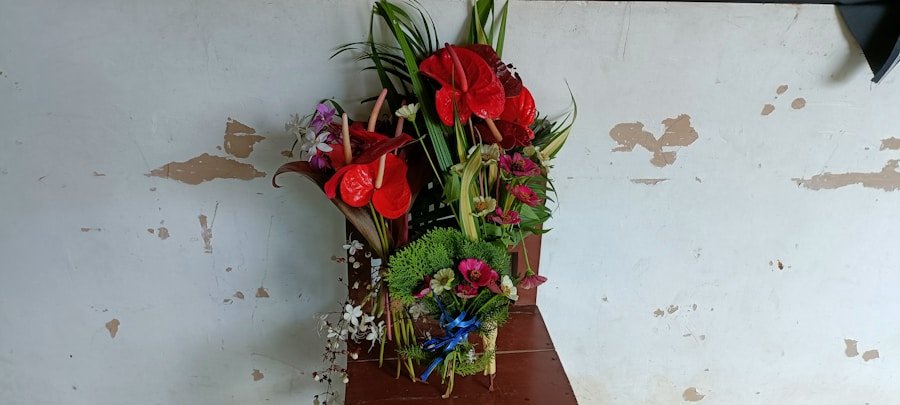

The language of flowers, also known as floriography, has been used as a form of communication for centuries. The practice of assigning meanings to flowers dates back to ancient civilizations, including the Greeks, Romans, and Egyptians. However, it wasn’t until the Victorian era that the language of flowers became widely popular in Western culture. During this time, floral dictionaries were published, detailing the meanings and symbolism of various blooms. This allowed people to convey messages and emotions through the arrangement of flowers, making it a popular form of non-verbal communication. The language of flowers was used to express love, friendship, gratitude, and even to convey secret messages. While the popularity of floriography waned in the 20th century, it has experienced a resurgence in recent years as people seek meaningful and personalized ways to communicate and connect with others.
The language of flowers has also been an important part of many cultural and religious traditions around the world. In Japan, for example, the practice of hanakotoba, or “flower language,” has been used for centuries to convey emotions and sentiments through floral arrangements. In Native American cultures, certain flowers hold special significance and are used in ceremonies and rituals to honor nature and the spirits. Understanding the history and cultural significance of the language of flowers can provide a deeper appreciation for the art of floral arranging and the symbolism behind different blooms.
Native vs. Non-Native Blooms: Understanding the Differences
When it comes to choosing flowers for a bouquet, it’s important to consider whether the blooms are native or non-native to your region. Native flowers are those that naturally occur in a specific geographic area and have adapted to the local climate and soil conditions. Non-native flowers, on the other hand, are those that have been introduced to a region from another part of the world. While both native and non-native blooms can be beautiful and meaningful, there are some important differences to consider when incorporating them into floral arrangements.
Native blooms are often more sustainable and environmentally friendly, as they require less water and maintenance than non-native flowers. They also provide important habitat and food sources for local wildlife, helping to support biodiversity. Additionally, native flowers are often better suited to the local climate and soil conditions, making them easier to grow and maintain in a garden or landscape. On the other hand, non-native blooms can add variety and exotic beauty to a bouquet, offering a wider range of colors, shapes, and textures. However, they may require more care and resources to thrive in a new environment. By understanding the differences between native and non-native blooms, you can make informed choices when selecting flowers for your bouquets.
Creating Meaningful Bouquets: How to Choose the Right Flowers
When creating a bouquet, it’s important to choose flowers that hold personal significance and meaning. Whether you’re arranging flowers for a special occasion or simply to brighten someone’s day, selecting blooms with intention can make the gesture even more meaningful. Consider the recipient’s favorite colors, scents, and flower types when choosing flowers for a bouquet. You can also incorporate flowers that hold symbolic meaning or represent specific emotions or qualities. For example, roses are often associated with love and romance, while daisies symbolize innocence and purity. By choosing flowers that resonate with the recipient on a personal or symbolic level, you can create a bouquet that truly speaks to their heart.
In addition to considering the meaning and symbolism of different flowers, it’s important to think about the overall aesthetic and design of the bouquet. Pay attention to the size, shape, and texture of each bloom, as well as how they complement each other when arranged together. Consider using a mix of focal flowers, such as roses or lilies, along with filler flowers like baby’s breath or ferns to add depth and dimension to the bouquet. You can also incorporate different foliage and greenery to enhance the overall look and feel of the arrangement. By taking a thoughtful and intentional approach to choosing flowers for your bouquets, you can create meaningful and beautiful arrangements that will be cherished by the recipient.
Symbolism and Significance: Exploring the Meanings of Different Flowers
Flowers have long been associated with symbolic meanings and significance, making them a powerful form of communication in the language of flowers. Each type of flower carries its own unique symbolism and can convey a wide range of emotions and sentiments. For example, the rose is often seen as a symbol of love and passion, while the lily represents purity and innocence. Understanding the meanings behind different flowers can help you create bouquets that convey specific messages or emotions.
In addition to individual flower meanings, the way in which flowers are arranged can also convey different messages. For example, a bouquet with flowers facing upwards may symbolize joy and optimism, while downward-facing blooms could represent sadness or mourning. The color of flowers can also carry symbolic significance, with red often representing love and passion, white symbolizing purity and innocence, and yellow conveying friendship and happiness. By exploring the meanings of different flowers and considering how they are arranged and presented, you can create bouquets that speak volumes without saying a word.
Incorporating Native Blooms into Your Bouquets: Tips and Ideas
Incorporating native blooms into your bouquets can add a sense of place and connection to your floral arrangements. Native flowers are those that naturally occur in your region and have adapted to the local climate and soil conditions. By using native blooms in your bouquets, you can celebrate the beauty of your local environment while also supporting biodiversity and sustainability. There are many ways to incorporate native flowers into your bouquets, whether you’re gathering blooms from your own garden or sourcing them from local florists or farmers’ markets.
One way to incorporate native blooms into your bouquets is to use wildflowers or native grasses as filler or accent elements. These natural elements can add texture and movement to your arrangements while also celebrating the unique beauty of your local landscape. You can also use native foliage and greenery to enhance the overall look and feel of your bouquets, adding depth and dimension to the arrangement. Consider using branches or leaves from native trees or shrubs to create a sense of place and connection in your floral designs. By incorporating native blooms into your bouquets, you can create meaningful arrangements that reflect the natural beauty of your surroundings.
The Art of Arranging: Designing Bouquets with Intention and Purpose
The art of arranging flowers is about more than just putting blooms together in a vase – it’s about creating intentional and purposeful designs that convey meaning and emotion. When designing bouquets, it’s important to consider factors such as color, shape, texture, and symbolism in order to create arrangements that resonate with the recipient on a deeper level. Pay attention to how different flowers complement each other when arranged together, considering their size, shape, and visual impact. You can also use foliage and greenery to add depth and dimension to your bouquets, creating a sense of movement and balance in the arrangement.
In addition to considering the visual elements of floral design, it’s important to think about the overall mood and feeling you want to convey with your bouquets. Whether you’re creating arrangements for a wedding, special occasion, or simply as a gesture of kindness, consider how you want the recipient to feel when they receive the bouquet. You can use different flower types and colors to evoke specific emotions or qualities – for example, using vibrant reds and pinks for a passionate or romantic bouquet, or soft pastels for a calming and soothing arrangement. By approaching floral arranging with intention and purpose, you can create bouquets that speak volumes without saying a word.
Sharing the Language of Flowers: Gifting and Communicating with Floral Arrangements
Floral arrangements have long been used as a form of gifting and communication, allowing people to convey messages and emotions through the beauty of blooms. Whether you’re celebrating a special occasion or simply want to brighten someone’s day, gifting a bouquet can be a meaningful way to express love, gratitude, friendship, or sympathy. When choosing flowers for a gift bouquet, consider the recipient’s personal preferences as well as any symbolic meanings or significance associated with different blooms. You can also consider how different flower types and colors may resonate with the recipient on an emotional level.
In addition to gifting bouquets for special occasions, floral arrangements can also be used as a form of non-verbal communication in everyday life. Sending someone a bouquet of flowers can be a thoughtful way to show appreciation or support during difficult times. You can also use floral arrangements as a way to express apologies or condolences when words may not be enough. By sharing the language of flowers through gifting and communicating with floral arrangements, you can create meaningful connections with others that go beyond words alone. Whether you’re celebrating love and joy or offering comfort and solace, floral arrangements can be a powerful way to convey emotions and sentiments in a beautiful and heartfelt manner.
In conclusion, the language of flowers has a rich history dating back centuries and has been used as a form of communication in cultures around the world. Understanding the differences between native and non-native blooms can help you make informed choices when selecting flowers for your bouquets. By choosing flowers with intention and purpose, you can create meaningful arrangements that convey specific messages or emotions through their symbolism and design. Incorporating native blooms into your bouquets can add a sense of place and connection while celebrating the natural beauty of your surroundings. The art of arranging flowers is about creating intentional designs that convey meaning and emotion through color, shape, texture, symbolism, mood, feeling, intentionality, purposefulness; sharing the language of flowers through gifting floral arrangements is a meaningful way to express love gratitude friendship sympathy appreciation support apologies condolences beyond words alone creating powerful connections with others through beautiful heartfelt gestures.
Incorporating the language of flowers into your floral arrangements can add depth and significance to your gift-giving, allowing you to express a wide range of emotions and sentiments. Whether you are celebrating a joyful occasion, offering support during a difficult time, or simply expressing gratitude, the careful selection and arrangement of blooms can convey your message in a meaningful and heartfelt way. By understanding the symbolism and cultural significance of different flowers, you can create arrangements that speak volumes without saying a word, fostering connections and conveying emotions in a truly beautiful and impactful manner.