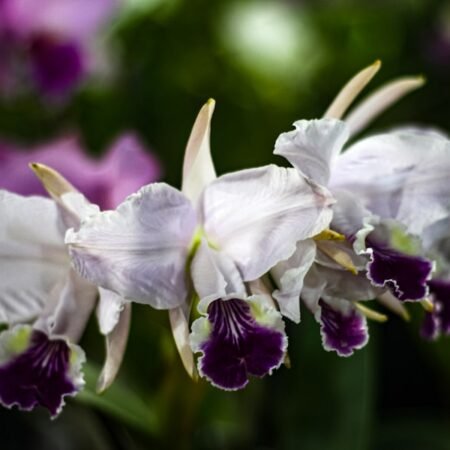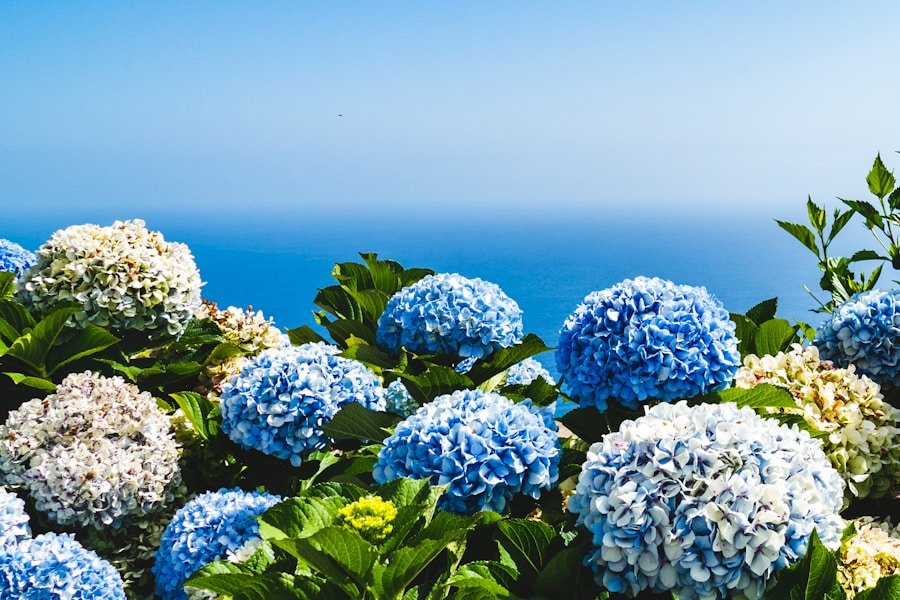

Moisture-loving flowers are a beautiful and beneficial addition to any garden. These flowers thrive in damp, humid conditions and can bring a burst of color and life to your outdoor space. One of the main benefits of moisture-loving flowers is their ability to attract pollinators such as bees, butterflies, and hummingbirds. These pollinators play a crucial role in the ecosystem, helping to fertilize plants and ensure the production of fruits and seeds. By planting moisture-loving flowers, you can create a welcoming environment for these important creatures and contribute to the health of your local ecosystem.
In addition to their role in supporting pollinators, moisture-loving flowers can also help to improve the overall health of your garden. These plants are often deep-rooted and can help to prevent soil erosion, especially in areas with heavy rainfall or runoff. Their roots can also help to absorb excess water from the soil, reducing the risk of waterlogging and creating a more stable growing environment for other plants in your garden. Furthermore, moisture-loving flowers can add a sense of tranquility and serenity to your outdoor space, creating a lush and vibrant oasis that is both visually stunning and emotionally soothing.
Choosing the Right Location for Your Moisture-Loving Garden
When it comes to creating a moisture-loving garden, choosing the right location is crucial for the success of your plants. Ideally, you should look for an area of your garden that receives consistent moisture, either from natural rainfall or irrigation. Low-lying areas or spots near bodies of water such as ponds or streams are often ideal for moisture-loving flowers, as they provide the damp conditions that these plants thrive in. It’s also important to consider the amount of sunlight that the area receives, as many moisture-loving flowers prefer partial shade to full sun.
In addition to considering the natural conditions of your garden, you should also think about the practical aspects of maintaining a moisture-loving garden. If you live in an area with heavy rainfall, you may need to take steps to improve drainage in your chosen location to prevent waterlogging. On the other hand, if you live in a drier climate, you may need to invest in irrigation systems or regularly water your moisture-loving flowers to ensure that they receive the moisture they need to thrive. By carefully selecting the right location for your moisture-loving garden and taking steps to address any potential challenges, you can create an environment that is conducive to the growth and flourishing of these beautiful plants.
Popular Varieties of Moisture-Loving Flowers
There are countless varieties of moisture-loving flowers to choose from, each with its own unique beauty and characteristics. One popular choice for moisture-loving gardens is the Japanese iris, known for its striking blooms and elegant foliage. These flowers come in a range of colors, including shades of blue, purple, and white, and can add a touch of sophistication and grace to any garden. Another beloved option is the astilbe, which features feathery plumes of flowers in shades of pink, red, and white. These plants are perfect for adding texture and dimension to your garden, and their ability to thrive in moist conditions makes them an excellent choice for waterlogged areas.
For those looking to add a pop of color to their garden, the marsh marigold is a fantastic option. These cheerful yellow flowers bloom in early spring and can brighten up even the dampest corners of your garden. If you’re interested in attracting pollinators, consider planting bee balm, also known as Monarda. This vibrant flower is a favorite among bees and butterflies and can bring a burst of energy and life to your outdoor space. Whether you prefer bold and dramatic blooms or delicate and understated flowers, there are plenty of options to choose from when it comes to creating a stunning garden with moisture-loving flowers.
Tips for Properly Caring for Moisture-Loving Flowers
Proper care is essential for the health and longevity of moisture-loving flowers. One of the most important aspects of caring for these plants is ensuring that they receive enough moisture to thrive. In areas with heavy rainfall, this may not be an issue, but in drier climates or during periods of drought, you may need to water your moisture-loving flowers regularly. It’s important to water these plants at their base rather than from above, as wet foliage can lead to disease and rot. Mulching around the base of your moisture-loving flowers can also help to retain moisture in the soil and reduce the need for frequent watering.
In addition to providing adequate moisture, it’s important to fertilize your moisture-loving flowers regularly to ensure that they have access to the nutrients they need to grow and bloom. Look for a balanced fertilizer that is specifically formulated for flowering plants and follow the instructions on the packaging for best results. It’s also important to keep an eye out for pests and diseases that can affect moisture-loving flowers, as these plants can be more susceptible to certain issues due to their damp growing conditions. Regularly inspect your plants for signs of trouble and take prompt action if you notice any problems developing. By providing proper care and attention to your moisture-loving flowers, you can help them thrive and flourish in your garden.
Designing a Stunning Garden with Moisture-Loving Flowers
Designing a garden with moisture-loving flowers offers endless opportunities for creativity and beauty. One popular approach is to create a lush and vibrant border using a mix of different varieties of moisture-loving flowers. This can add depth and interest to your garden while providing a stunning backdrop for other plants or features. You can also create focal points within your garden by planting larger specimens of moisture-loving flowers, such as Japanese irises or astilbes, in strategic locations where they can take center stage and draw attention.
Another approach is to create a more naturalistic setting by incorporating moisture-loving flowers into existing wetland or bog areas within your garden. This can create a sense of harmony and balance with the surrounding landscape while providing a habitat for wildlife such as frogs, dragonflies, and birds. If you have a pond or stream on your property, consider planting moisture-loving flowers along the banks or edges to create a seamless transition between water and land. By carefully considering the layout and design of your garden, you can create a stunning outdoor space that showcases the beauty and diversity of moisture-loving flowers.
Dealing with Common Challenges of Growing Moisture-Loving Flowers
While moisture-loving flowers can bring beauty and vitality to your garden, they also come with their own set of challenges. One common issue that gardeners may encounter when growing moisture-loving flowers is the risk of waterlogging, especially in areas with heavy rainfall or poor drainage. To address this challenge, it’s important to improve soil drainage by incorporating organic matter such as compost or well-rotted manure into the soil. This can help to create a more porous growing medium that allows excess water to drain away more effectively.
Another challenge that gardeners may face when growing moisture-loving flowers is the risk of pests and diseases that thrive in damp conditions. To prevent these issues, it’s important to practice good garden hygiene by removing any dead or decaying plant material from around your moisture-loving flowers regularly. This can help to reduce the risk of fungal diseases such as powdery mildew or botrytis from taking hold. Additionally, it’s important to monitor your plants closely for signs of pests such as slugs or snails, which can be particularly problematic in moist environments. By taking proactive steps to address these common challenges, you can help ensure the health and vitality of your moisture-loving flowers.
Embracing the Beauty of Rain and Moisture in Your Garden
One of the most wonderful aspects of growing moisture-loving flowers is the opportunity to embrace the beauty of rain and moisture in your garden. Rain has long been celebrated as a symbol of renewal and growth, and there is something truly magical about watching droplets glisten on the petals of your favorite flowers after a refreshing shower. By creating a garden filled with moisture-loving plants, you can create a space that celebrates the natural rhythms of the earth and invites you to connect with the elements on a deeper level.
In addition to their aesthetic appeal, moisture-loving flowers can also serve as a reminder of the importance of water conservation and environmental stewardship. By choosing plants that thrive in damp conditions, you can create a garden that is more resilient in the face of climate change and extreme weather events. This can serve as an inspiration for others in your community to consider how they can make their own outdoor spaces more sustainable and environmentally friendly. By embracing the beauty of rain and moisture in your garden, you can create a space that is not only visually stunning but also serves as a powerful symbol of hope and resilience in an ever-changing world.
In conclusion, moisture-loving flowers offer countless benefits for both gardeners and the environment. From attracting pollinators and improving soil health to creating stunning visual displays and promoting environmental stewardship, these plants have much to offer for those willing to embrace their unique needs and characteristics. By carefully selecting the right location for your moisture-loving garden, choosing the best varieties for your climate and soil conditions, providing proper care and attention, and addressing common challenges proactively, you can create a stunning outdoor space that celebrates the beauty of rain and moisture while supporting the health of your local ecosystem. Whether you’re an experienced gardener looking for new ways to enhance your outdoor space or someone just starting out on their gardening journey, consider adding some moisture-loving flowers to your landscape – you won’t be disappointed!