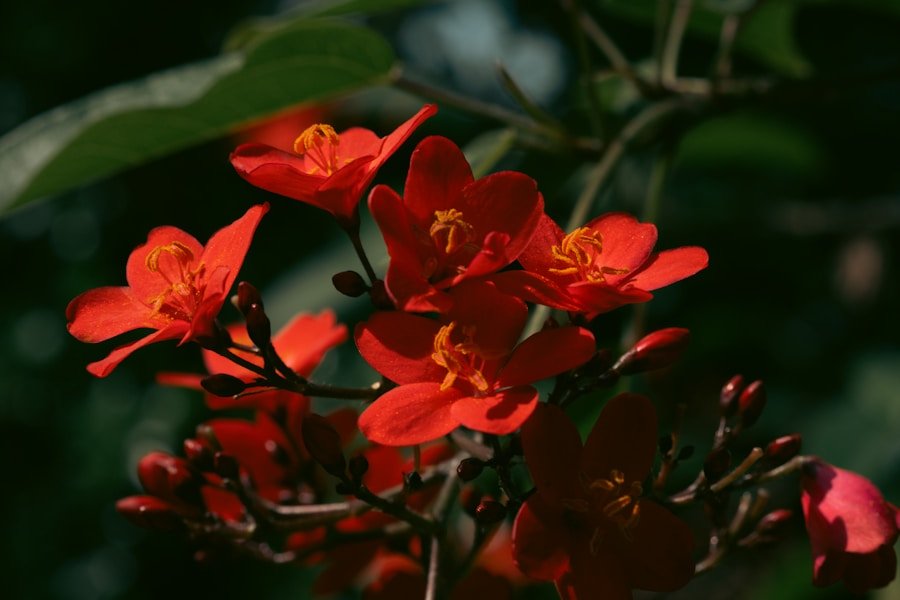

The tradition of adorning balconies with flowers dates back to ancient Rome, where wealthy citizens would display their wealth and status by hanging garlands of fragrant blooms from their balconies. The practice of balcony gardening continued throughout the centuries, with the Renaissance period seeing a resurgence in the popularity of ornamental plants and flowers. In the 18th and 19th centuries, balcony flowers became a symbol of romanticism and were often featured in paintings and literature as a representation of beauty and love. Today, balcony flowers are a common sight in urban areas, where people use them to add a touch of nature to their living spaces.
The tradition of balcony flowers has evolved over time, with modern technology and breeding techniques allowing for a wider variety of plants to thrive in small spaces. From traditional geraniums and petunias to exotic orchids and succulents, balcony flowers have become an essential part of urban living, providing a connection to nature in the midst of concrete jungles. As more people embrace the benefits of gardening, balcony flowers have become a popular way to bring color and life to urban environments.
The Symbolism of Balcony Flowers: What Do Different Colors and Varieties Represent?
The colors and varieties of balcony flowers hold different meanings and symbolism, making them a powerful tool for expressing emotions and sentiments. Red flowers, such as roses and geraniums, are often associated with love and passion, making them a popular choice for romantic gestures. Yellow flowers, like daffodils and sunflowers, symbolize happiness and friendship, while white blooms, such as lilies and jasmine, represent purity and innocence. Purple flowers, such as lavender and violets, are often linked to spirituality and luxury, while blue flowers, like forget-me-nots and hydrangeas, evoke feelings of calmness and serenity.
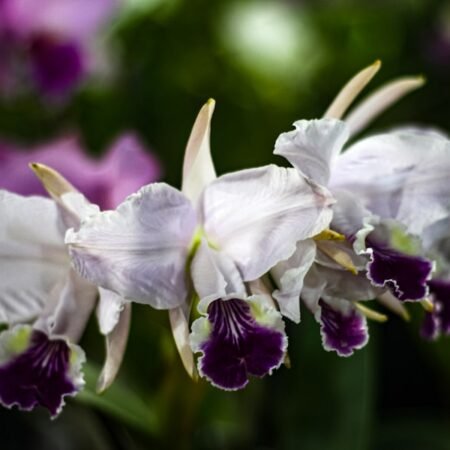
In addition to their colors, the varieties of balcony flowers also hold symbolic meanings. For example, orchids are often associated with elegance and refinement, making them a popular choice for formal occasions. On the other hand, wildflowers like daisies and poppies are seen as symbols of simplicity and natural beauty. By understanding the symbolism of different balcony flowers, individuals can use them to convey specific messages and emotions in their living spaces.
Cool-Season Colors: Exploring the Palette of Winter and Early Spring Flowers
When it comes to choosing balcony flowers for the cooler months, there are plenty of options that can add color and vibrancy to your outdoor space. Pansies are a popular choice for winter and early spring, as they come in a variety of colors and can withstand cooler temperatures. Violas are another cool-season flower that can add a pop of color to your balcony, with their delicate blooms and sweet fragrance. Cyclamen is a great option for adding a touch of elegance to your balcony, with its unique petals and vibrant hues.
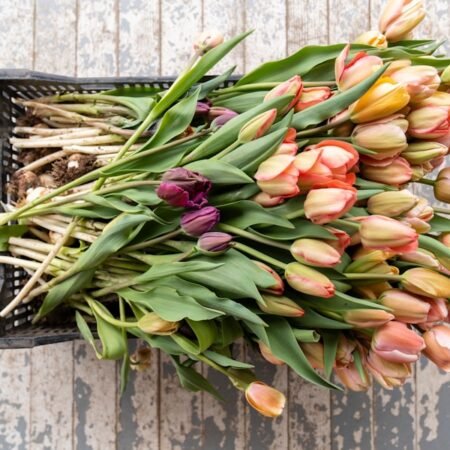
In addition to traditional winter flowers, there are also several varieties of early spring blooms that can thrive in cooler climates. Daffodils are a classic choice for adding a burst of yellow to your balcony, while tulips come in a range of colors and can create a stunning display. Snowdrops are another early spring flower that can add a touch of whimsy to your outdoor space, with their delicate white petals and graceful appearance. By exploring the palette of winter and early spring flowers, individuals can create a beautiful and inviting balcony garden that thrives even in cooler temperatures.
How to Choose the Right Balcony Flowers for Your Space and Climate
When choosing balcony flowers, it’s important to consider the specific conditions of your outdoor space and the climate in which you live. Factors such as sunlight exposure, wind exposure, and temperature fluctuations can all impact the success of your balcony garden. Before selecting your flowers, take note of how much sunlight your balcony receives throughout the day, as this will determine which plants will thrive in your space. Additionally, consider the direction of the wind on your balcony, as strong gusts can damage delicate blooms.
In terms of climate, it’s important to choose balcony flowers that are well-suited to the temperatures and weather patterns in your area. If you live in a region with hot summers, opt for heat-tolerant plants like petunias and marigolds. For cooler climates, look for cold-hardy flowers such as pansies and snapdragons that can withstand lower temperatures. By taking into account the specific conditions of your space and climate, you can choose the right balcony flowers that will thrive and bring beauty to your outdoor living area.
The Art of Balcony Gardening: Tips for Caring for and Arranging Your Flowers
Caring for balcony flowers requires attention to detail and regular maintenance to ensure they thrive in their outdoor environment. When it comes to watering your plants, be mindful of the specific needs of each variety, as some may require more frequent watering than others. Additionally, be sure to fertilize your balcony flowers regularly to provide them with the nutrients they need to grow and bloom. Pruning is also an essential part of balcony gardening, as it helps promote healthy growth and prevents overcrowding.
Arranging your balcony flowers is another important aspect of creating an inviting outdoor space. Consider using a variety of containers in different sizes and heights to create visual interest on your balcony. Grouping plants with similar care requirements together can make maintenance easier and ensure that each variety receives the attention it needs. Additionally, consider adding hanging baskets or trellises to maximize vertical space on your balcony and create a lush garden oasis. By following these tips for caring for and arranging your balcony flowers, you can create a beautiful outdoor retreat that brings joy and tranquility to your living space.
Balcony Flowers in Literature and Art: A Look at Their Cultural Significance
Throughout history, balcony flowers have been featured prominently in literature and art as symbols of beauty, love, and nature. In Shakespeare’s “Romeo and Juliet,” Juliet famously declares “What’s in a name? That which we call a rose by any other name would smell as sweet,” using the image of a rose to convey the timeless nature of love. In art, balcony flowers have been depicted in countless paintings as a representation of tranquility and natural beauty. Artists like Claude Monet and Vincent van Gogh often included blooming plants in their works as a way to capture the essence of the natural world.
In addition to their literary and artistic significance, balcony flowers have also played a role in cultural traditions around the world. In many Eastern cultures, balconies are adorned with colorful blooms during festivals and celebrations as a way to bring good luck and prosperity to the home. In Western cultures, balcony flowers are often used as a way to celebrate special occasions such as weddings or anniversaries. By exploring the cultural significance of balcony flowers in literature and art, individuals can gain a deeper appreciation for their beauty and symbolism.
Bringing the Outdoors In: Using Balcony Flowers to Brighten Your Home during the Winter Months
During the winter months, balcony flowers can be brought indoors to brighten up your living space and provide a touch of nature during the colder season. By placing potted plants on windowsills or tabletops, you can create an indoor garden that adds color and vibrancy to your home. Consider using fragrant blooms like jasmine or hyacinth to fill your home with delightful scents that evoke feelings of warmth and comfort. Additionally, hanging baskets or wall-mounted planters can be used to create vertical gardens inside your home, adding visual interest and natural beauty.
In addition to bringing balcony flowers indoors, consider using cut blooms in vases or floral arrangements to create stunning centerpieces for your dining table or mantelpiece. Flowers like roses or lilies can add elegance and sophistication to your home decor, while wildflowers like daisies or sunflowers can create a more casual and inviting atmosphere. By using balcony flowers to brighten your home during the winter months, you can create a cozy indoor retreat that brings joy and tranquility to your living space.
In conclusion, balcony flowers have a rich history that dates back to ancient times, with their symbolism and cultural significance making them an essential part of urban living. By exploring the palette of winter and early spring flowers, individuals can create beautiful balcony gardens that thrive even in cooler temperatures. Choosing the right balcony flowers for your space and climate is essential for ensuring their success, while caring for and arranging them requires attention to detail and regular maintenance. Balcony flowers have also played a significant role in literature and art as symbols of beauty and nature, with their cultural significance adding depth to their appeal. Finally, bringing balcony flowers indoors during the winter months can brighten up your home and provide a touch of nature during the colder season. Overall, balcony flowers offer endless possibilities for creating beautiful outdoor spaces that bring joy and tranquility to urban living.