
Australia is a country known for its diverse and vibrant cultural festivals, many of which are celebrated with the inclusion of beautiful and symbolic flowers. These festivals are an important part of Australian culture, bringing people together to celebrate and honor various traditions and customs. From the iconic Melbourne Cup Carnival to the colorful Floriade festival in Canberra, flowers play a significant role in enhancing the beauty and symbolism of these cultural events. In this article, we will explore the role of flowers in Australian cultural festivals, the symbolism of different flowers in Australian culture, the art of flower arrangements and displays at these festivals, the importance of flowers in Indigenous Australian festivals, and the evolution of floral symbolism in Australian cultural festivals.
The Role of Flowers in Australian Cultural Festivals
Flowers have always played a significant role in Australian cultural festivals, adding a touch of natural beauty and elegance to the celebrations. They are used to decorate event spaces, create stunning floral displays, and even as accessories for traditional costumes and performances. The presence of flowers at these festivals not only enhances the visual appeal but also adds a sense of freshness and vitality to the atmosphere. In addition, flowers are often used as gifts or offerings during these festivals, symbolizing love, respect, and gratitude. Whether it’s the vibrant blooms adorning the parade floats at the Sydney Gay and Lesbian Mardi Gras or the delicate floral arrangements at the Toowoomba Carnival of Flowers, flowers are an integral part of Australian cultural festivals.
The Symbolism of Different Flowers in Australian Culture
In Australian culture, different flowers hold various symbolic meanings and are often used to convey specific messages during cultural festivals. For example, the waratah flower is considered a symbol of unity and strength, making it a popular choice for ANZAC Day commemorations. The golden wattle, Australia’s national floral emblem, represents resilience and unity, making it a fitting choice for Australia Day celebrations. Similarly, the kangaroo paw flower is associated with diversity and creativity, making it a popular choice for multicultural festivals. These symbolic meanings add depth and significance to the use of flowers in Australian cultural festivals, allowing them to convey powerful messages and emotions.
Flower Arrangements and Displays at Australian Cultural Festivals
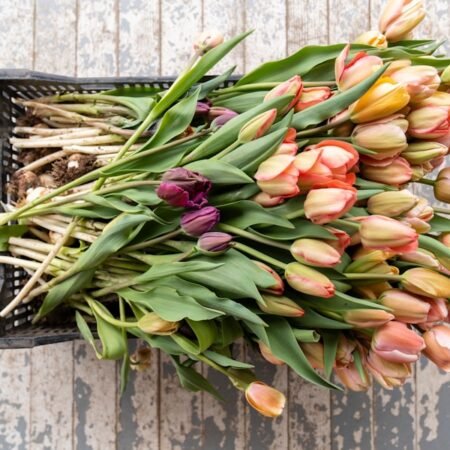
The art of flower arrangements and displays is an essential aspect of Australian cultural festivals, with skilled florists and designers creating stunning floral installations that captivate and inspire festival-goers. From elaborate floral arches at music festivals to intricate table centerpieces at food and wine festivals, flower arrangements are used to enhance the overall aesthetic and ambiance of these events. In addition, flower displays often reflect the theme or purpose of the festival, adding a layer of storytelling and meaning to the overall experience. Whether it’s the breathtaking floral sculptures at the Tesselaar Tulip Festival or the enchanting flower carpet at the Toowoomba Carnival of Flowers, these displays showcase the creativity and artistry of floral design in Australian cultural festivals.
The Importance of Flowers in Indigenous Australian Festivals
Flowers hold significant importance in Indigenous Australian culture, playing a vital role in traditional ceremonies and festivals. For Indigenous Australians, flowers are not only used for decorative purposes but also hold deep spiritual and cultural significance. They are often used in rituals and ceremonies to connect with the land and ancestors, symbolizing the continuity of life and the interconnectedness of all living beings. In addition, certain native flowers are used for medicinal purposes, reflecting the deep knowledge and understanding of the natural world held by Indigenous Australians. The inclusion of flowers in Indigenous Australian festivals serves as a powerful reminder of the rich cultural heritage and spiritual connection to the land.
The Evolution of Floral Symbolism in Australian Cultural Festivals
The use of flowers in Australian cultural festivals has evolved over time, reflecting changes in societal values, cultural influences, and environmental awareness. While traditional floral symbols such as the waratah and golden wattle continue to hold significance, there has been a growing emphasis on using native Australian flowers to promote sustainability and environmental conservation. Festivals such as Floriade in Canberra have embraced this shift by showcasing a diverse range of native flora and promoting eco-friendly practices. Additionally, there has been a greater recognition of the importance of incorporating Indigenous floral symbolism into mainstream cultural festivals, acknowledging the rich heritage and traditions of Australia’s First Nations people.
The Impact of Flowers on Australian Cultural Festivals
In conclusion, flowers play a significant role in enhancing the beauty, symbolism, and cultural significance of Australian cultural festivals. From their decorative use to their deep spiritual meanings, flowers add a layer of depth and richness to these celebrations. The evolution of floral symbolism reflects changing attitudes towards sustainability and cultural inclusivity, highlighting the dynamic nature of Australian cultural festivals. As these festivals continue to evolve and adapt to contemporary values, one thing remains constant – the enduring presence of flowers as a symbol of beauty, unity, and tradition in Australian culture.