
Memorial gardens are a beautiful and meaningful way to honor and remember loved ones who have passed away. These gardens are often created in outdoor spaces, such as backyards, parks, or cemeteries, and are designed to provide a peaceful and serene environment for reflection and remembrance. The plants and flowers chosen for these gardens are carefully selected to symbolize the cycle of life and to evoke feelings of peace and tranquility. Memorial gardens can serve as a place for family and friends to gather and remember their loved ones, as well as a place for individuals to find solace and comfort in their grief.
Creating a memorial garden can be a deeply personal and therapeutic experience. It allows individuals to channel their grief into something positive and constructive, while also providing a lasting tribute to the memory of their loved one. The process of planning and planting a memorial garden can be a healing and cathartic experience, as it allows individuals to connect with nature and create a living legacy in honor of their loved one. Whether it’s a small, intimate garden or a larger, more elaborate space, memorial gardens provide a tangible way to keep the memory of a loved one alive for years to come.
The Significance of Seasonal Perennials
When planning a memorial garden, the choice of plants and flowers is crucial in creating a meaningful and symbolic space. Seasonal perennials, in particular, play a significant role in memorial gardens as they represent the cycle of life and the passage of time. Perennials are plants that live for more than two years and typically bloom during specific seasons, making them an ideal choice for memorial gardens. By selecting seasonal perennials, individuals can create a garden that changes and evolves throughout the year, reflecting the natural rhythms of life and death.
Spring-blooming perennials symbolize rebirth and renewal, while summer-blooming perennials represent growth and abundance. Fall-blooming perennials signify transition and reflection, and winter-blooming perennials evoke feelings of peace and remembrance. By incorporating these seasonal perennials into a memorial garden, individuals can create a space that is not only visually stunning but also deeply meaningful and symbolic. The changing colors and textures of these plants throughout the year serve as a reminder of the passage of time and the enduring nature of life.
Spring: Rebirth and Renewal
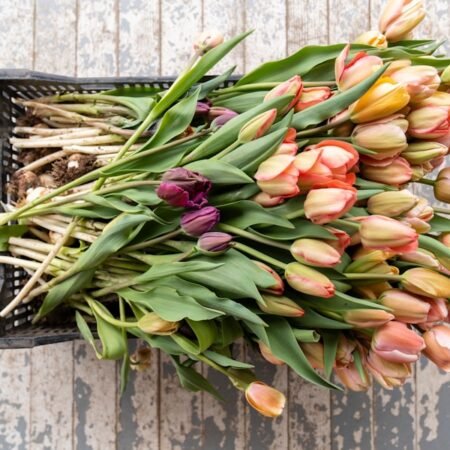
Spring is a time of rebirth and renewal, making it an ideal season for planting a memorial garden. The blooming of spring-blooming perennials symbolizes new life and the promise of growth. Some popular spring-blooming perennials for memorial gardens include daffodils, tulips, hyacinths, and irises. These flowers not only add vibrant color to the garden but also serve as a powerful symbol of hope and new beginnings. As the weather warms and the days grow longer, the garden comes alive with the sights and scents of spring, creating a peaceful and uplifting atmosphere for remembrance.
In addition to spring-blooming perennials, individuals may also choose to incorporate other elements into their memorial garden that symbolize rebirth and renewal. For example, the addition of flowing water features such as fountains or ponds can evoke feelings of rejuvenation and vitality. Additionally, the use of natural materials such as stone or wood can add a sense of grounding and stability to the garden, further enhancing its symbolic significance. By carefully selecting plants and design elements that embody the spirit of spring, individuals can create a memorial garden that serves as a beautiful tribute to the enduring cycle of life.
Summer: Growth and Abundance
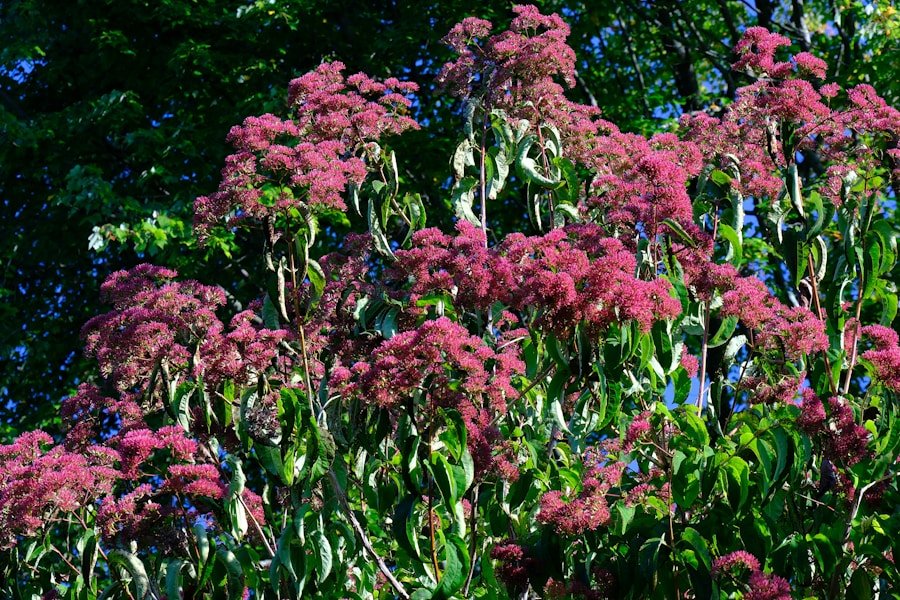
Summer is a season of growth and abundance, making it an ideal time to celebrate the memory of loved ones in a memorial garden. The blooming of summer-blooming perennials represents the fullness of life and the beauty of nature in its prime. Some popular summer-blooming perennials for memorial gardens include roses, lilies, coneflowers, and daylilies. These flowers not only add vibrant color and fragrance to the garden but also serve as a powerful symbol of vitality and abundance. As the garden bursts into full bloom, it becomes a place of joy and celebration, honoring the memory of loved ones in a meaningful and uplifting way.
In addition to summer-blooming perennials, individuals may also choose to incorporate other elements into their memorial garden that symbolize growth and abundance. For example, the addition of lush greenery such as shrubs or trees can create a sense of lushness and vitality in the garden. Additionally, the use of natural materials such as gravel pathways or wooden benches can add a sense of warmth and hospitality to the space, inviting visitors to linger and reflect on the beauty of life. By carefully selecting plants and design elements that embody the spirit of summer, individuals can create a memorial garden that serves as a vibrant tribute to the richness of life.
Fall: Transition and Reflection
Fall is a season of transition and reflection, making it an ideal time to honor the memory of loved ones in a memorial garden. The blooming of fall-blooming perennials represents the changing colors of nature and the passage of time. Some popular fall-blooming perennials for memorial gardens include asters, chrysanthemums, sedum, and goldenrod. These flowers not only add rich color and texture to the garden but also serve as a powerful symbol of transition and reflection. As the leaves begin to change and the air grows cooler, the garden becomes a place of quiet contemplation, honoring the memory of loved ones in a thoughtful and introspective way.
In addition to fall-blooming perennials, individuals may also choose to incorporate other elements into their memorial garden that symbolize transition and reflection. For example, the addition of winding pathways or secluded seating areas can create a sense of serenity and solitude in the garden. Additionally, the use of natural materials such as stone walls or wooden arbors can add a sense of permanence and stability to the space, providing visitors with a place to pause and reflect on the changing seasons of life. By carefully selecting plants and design elements that embody the spirit of fall, individuals can create a memorial garden that serves as a peaceful tribute to the enduring beauty of nature.
Winter: Peace and Remembrance
Winter is a season of peace and remembrance, making it an ideal time to honor the memory of loved ones in a memorial garden. The blooming of winter-blooming perennials represents the quiet beauty of nature in its dormant state. Some popular winter-blooming perennials for memorial gardens include hellebores, snowdrops, winter jasmine, and camellias. These flowers not only add subtle color and fragrance to the garden but also serve as a powerful symbol of peace and remembrance. As the world grows still and quiet, the garden becomes a place of solace and tranquility, honoring the memory of loved ones in a gentle and contemplative way.
In addition to winter-blooming perennials, individuals may also choose to incorporate other elements into their memorial garden that symbolize peace and remembrance. For example, the addition of evergreen trees or shrubs can create a sense of permanence and endurance in the garden. Additionally, the use of natural materials such as stone sculptures or memorial plaques can add a sense of reverence and solemnity to the space, providing visitors with a place to pay their respects in quiet contemplation. By carefully selecting plants and design elements that embody the spirit of winter, individuals can create a memorial garden that serves as a serene tribute to the enduring beauty of nature.
Creating a Meaningful Memorial Garden
Creating a meaningful memorial garden is a deeply personal and rewarding experience that allows individuals to honor the memory of their loved ones in a tangible way. When planning a memorial garden, it’s important to consider not only the choice of plants but also the overall design and layout of the space. By carefully selecting seasonal perennials that symbolize the cycle of life, individuals can create a garden that changes with the passing seasons, reflecting the natural rhythms of life and death.
In addition to choosing plants with symbolic significance, individuals may also choose to incorporate other elements into their memorial garden that enhance its meaning and beauty. Water features such as fountains or ponds can evoke feelings of rejuvenation and vitality, while natural materials such as stone or wood can add a sense of grounding and stability to the space. By creating a harmonious balance between plants, design elements, and natural features, individuals can create a memorial garden that serves as a lasting tribute to the memory of their loved ones.
In conclusion, memorial gardens are a beautiful way to honor and remember loved ones who have passed away. By carefully selecting seasonal perennials that symbolize the cycle of life, individuals can create a garden that changes with the passing seasons, reflecting the natural rhythms of life and death. Whether it’s spring-blooming perennials symbolizing rebirth or winter-blooming perennials evoking feelings of peace, each season offers its own unique opportunity for creating a meaningful tribute to those who have passed away. With careful planning and thoughtful design, individuals can create a memorial garden that serves as a lasting legacy for years to come.