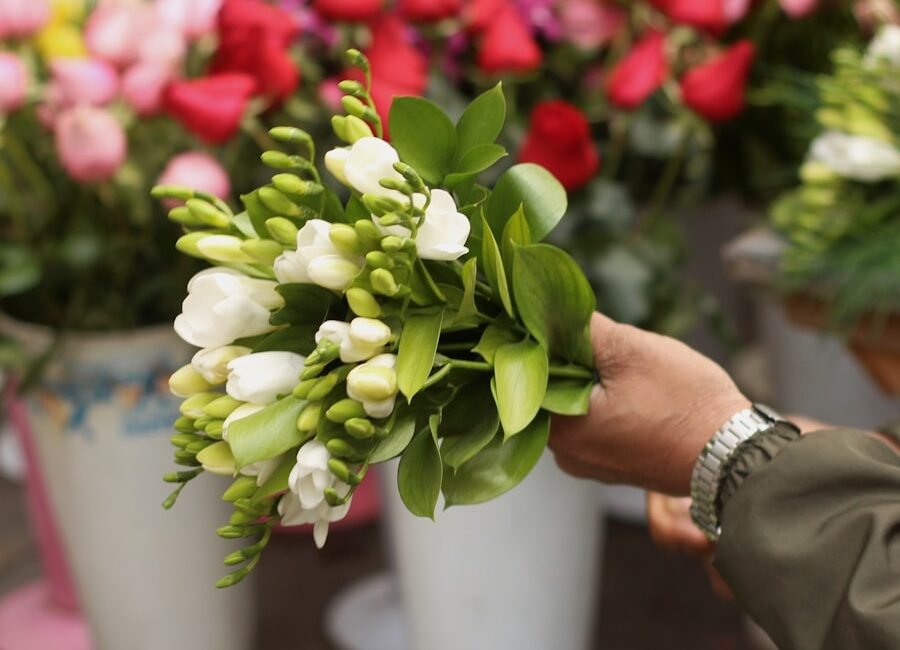

Flowers have been used as symbols for centuries, with each type of flower carrying its own unique meaning. For example, the rose is often associated with love and passion, while the lily is a symbol of purity and innocence. The symbolism of flowers can vary across different cultures and time periods, but the underlying message remains the same – flowers are a powerful way to convey emotions and sentiments without the need for words. In many cases, the color of the flower can also carry symbolic meaning, with red often representing love and passion, and white symbolizing purity and innocence. The symbolism of flowers has been used in art, literature, and religious ceremonies, making them a timeless and universal language of emotion.
Flowers can also be used to convey specific messages or sentiments. For example, a bouquet of red roses is often given as a romantic gesture, while a bouquet of white lilies may be used to express sympathy and condolences. In this way, flowers can be used as a form of non-verbal communication, allowing individuals to express their feelings in a meaningful and thoughtful way. The symbolism of flowers is deeply ingrained in human culture, and their ability to convey emotions and sentiments makes them an essential part of many special occasions and celebrations.
The Role of Flowers in Celebrating Special Dates
Flowers play a significant role in celebrating special dates such as birthdays, anniversaries, and holidays. They are often used to mark these occasions and add a touch of beauty and elegance to the festivities. For example, a bouquet of flowers may be given as a birthday gift to show love and appreciation for the recipient, while a floral arrangement may be used to decorate a venue for an anniversary celebration. Flowers are also commonly used to celebrate holidays such as Valentine’s Day, Mother’s Day, and Christmas, adding a festive and joyful atmosphere to these special days.
The role of flowers in celebrating special dates goes beyond their aesthetic appeal. They also carry symbolic meaning that can enhance the significance of the occasion. For example, red roses are often given on Valentine’s Day to symbolize love and passion, while poinsettias are used to decorate homes during the Christmas season, symbolizing joy and celebration. In this way, flowers not only add beauty to special occasions but also convey meaningful messages and sentiments that enhance the overall experience.
The Psychological Impact of Flowers on Memory
The presence of flowers has been shown to have a positive impact on memory and cognitive function. Studies have found that being in the presence of flowers can improve memory retention and cognitive performance. This is believed to be due to the positive emotions that flowers evoke, which can enhance cognitive processes such as attention, memory, and problem-solving. The sight and scent of flowers can trigger positive emotions and memories, leading to improved cognitive function and overall well-being.
The psychological impact of flowers on memory is also evident in their use in therapeutic settings. For example, floral arrangements are often used in hospitals and healthcare facilities to create a calming and uplifting environment for patients. The presence of flowers has been shown to reduce stress and anxiety, leading to improved patient outcomes. In addition, the use of flowers in memory care facilities has been found to have a positive impact on residents’ well-being, with studies showing that exposure to flowers can improve mood and cognitive function in individuals with dementia.
How Flowers Can Help Create Lasting Memories
Flowers have the power to create lasting memories that are deeply ingrained in our minds. The sight and scent of flowers can evoke powerful emotions and memories, making them an essential part of many significant life events. For example, the flowers used in a wedding bouquet or floral arrangements at a funeral can become lasting symbols of love and remembrance. The presence of flowers at important life events such as weddings, graduations, and funerals can create lasting memories that are cherished for years to come.
The ability of flowers to create lasting memories is also evident in their use in personal celebrations such as birthdays and anniversaries. The gift of flowers can become a cherished memory for the recipient, evoking feelings of love and appreciation each time they are seen or smelled. In this way, flowers have the power to create lasting memories that are deeply meaningful and significant.
The Connection Between Flowers and Emotional Significance
Flowers have a deep emotional significance that transcends language and culture. They have the power to evoke a wide range of emotions, from joy and happiness to love and sorrow. The sight and scent of flowers can trigger powerful emotional responses, making them an essential part of many significant life events. For example, the gift of flowers can convey love and appreciation, while the presence of flowers at a funeral can provide comfort and solace to those who are grieving.
The emotional significance of flowers is also evident in their use in personal celebrations such as birthdays, anniversaries, and holidays. The gift of flowers can convey heartfelt emotions and sentiments without the need for words, making them a powerful way to express love, gratitude, and sympathy. In this way, flowers have a deep emotional significance that enriches our lives and enhances the meaning of special occasions.
The Cultural and Historical Significance of Flowers in Special Occasions
Flowers have played a significant role in cultural and historical traditions around the world. They have been used in religious ceremonies, weddings, funerals, and other significant life events for centuries, carrying deep cultural and historical significance. For example, in many Asian cultures, the lotus flower is revered as a symbol of purity and enlightenment, while in Western cultures, the rose is often associated with love and passion. The use of flowers in special occasions is deeply rooted in cultural traditions and historical practices that have been passed down through generations.
The cultural and historical significance of flowers in special occasions is also evident in their use in art, literature, and folklore. Flowers have been depicted in paintings, poetry, and stories as symbols of beauty, love, and spirituality. They have also been used as offerings in religious ceremonies and rituals, symbolizing purity and devotion. In this way, flowers have played a central role in cultural and historical traditions around the world, carrying deep symbolic meaning that enriches our understanding of different cultures and time periods.
Tips for Choosing the Right Flowers for Meaningful Occasions
When choosing flowers for meaningful occasions, it is important to consider the symbolic meaning of different types of flowers and their colors. For example, red roses are often associated with love and passion, making them an ideal choice for romantic gestures such as Valentine’s Day or anniversaries. On the other hand, white lilies are often used to convey sympathy and condolences, making them a thoughtful choice for funerals or expressions of support during difficult times.
It is also important to consider the recipient’s personal preferences when choosing flowers for meaningful occasions. Some individuals may have a favorite type of flower or color that holds special significance for them, making it meaningful to incorporate these preferences into the floral arrangement or bouquet. Additionally, considering the overall theme or atmosphere of the occasion can help guide the selection of flowers that will enhance the significance of the event.
In conclusion, flowers hold deep symbolic meaning that transcends language and culture. They play a significant role in celebrating special dates such as birthdays, anniversaries, and holidays, adding beauty and emotional significance to these occasions. The psychological impact of flowers on memory has been well-documented, with studies showing that being in the presence of flowers can improve cognitive function and overall well-being. Flowers have the power to create lasting memories that are deeply meaningful and significant, evoking powerful emotions that enrich our lives. Their cultural and historical significance in special occasions is evident in their use in religious ceremonies, weddings, funerals, art, literature, and folklore. When choosing flowers for meaningful occasions, it is important to consider their symbolic meaning as well as the recipient’s personal preferences to create a thoughtful and meaningful gesture.