
For many people, the arrival of spring brings with it the beauty of blooming flowers and the joy of spending time outdoors. However, for those who suffer from allergies, the sight of flowers can also bring dread and discomfort. Allergies to pollen and other plant materials can cause sneezing, itchy eyes, and other unpleasant symptoms that can make it difficult to enjoy the beauty of nature. Fortunately, there are allergy-friendly flowers that can be enjoyed without triggering allergic reactions. These flowers are specially bred to produce minimal amounts of pollen or have other characteristics that make them less likely to cause allergies. In this article, we will explore the world of allergy-friendly flowers, including their characteristics, top fragrant options, and tips for incorporating them into your garden.
Characteristics of Non-Allergenic Flowers
Non-allergenic flowers are those that produce minimal amounts of pollen or have other characteristics that make them less likely to cause allergic reactions. Some of the key characteristics of non-allergenic flowers include low pollen production, a lack of strong fragrance, and the absence of irritating plant materials such as sap or thorns. Low pollen production is perhaps the most important characteristic of non-allergenic flowers, as pollen is a common trigger for allergies. Flowers with large, showy blooms are often less likely to cause allergies, as their pollen is heavier and less likely to become airborne. Additionally, flowers with a lack of strong fragrance are less likely to cause allergic reactions, as many allergies are triggered by the volatile organic compounds found in fragrant flowers. Finally, flowers with smooth stems and leaves, as well as those without irritating plant materials such as sap or thorns, are less likely to cause skin irritation or other allergic reactions.
Top 5 Fragrant Flowers That Won’t Cause Sneezing
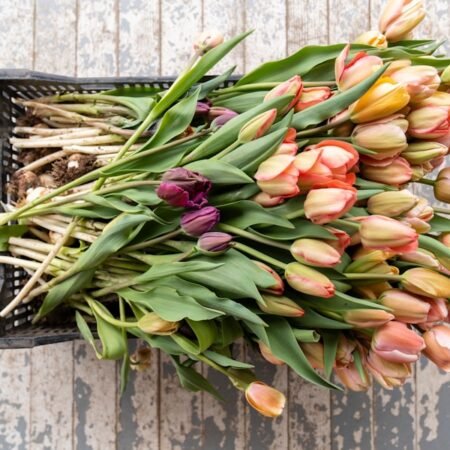
While many people assume that all fragrant flowers are likely to cause allergies, there are actually several options for fragrant flowers that are less likely to trigger allergic reactions. Some of the top fragrant flowers that won’t cause sneezing include roses, daffodils, tulips, peonies, and hydrangeas. Roses are known for their beautiful scent and are available in a wide range of colors and varieties. Daffodils and tulips are both spring-blooming flowers that add a pop of color and fragrance to any garden. Peonies are known for their large, showy blooms and sweet fragrance, while hydrangeas offer a delicate, sweet scent that is perfect for adding a touch of fragrance to any outdoor space. By choosing these fragrant flowers with low allergenic potential, you can enjoy the beauty and aroma of flowers without the discomfort of allergies.
How to Incorporate Allergy-Friendly Flowers into Your Garden
Incorporating allergy-friendly flowers into your garden is a great way to enjoy the beauty of nature without triggering allergic reactions. When choosing allergy-friendly flowers for your garden, it’s important to consider factors such as bloom time, color, and size. By selecting a variety of allergy-friendly flowers that bloom at different times throughout the year, you can ensure that your garden is always filled with color and fragrance. Additionally, choosing a mix of flower colors and sizes can help create visual interest and add depth to your garden. When planting allergy-friendly flowers, be sure to give them plenty of space to grow and thrive. Proper spacing will help prevent overcrowding and allow each plant to receive the sunlight and nutrients it needs to flourish. Finally, consider incorporating allergy-friendly flowers into mixed borders or container gardens to add a touch of fragrance and beauty to any outdoor space.
Tips for Choosing and Caring for Allergy-Friendly Flowers
When choosing allergy-friendly flowers for your garden, it’s important to consider factors such as your local climate, soil type, and sun exposure. Some allergy-friendly flowers may be better suited to certain growing conditions than others, so be sure to research the specific needs of each flower before making your selections. Additionally, when caring for allergy-friendly flowers, it’s important to provide them with the proper care and maintenance they need to thrive. This may include regular watering, fertilizing, and pruning as needed. Be sure to also keep an eye out for any signs of pests or disease, as addressing these issues promptly can help prevent damage to your plants. Finally, consider incorporating natural pest control methods such as companion planting or using beneficial insects to help keep your garden healthy and thriving.
Other Allergy-Friendly Alternatives for Fragrance
In addition to allergy-friendly flowers, there are several other options for adding fragrance to your outdoor space without triggering allergic reactions. Some alternatives for fragrance include herbs such as lavender, mint, and chamomile, as well as fragrant shrubs like lilac and viburnum. Herbs are not only fragrant but also have culinary uses and can attract beneficial insects to your garden. Fragrant shrubs add height and structure to your garden while providing beautiful blooms and delightful scents. Additionally, consider incorporating fragrant groundcovers such as sweet woodruff or thyme to add a touch of fragrance at ground level. By choosing these allergy-friendly alternatives for fragrance, you can create a beautiful and aromatic outdoor space without the discomfort of allergies.
Enjoying Beautiful Fragrant Flowers Without the Sneezing
In conclusion, allergy-friendly flowers offer a wonderful way to enjoy the beauty and fragrance of nature without triggering allergic reactions. By choosing non-allergenic flowers with low pollen production and minimal fragrance, you can create a stunning garden that is free from sneezing and discomfort. When incorporating allergy-friendly flowers into your garden, be sure to consider factors such as bloom time, color, and size to create a visually appealing outdoor space. Additionally, caring for allergy-friendly flowers with proper watering, fertilizing, and pest control will help ensure that they thrive in your garden. Finally, consider incorporating other allergy-friendly alternatives for fragrance such as herbs and fragrant shrubs to add variety and depth to your outdoor space. With these tips in mind, you can create a beautiful and fragrant garden that can be enjoyed by everyone, allergy-free.

Other Articles
DIY Floral Wreath: The Perfect Gift for Every Occasion