
Flowers have been used in meditation practices for centuries, and for good reason. They have the ability to evoke a sense of peace, tranquility, and beauty, making them the perfect addition to any meditation space. The presence of flowers can help create a calming and serene atmosphere, allowing practitioners to focus their minds and connect with their inner selves more easily. The natural beauty and fragrance of flowers can also help to uplift the spirit and promote a sense of well-being, making them an essential element in the practice of meditation.
In addition to their aesthetic appeal, flowers also have a symbolic significance in many cultures and traditions. They are often associated with qualities such as purity, love, and enlightenment, making them a powerful tool for deepening one’s meditation practice. By incorporating flowers into your meditation space, you can create a sacred and harmonious environment that is conducive to inner reflection and spiritual growth. Whether you choose to use fresh flowers, dried flowers, or flower essences, their presence can greatly enhance the overall meditation experience.
Selecting Flowers Based on Their Symbolism and Meaning
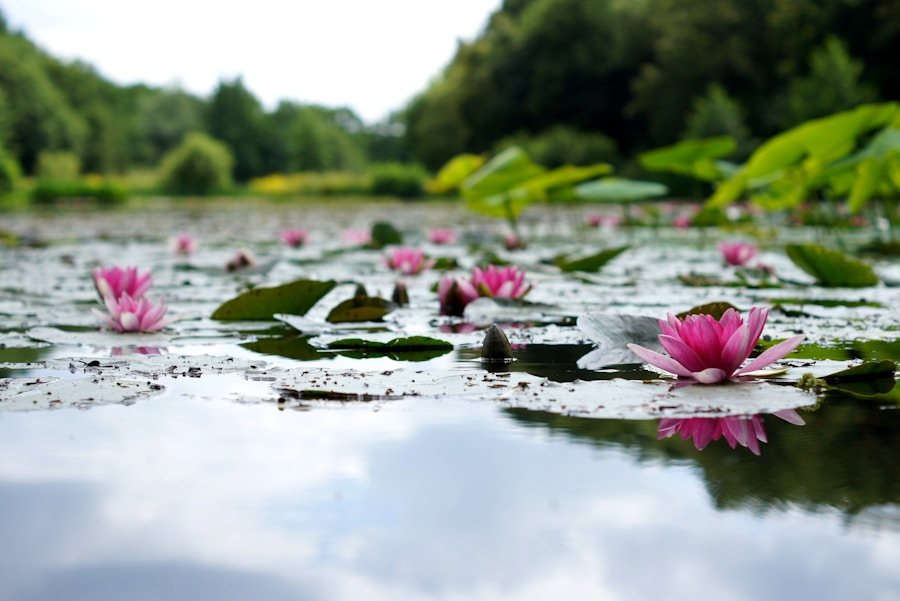
When selecting flowers for your meditation space, it is important to consider their symbolism and meaning. Different flowers are associated with different qualities and emotions, so choosing the right ones can help to create a specific atmosphere that aligns with your meditation goals. For example, roses are often associated with love and compassion, making them a great choice for promoting feelings of kindness and empathy during meditation. On the other hand, lotus flowers are often used to symbolize purity and enlightenment, making them a popular choice for those seeking spiritual growth and self-discovery.
In addition to their symbolic meanings, the colors of flowers can also have a significant impact on the energy of a meditation space. For example, white flowers are often associated with purity and clarity, while red flowers are often associated with passion and vitality. By carefully selecting flowers based on their symbolism and color, you can create a harmonious and balanced environment that supports your meditation practice. Whether you choose to use a single type of flower or a combination of different varieties, the key is to select ones that resonate with you on a personal level and contribute to the overall energy of your meditation space.
Considering the Aesthetic and Color Scheme of Your Meditation Room
In addition to the symbolic and emotional significance of flowers, it is also important to consider the aesthetic and color scheme of your meditation room when selecting flowers. The overall design and decor of the space should complement the presence of flowers, creating a cohesive and visually appealing environment that enhances the meditation experience. Consider the existing color palette and style of your meditation room when choosing flowers, and select ones that will complement and enhance the overall aesthetic.
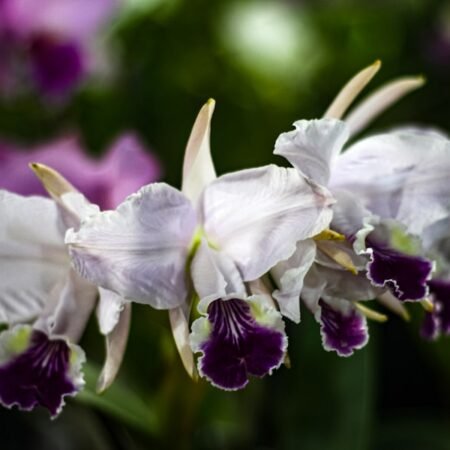
For example, if your meditation room has a minimalist and modern design, you may want to choose simple and elegant flowers such as lilies or orchids. On the other hand, if your meditation room has a more traditional or eclectic style, you may want to opt for more vibrant and colorful flowers such as sunflowers or daisies. By carefully considering the aesthetic and color scheme of your meditation room, you can ensure that the presence of flowers adds to the overall ambiance and energy of the space.
Choosing Low-Maintenance Flowers for Your Meditation Space
When selecting flowers for your meditation space, it is important to choose varieties that are low-maintenance and easy to care for. The last thing you want is to be distracted from your meditation practice by having to constantly tend to your flowers. Look for flowers that require minimal watering and maintenance, such as succulents or air plants, which can thrive in low-light conditions and do not require frequent watering.
In addition to low-maintenance options, consider choosing flowers that have a long vase life or can be easily dried for long-term use. This will allow you to enjoy the beauty and fragrance of your chosen flowers for an extended period of time without having to constantly replace them. By selecting low-maintenance flowers for your meditation space, you can ensure that they enhance your practice without becoming a source of stress or distraction.
Incorporating Aromatherapy with Fragrant Flowers
In addition to their visual beauty, many flowers also have a delightful fragrance that can enhance the meditation experience through aromatherapy. The use of fragrant flowers in meditation spaces can help to create a calming and soothing atmosphere that promotes relaxation and mental clarity. Certain scents, such as lavender or jasmine, are known for their calming and stress-relieving properties, making them ideal choices for meditation spaces.
Incorporating fragrant flowers into your meditation space can be as simple as placing a small bouquet on your meditation altar or using essential oils derived from flowers in a diffuser. The gentle aroma of these flowers can help to create a peaceful and tranquil environment that supports deep relaxation and inner reflection during meditation. By incorporating aromatherapy with fragrant flowers into your meditation practice, you can enhance the overall sensory experience and promote a greater sense of well-being.
Creating a Balanced and Harmonious Flower Arrangement
When arranging flowers in your meditation space, it is important to create a balanced and harmonious composition that complements the energy of the room. Consider the size, shape, and color of the flowers you choose, and arrange them in a way that feels natural and organic. Avoid overcrowding the space with too many flowers, as this can create a sense of clutter and overwhelm. Instead, opt for a simple and elegant arrangement that allows each flower to shine on its own.
Consider using different heights and textures to create visual interest in your flower arrangement, and be mindful of how the arrangement interacts with other elements in the room such as furniture or decor. The goal is to create a cohesive and harmonious composition that enhances the overall energy of the meditation space without overpowering it. By taking the time to create a balanced flower arrangement, you can ensure that it contributes positively to your meditation practice.
Tips for Caring for and Maintaining Your Meditation Room Flowers
Once you have selected and arranged flowers in your meditation space, it is important to care for them properly in order to maintain their beauty and fragrance. Be sure to change the water in vases regularly and trim the stems of fresh flowers every few days to prolong their vase life. If you are using dried flowers or flower essences, be sure to store them in a cool, dry place away from direct sunlight to preserve their quality.
In addition to regular maintenance, consider incorporating mindfulness into caring for your meditation room flowers. Take a few moments each day to appreciate the beauty and fragrance of the flowers, and use this time as an opportunity for reflection and gratitude. By caring for your flowers mindfully, you can deepen your connection with nature and enhance the overall energy of your meditation space.
In conclusion, the presence of flowers in a meditation space can greatly enhance the overall experience by creating a calming and harmonious environment that supports inner reflection and spiritual growth. By carefully selecting flowers based on their symbolism, meaning, aesthetic appeal, and fragrance, you can create a meditation space that is conducive to deep relaxation and mental clarity. With proper care and maintenance, your chosen flowers can continue to enhance your meditation practice for an extended period of time, allowing you to reap the benefits of their beauty and energy.