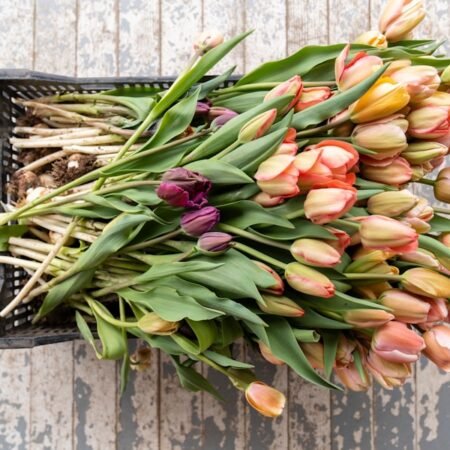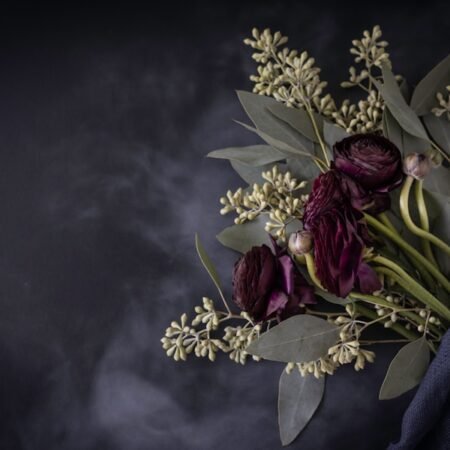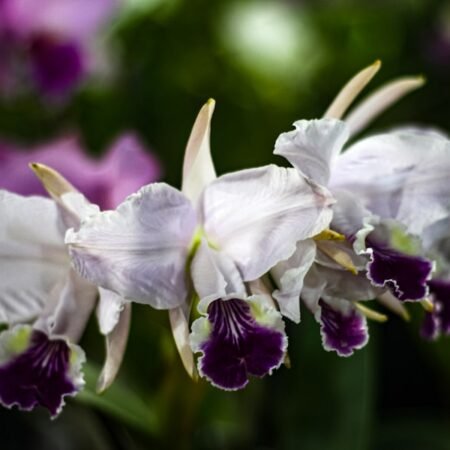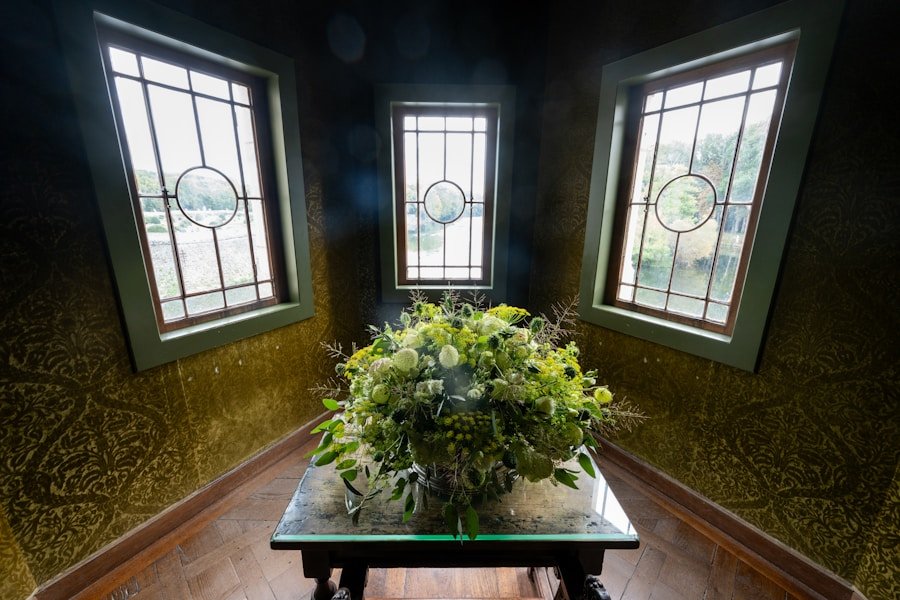

When it comes to selecting the right flowers for a floral arrangement, there are a few key factors to consider. First and foremost, it’s important to think about the occasion for which the arrangement is being created. For example, if the arrangement is for a romantic anniversary, you may want to choose flowers that are traditionally associated with love and romance, such as roses or lilies. On the other hand, if the arrangement is for a more somber occasion, such as a funeral or memorial service, you may want to opt for more subdued and elegant flowers, such as white lilies or orchids.
In addition to considering the occasion, it’s also important to think about the color scheme and overall aesthetic of the arrangement. If the arrangement is meant to be a centerpiece for a dinner party, you may want to choose flowers that complement the table linens and other decor. On the other hand, if the arrangement is meant to be a gift for a friend or loved one, you may want to choose flowers that reflect their personal style and preferences. Ultimately, the key to selecting the right flowers for a floral arrangement is to consider the occasion, color scheme, and overall aesthetic in order to create a cohesive and visually appealing design.
Gathering Necessary Tools and Materials
Once you have selected the right flowers for your arrangement, it’s time to gather the necessary tools and materials to bring your vision to life. Some essential tools for floral arranging include a sharp pair of floral shears or scissors, floral tape, floral foam or a vase, and any additional accents or embellishments you may want to include in the arrangement. It’s also important to have a clean work surface and plenty of space to spread out and organize your materials.
In addition to these basic tools, you may also want to consider investing in some specialized tools for more advanced floral arranging techniques, such as wire cutters, floral wire, and floral adhesive. These tools can be especially useful for creating more intricate and elaborate arrangements, such as cascading bouquets or floral crowns. Ultimately, having the right tools and materials on hand is essential for bringing your floral arrangement to life and ensuring that it looks polished and professional.
Preparing the Flowers for Arrangement
Before you begin assembling your floral arrangement, it’s important to take the time to properly prepare the flowers. This includes removing any excess foliage or thorns from the stems, trimming the stems at an angle to ensure optimal water absorption, and removing any wilted or damaged petals or leaves. It’s also important to give the flowers a fresh cut at the base of the stem just before placing them in water or floral foam.
In addition to preparing the individual flowers, it’s also important to consider how they will interact with each other within the arrangement. This may involve grouping similar flowers together for a more cohesive look, or strategically placing contrasting colors and textures to create visual interest. It’s also important to consider the overall shape and structure of the arrangement, ensuring that it is balanced and visually appealing from all angles. By taking the time to properly prepare the flowers for arrangement, you can ensure that they look their best and have a longer vase life once they are placed in water.
Creating a Stunning and Balanced Arrangement
Once you have gathered your tools and materials and prepared your flowers, it’s time to start creating your floral arrangement. One key consideration when creating a stunning and balanced arrangement is the concept of focal points. This involves selecting one or more key elements within the arrangement that draw the eye and create visual interest. This could be a particularly striking flower or an unexpected pop of color or texture.
In addition to focal points, it’s also important to consider the overall shape and structure of the arrangement. This may involve creating a symmetrical design with evenly distributed flowers and foliage, or opting for a more asymmetrical look with varying heights and textures. It’s also important to consider the scale of the arrangement in relation to its intended setting – for example, a large-scale arrangement may be more appropriate for a grand event or venue, while a smaller-scale arrangement may be better suited for a more intimate setting.
Ultimately, creating a stunning and balanced arrangement involves careful consideration of focal points, shape, structure, and scale in order to create a visually appealing design that complements its surroundings.
Adding Personal Touches and Accents
Once you have created the basic structure of your floral arrangement, it’s time to add personal touches and accents to make it truly unique. This could involve incorporating meaningful elements such as family heirlooms or sentimental trinkets into the arrangement, or adding unexpected accents such as feathers, ribbons, or crystals for an extra touch of glamour.
In addition to these personal touches, it’s also important to consider how the arrangement will be displayed and how it will interact with its surroundings. This may involve adding additional foliage or greenery to fill out the design and create a more cohesive look, or incorporating elements such as candles or votives for added ambiance.
Ultimately, adding personal touches and accents to your floral arrangement is an opportunity to infuse it with your own personal style and creativity, making it truly one-of-a-kind.
Properly Packaging and Presenting the Arrangement
Once your floral arrangement is complete, it’s important to take the time to properly package and present it in order to ensure that it looks its best when it reaches its intended recipient. This may involve carefully wrapping the stems in tissue paper or cellophane to protect them during transport, or securing them in a sturdy vase or container to prevent them from shifting or tipping over.
In addition to packaging the arrangement itself, it’s also important to consider how it will be presented. This could involve placing it in a decorative basket or container, or arranging it on a tray or platter with additional accents such as candles or greenery. It’s also important to consider how the arrangement will be transported – for example, if it will be traveling in a car, it’s important to secure it in a way that prevents it from shifting or tipping over.
Ultimately, properly packaging and presenting your floral arrangement is essential for ensuring that it looks its best when it reaches its intended destination.
Caring for and Extending the Life of the Arrangement
Once your floral arrangement has been packaged and presented, it’s important to take steps to care for it in order to extend its vase life. This may involve placing it in a cool location out of direct sunlight, regularly changing the water and trimming the stems at an angle every few days, and removing any wilted or damaged flowers or foliage as needed.
In addition to these basic care tips, there are also some additional steps you can take to extend the life of your floral arrangement. For example, adding flower food to the water can help nourish the flowers and keep them looking fresh for longer. You can also mist the flowers with water periodically to keep them hydrated and looking their best.
Ultimately, caring for your floral arrangement is essential for ensuring that it looks its best for as long as possible, allowing you and its recipient to enjoy its beauty for days or even weeks to come.

Other Articles