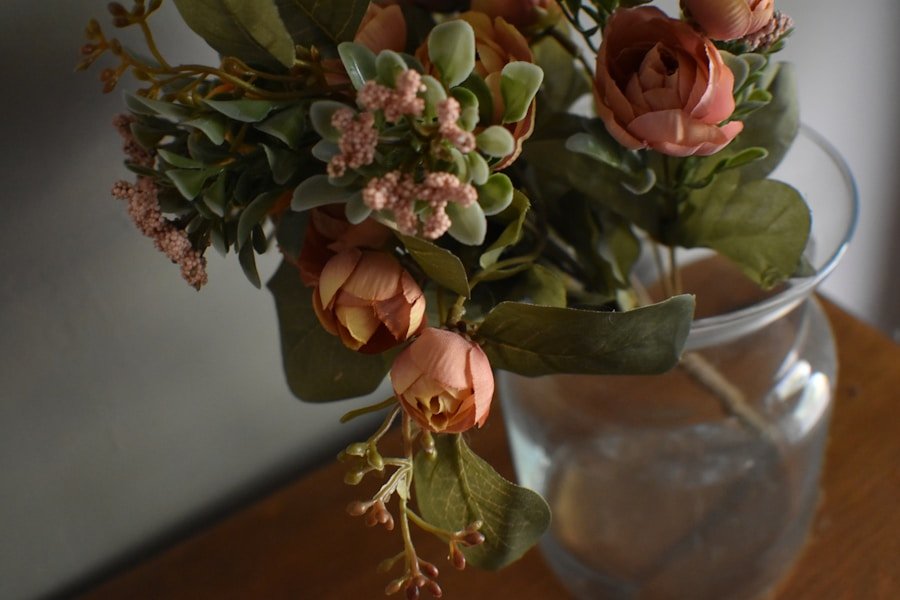

Ikebana, the Japanese art of flower arrangement, has a rich history dating back to the 6th century when Buddhism was first introduced to Japan. Originally, Ikebana was practiced by Buddhist monks who would offer flowers to the spirits of the dead. Over time, Ikebana evolved into a form of artistic expression, with practitioners using flowers and other natural elements to create harmonious and balanced arrangements. The philosophy behind Ikebana is deeply rooted in the principles of simplicity, asymmetry, and the use of empty space to create a sense of harmony and tranquility. This art form is not just about arranging flowers, but also about appreciating the beauty of nature and finding inner peace through the act of creating something beautiful.
In addition to its historical significance, Ikebana has also played a crucial role in shaping Japanese culture and aesthetics. The art form has been deeply intertwined with traditional Japanese architecture, interior design, and even tea ceremonies. Ikebana has also had a significant influence on Western art and design, with many artists and designers drawing inspiration from its principles of balance and harmony. Today, Ikebana continues to be a revered art form in Japan and around the world, with practitioners and enthusiasts celebrating its timeless beauty and cultural significance.
The Modern Interpretation of Ikebana
In recent years, Ikebana has experienced a resurgence in popularity as people seek out meaningful and sustainable ways to connect with nature and express their creativity. Modern interpretations of Ikebana have expanded beyond traditional Japanese aesthetics, incorporating a wide range of floral styles and design techniques. Contemporary Ikebana artists are experimenting with new materials, colors, and textures to create innovative and thought-provoking arrangements that reflect the changing world around us. This modern approach to Ikebana has made the art form more accessible to a wider audience, attracting a new generation of enthusiasts who are drawn to its meditative and mindful qualities.
One of the key aspects of modern Ikebana is its emphasis on sustainability and environmental consciousness. Many practitioners are now using locally sourced and seasonal flowers, as well as recycled or biodegradable materials, to create their arrangements. This eco-friendly approach not only aligns with the traditional principles of Ikebana but also reflects a growing awareness of the importance of preserving the natural world. As a result, Ikebana has become a symbol of mindful living and a way for individuals to connect with nature in a meaningful and sustainable way.
Ikebana as a Unique Gift Idea
Ikebana arrangements make for a unique and thoughtful gift idea for any occasion. Whether it’s a birthday, anniversary, or a simple gesture of appreciation, giving someone an Ikebana arrangement is a meaningful way to show that you care. Unlike traditional bouquets, Ikebana arrangements are carefully crafted to convey a specific message or emotion, making them a truly personal and heartfelt gift. The artful composition of flowers and natural elements in an Ikebana arrangement can evoke a sense of tranquility, beauty, and harmony, creating a lasting impression on the recipient.
Moreover, Ikebana arrangements can be customized to suit the recipient’s taste and preferences, making them a versatile gift option for anyone. Whether it’s a minimalist and modern design or a more traditional and elaborate arrangement, there is an Ikebana style to suit every individual’s unique aesthetic. Additionally, the longevity of Ikebana arrangements makes them a practical and sustainable gift choice, as they can be enjoyed for much longer than traditional bouquets. By giving the gift of Ikebana, you are not only expressing your love and appreciation but also sharing the beauty and serenity of this ancient art form with your loved ones.
The Art of Ikebana: Techniques and Styles
Ikebana is a highly disciplined art form that requires careful attention to detail and an understanding of balance and harmony. There are various techniques and styles of Ikebana, each with its own set of rules and principles that govern the arrangement of flowers and natural elements. One of the most well-known styles is the traditional Rikka style, which features tall and elegant compositions that symbolize natural landscapes such as mountains, rivers, and forests. Another popular style is the Nageire style, characterized by its free-form and asymmetrical arrangements that emphasize the beauty of individual flowers and branches.
In addition to these traditional styles, modern interpretations of Ikebana have given rise to new techniques and approaches that push the boundaries of the art form. Contemporary Ikebana artists often incorporate unconventional materials such as wire, fabric, or even found objects into their arrangements, creating striking and avant-garde compositions that challenge traditional notions of beauty and balance. Regardless of the style or technique used, the art of Ikebana requires patience, precision, and a deep appreciation for nature’s inherent beauty.
Ikebana for Special Occasions
Ikebana arrangements are perfect for special occasions such as weddings, birthdays, or corporate events, adding an elegant and sophisticated touch to any celebration. Whether it’s a grand centerpiece for a wedding reception or a simple yet striking arrangement for a birthday party, Ikebana can elevate the ambiance of any event with its timeless beauty and grace. The artful composition of flowers in an Ikebana arrangement can create a sense of tranquility and harmony, providing a serene backdrop for any occasion.
Moreover, Ikebana arrangements can be customized to suit the theme and style of any event, making them a versatile choice for event planners and hosts. From minimalist and modern designs to more elaborate and traditional arrangements, there is an Ikebana style to suit every occasion. Additionally, the longevity of Ikebana arrangements makes them a practical choice for events, as they can be enjoyed for much longer than traditional floral arrangements. By incorporating Ikebana into special occasions, you are not only adding a touch of elegance and sophistication but also sharing the timeless beauty of this ancient art form with your guests.
Ikebana: A Sustainable and Eco-Friendly Gift Option
In today’s world where sustainability is becoming increasingly important, Ikebana offers a unique and eco-friendly gift option that aligns with mindful living and environmental consciousness. Unlike traditional bouquets that often use imported or non-seasonal flowers, Ikebana arrangements prioritize locally sourced and seasonal blooms, reducing the carbon footprint associated with flower production and transportation. Additionally, many Ikebana practitioners use recycled or biodegradable materials in their arrangements, further minimizing their impact on the environment.
Furthermore, the longevity of Ikebana arrangements makes them a sustainable choice for gift-giving. Unlike traditional bouquets that wilt within days, Ikebana arrangements can last for weeks or even months with proper care. This not only reduces waste but also allows the recipient to enjoy the beauty of their gift for an extended period. By choosing Ikebana as a gift option, you are not only expressing your love and appreciation but also contributing to a more sustainable and eco-friendly way of living.
Finding the Perfect Ikebana Arrangement for Your Loved Ones
When it comes to finding the perfect Ikebana arrangement for your loved ones, there are several factors to consider to ensure that your gift is both meaningful and personal. First and foremost, consider the recipient’s taste and preferences when choosing an Ikebana style or design. Whether they prefer minimalist and modern arrangements or more traditional and elaborate compositions, there is an Ikebana style to suit every individual’s unique aesthetic.
Additionally, consider the occasion for which you are giving the Ikebana arrangement. For example, if it’s a birthday or anniversary, you may want to choose an arrangement that reflects the recipient’s personality or conveys a specific message or emotion. On the other hand, if it’s for a corporate event or formal gathering, you may want to opt for a more sophisticated and elegant design that complements the ambiance of the occasion.
Finally, consider the longevity of the arrangement when choosing an Ikebana gift. While traditional bouquets wilt within days, Ikebana arrangements can last for much longer with proper care, allowing the recipient to enjoy their gift for an extended period. By taking these factors into consideration, you can find the perfect Ikebana arrangement that will truly resonate with your loved ones and make a lasting impression.
In conclusion, Ikebana is not just an art form but also a way of life that celebrates nature’s inherent beauty and promotes mindfulness and harmony. Its rich history, modern interpretation, sustainability, and versatility make it an ideal gift option for any occasion. Whether it’s for a special event or simply to show someone you care, giving the gift of Ikebana is a meaningful way to share the timeless beauty of this ancient art form with your loved ones.