
Flowers have long been used as a powerful tool for seeking forgiveness. The beauty and fragrance of flowers have a way of softening hearts and conveying emotions in a way that words alone cannot. Whether it’s a simple apology or a heartfelt plea for forgiveness, the act of giving flowers can speak volumes. The gesture of presenting flowers can show sincerity, remorse, and a desire to make amends. It is a tangible way to express regret and ask for forgiveness, and it can help to bridge the gap between two people who are at odds with each other.
In many cultures, the act of giving flowers is seen as a gesture of peace and reconciliation. The act of presenting flowers can be a way to show humility and vulnerability, which are important elements in seeking forgiveness. Flowers have the power to soften even the hardest of hearts and can serve as a symbol of hope for reconciliation. Whether it’s a single stem or a lavish bouquet, the act of giving flowers can be a meaningful step in the process of seeking forgiveness.
Symbolism and Meaning Behind Different Flowers
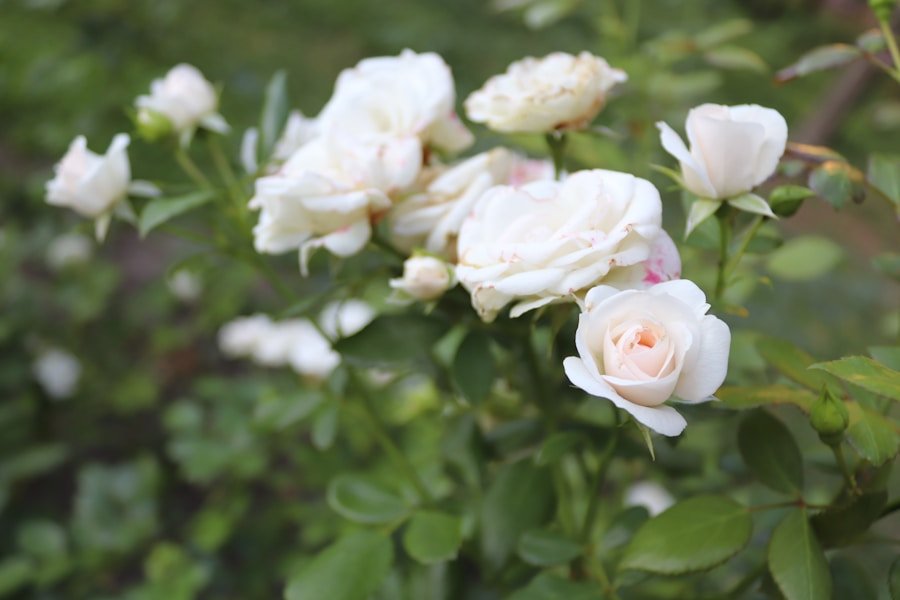
Different flowers hold different meanings and symbolism, making them powerful tools for expressing emotions and seeking forgiveness. For example, the rose is often associated with love and romance, but it can also symbolize apology and forgiveness. The white rose, in particular, is often used to convey sincere regret and a desire for forgiveness. Similarly, the lily is often associated with purity and renewal, making it a fitting choice for seeking forgiveness and reconciliation.
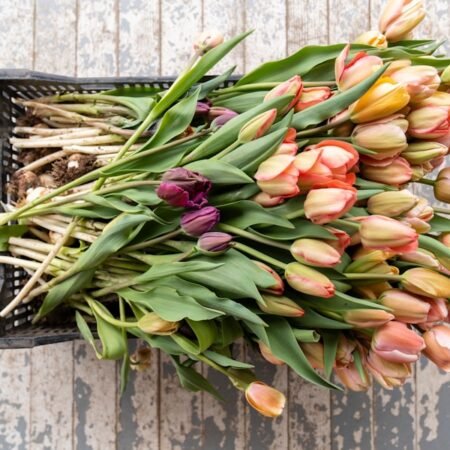
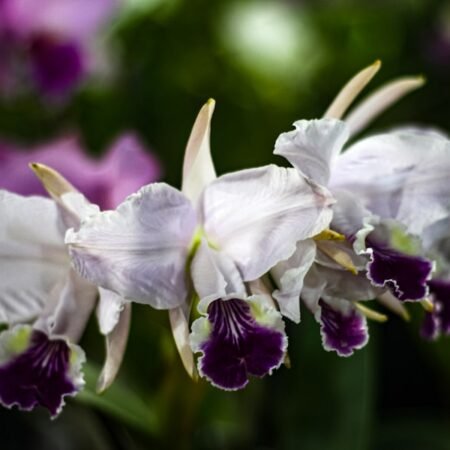
Other flowers, such as the orchid and the tulip, also hold significant meanings that can be used to convey remorse and seek forgiveness. The orchid is often associated with elegance and grace, making it a fitting choice for expressing sincere regret. The tulip, on the other hand, is often associated with new beginnings and forgiveness, making it a meaningful choice for seeking reconciliation. By understanding the meanings behind different flowers, you can choose the right blooms to convey your emotions and seek forgiveness in a meaningful way.
How to Choose the Right Flowers for Apologizing
When choosing flowers to apologize, it’s important to consider the recipient’s preferences and the message you want to convey. If you’re seeking forgiveness from a romantic partner, you may want to choose flowers that are traditionally associated with love and romance, such as roses or peonies. If you’re seeking forgiveness from a friend or family member, you may want to choose flowers that hold personal significance to them, such as their favorite blooms or flowers that hold special memories.
It’s also important to consider the color of the flowers when choosing blooms to apologize. White flowers are often associated with purity and sincerity, making them a fitting choice for seeking forgiveness. Similarly, pastel-colored flowers can convey a sense of gentleness and sincerity, making them a meaningful choice for expressing regret. By taking the time to choose the right flowers for apologizing, you can show that you’ve put thought and care into your gesture, which can make it all the more meaningful.
The Best Flowers for Expressing Sincere Regret
When it comes to expressing sincere regret through flowers, there are several blooms that are particularly well-suited for the task. The white rose is often considered one of the best flowers for expressing regret and seeking forgiveness. Its pure color and delicate petals can convey sincerity and humility, making it a powerful choice for apologizing. Similarly, the lily is often associated with renewal and purity, making it a fitting choice for expressing sincere regret.
Other flowers that are well-suited for expressing sincere regret include the orchid and the hydrangea. The orchid’s elegant beauty and graceful appearance can convey a sense of humility and remorse, while the hydrangea’s delicate blooms can symbolize heartfelt apologies and a desire for reconciliation. By choosing flowers that are well-suited for expressing sincere regret, you can convey your emotions in a meaningful and powerful way.
Flowers that Signify Reconciliation and Healing
In addition to expressing regret and seeking forgiveness, flowers can also be used to signify reconciliation and healing. The act of giving flowers can be a powerful way to extend an olive branch and show a willingness to mend relationships. Flowers such as the olive branch itself, which symbolizes peace and reconciliation, can be a meaningful choice for expressing a desire to heal rifts and move forward. Similarly, the daisy is often associated with innocence and purity, making it a fitting choice for symbolizing a fresh start and a desire for reconciliation.
Other flowers that signify reconciliation and healing include the forget-me-not and the iris. The forget-me-not’s name alone conveys a desire to mend relationships and move forward, while the iris’s vibrant colors can symbolize hope and healing. By choosing flowers that signify reconciliation and healing, you can show that you are committed to repairing relationships and moving forward in a positive way.
Tips for Presenting the Flowers in a Meaningful Way
When presenting flowers as a gesture of seeking forgiveness or reconciliation, it’s important to do so in a meaningful way. Consider presenting the flowers in person, if possible, so that you can convey your emotions through your words as well as through the blooms themselves. Take the time to explain why you chose the particular flowers you’re giving, and express your sincere regret or desire for reconciliation in a heartfelt manner.
If presenting the flowers in person isn’t possible, consider sending them with a thoughtful note that conveys your emotions and intentions. Take the time to write a personal message that explains why you’re giving the flowers and expresses your sincere regret or desire for reconciliation. By presenting the flowers in a meaningful way, you can show that you’ve put thought and care into your gesture, which can make it all the more powerful.
The Importance of a Personal Note with the Flower Gift
In addition to presenting the flowers in person or with a thoughtful note, it’s important to include a personal message with the flower gift. A personal note can convey your emotions in a more intimate way than the flowers alone, allowing you to express your regret or desire for reconciliation in your own words. Take the time to write a heartfelt message that explains why you’re giving the flowers and expresses your sincere regret or desire for reconciliation.
In your personal note, be sure to express your emotions honestly and openly, without making excuses or placing blame on the recipient. Instead, focus on conveying your regret or desire for reconciliation in a sincere and humble manner. By including a personal note with the flower gift, you can show that you’ve put thought and care into your gesture, which can make it all the more meaningful. A personal note can also serve as a lasting reminder of your apology or plea for forgiveness, allowing the recipient to revisit your words whenever they need reassurance of your sincerity.