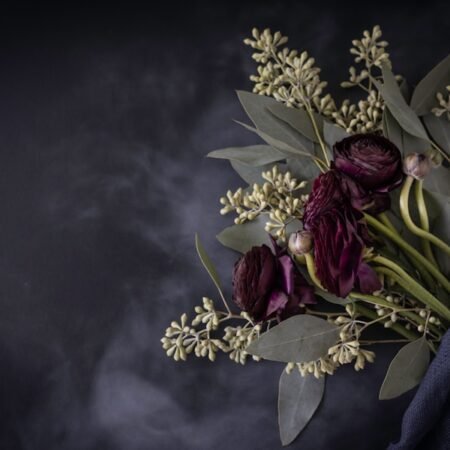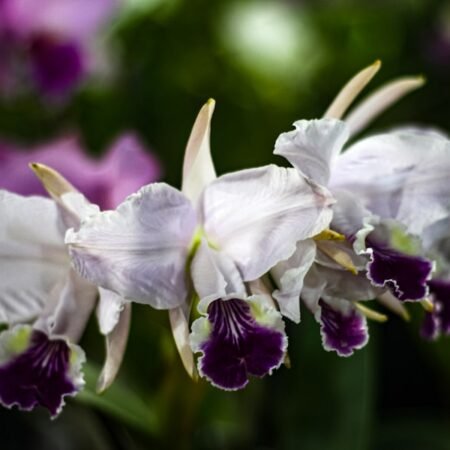

Violets have long been a symbol of love, faithfulness, and modesty in literature and visual arts. Their delicate, fragrant flowers have captured the imagination of poets, writers, and artists for centuries, inspiring countless works of art and literature. Violets are often associated with springtime and renewal, and their vibrant colors and sweet scent have made them a popular subject for artists throughout history. In literature, violets are often used as a symbol of love and beauty, appearing in poems, plays, and novels as a representation of the fleeting nature of love and the beauty of the natural world. In visual arts, violets have been depicted in paintings, sculptures, and other forms of art, often as a symbol of femininity, grace, and elegance.
Historical Significance of Violets as a Symbol
The historical significance of violets as a symbol dates back to ancient Greece and Rome, where they were associated with love and fertility. In Greek mythology, violets were said to have sprung from the blood of the goddess Aphrodite, making them a symbol of love and desire. In Roman mythology, violets were associated with Venus, the goddess of love and beauty, and were often used in love potions and rituals. Throughout history, violets have been used in various cultures and traditions as a symbol of love, faithfulness, and purity. In the Victorian era, violets were often used as a symbol of modesty and virtue, and were given as gifts to express love and affection. Today, violets continue to be a popular symbol in literature and visual arts, representing the enduring themes of love, beauty, and renewal.
Violets in Different Cultures and Traditions
Violets have held significance in various cultures and traditions around the world. In Japan, violets are associated with modesty and humility, and are often used in traditional tea ceremonies as a symbol of purity. In China, violets are seen as a symbol of loyalty and faithfulness, and are often given as gifts to express love and affection. In Christianity, violets are associated with the Virgin Mary and are often used in religious art as a symbol of her purity and grace. In the language of flowers, violets are often used to convey sentiments of love, faithfulness, and devotion. Whether used in wedding bouquets or given as a token of affection, violets continue to hold significance in various cultures and traditions around the world.
Violets in Poetry and Prose
Violets have been a popular subject in poetry and prose for centuries, often used as a symbol of love, beauty, and the natural world. In Shakespeare’s “Hamlet,” Ophelia distributes flowers to represent different emotions, giving violets to symbolize faithfulness. In “The Violet,” by Jane Taylor, the flower is described as “the emblem of faithfulness.” In “The Language of Flowers,” by Kate Greenaway, violets are said to represent “modesty.” Throughout history, violets have been used in poetry and prose to convey a range of emotions and themes, from love and beauty to faithfulness and purity. Their delicate flowers and sweet scent have made them a popular subject for writers seeking to capture the fleeting nature of love and the beauty of the natural world.
Violets in Visual Arts: Paintings and Sculptures
Violets have been a popular subject in visual arts for centuries, appearing in paintings, sculptures, and other forms of art as a symbol of femininity, grace, and elegance. In “Vase with Violets,” by Vincent van Gogh, the artist captures the vibrant colors and delicate petals of the flowers with bold brushstrokes and vivid colors. In “Violet Sarcophagus,” by Constantin Brancusi, the artist creates a sculpture that captures the graceful curves and delicate form of the flower. Throughout history, violets have been depicted in visual arts as a symbol of love, beauty, and renewal, inspiring countless works of art that capture their delicate beauty and sweet scent.
The Evolution of Violets as a Symbol over Time
The symbolism of violets has evolved over time, taking on different meanings in various cultures and traditions. In ancient Greece and Rome, violets were associated with love and fertility, while in the Victorian era they were seen as a symbol of modesty and virtue. Today, violets continue to be a popular symbol in literature and visual arts, representing enduring themes of love, beauty, and renewal. Their delicate flowers and sweet scent have made them a timeless symbol that continues to inspire artists and writers around the world.
The Enduring Symbolism of Violets
In conclusion, violets have long been a symbol of love, faithfulness, and modesty in literature and visual arts. Their historical significance dates back to ancient Greece and Rome, where they were associated with love and fertility. Throughout history, violets have held significance in various cultures and traditions around the world, representing themes of love, beauty, and renewal. In poetry and prose, violets have been used to convey a range of emotions and themes, from love and beauty to faithfulness and purity. In visual arts, violets have been depicted as a symbol of femininity, grace, and elegance, inspiring countless works of art that capture their delicate beauty and sweet scent. The symbolism of violets has evolved over time, taking on different meanings in various cultures and traditions. Today, violets continue to be a popular symbol that represents enduring themes of love, beauty, and renewal. Their delicate flowers and sweet scent have made them a timeless symbol that continues to inspire artists and writers around the world.