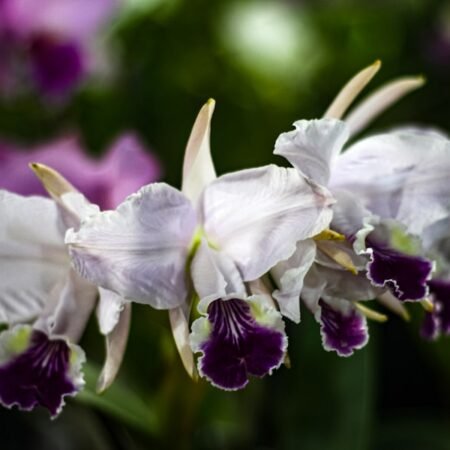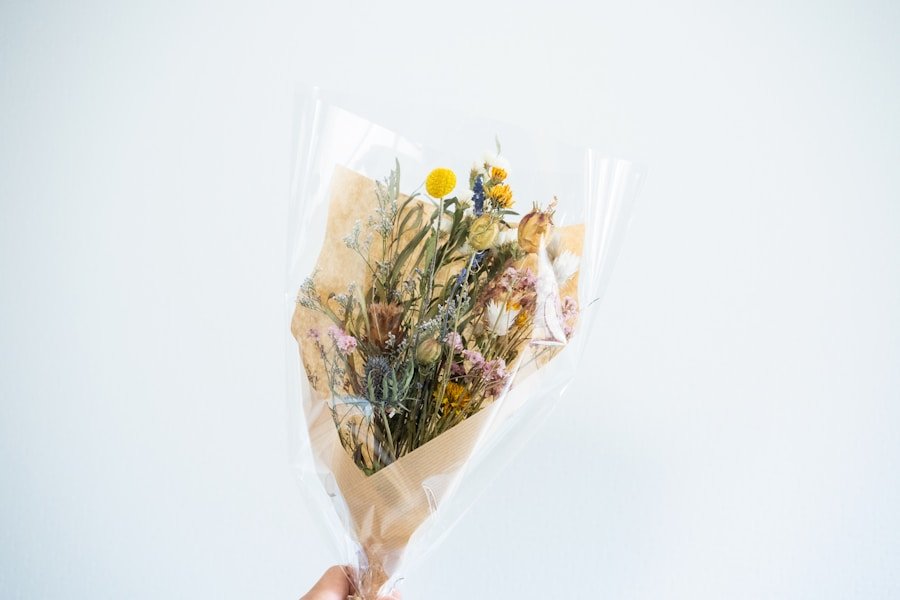

Flowers have been used as symbols for centuries, with each type of flower carrying its own unique meaning and significance. For example, the rose is often associated with love and romance, making it a popular choice for weddings and anniversaries. On the other hand, the lily is often seen as a symbol of purity and innocence, making it a common choice for funerals and memorials. Understanding the symbolism of different flowers can help you choose the perfect blooms for any occasion, whether it’s to convey a message of love, sympathy, or celebration.
In addition to their individual meanings, flowers can also be used to convey broader emotions and sentiments. For example, bright and vibrant flowers like sunflowers and daisies are often associated with happiness and joy, while more subdued blooms like lavender and bluebells can evoke feelings of calm and tranquility. By understanding the symbolism of different flowers, you can create arrangements that not only look beautiful but also carry a deeper meaning and significance.
Considerations for Location and Climate
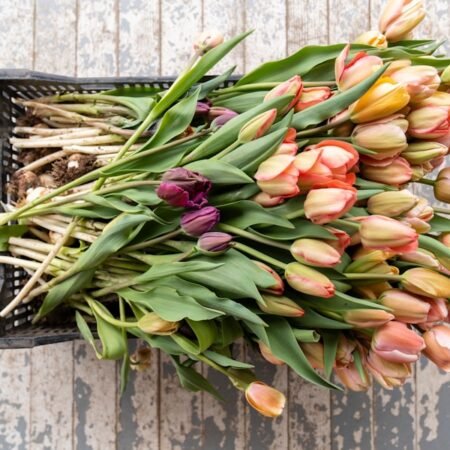
When choosing flowers for any occasion, it’s important to consider the location and climate where the blooms will be displayed. Different flowers thrive in different environments, so it’s essential to choose blooms that will be able to withstand the conditions they will be exposed to. For example, if you’re planning an outdoor event in a hot and sunny climate, you’ll want to choose flowers that are resilient to heat and sun exposure, such as sunflowers, zinnias, and marigolds. On the other hand, if you’re hosting an event in a cooler climate, you may want to opt for flowers that can withstand lower temperatures, such as tulips, daffodils, and hyacinths.
In addition to considering the climate, it’s also important to think about the location where the flowers will be displayed. For example, if you’re creating a floral arrangement for a small indoor space, you’ll want to choose blooms that are well-suited for smaller containers and won’t overwhelm the area. On the other hand, if you’re decorating a large outdoor space, you may want to opt for larger blooms and more dramatic arrangements that will make a bold statement. By considering the location and climate where your flowers will be displayed, you can ensure that your blooms will look their best and last as long as possible.
Choosing Flowers Based on Personal Preferences and Memories
When choosing flowers for any occasion, it’s important to consider your own personal preferences and memories. Whether you have a favorite flower that holds special significance to you or you want to incorporate blooms that remind you of a loved one, choosing flowers based on personal connections can add an extra layer of meaning to any arrangement. For example, if you have fond memories of picking wildflowers with your grandmother as a child, incorporating those same blooms into your wedding bouquet can be a beautiful way to honor her memory and create a meaningful connection to your special day.
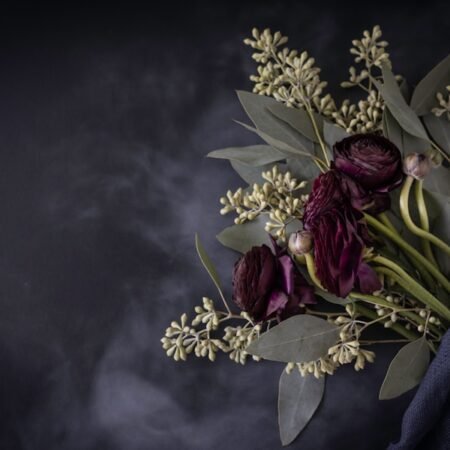
In addition to personal preferences, you may also want to consider the preferences of the person or people for whom the flowers are intended. For example, if you’re creating a bouquet for a friend who loves vibrant and bold colors, you may want to opt for blooms like peonies, dahlias, and ranunculus. On the other hand, if you’re creating an arrangement for someone who prefers more understated and elegant blooms, you may want to choose flowers like roses, lilies, and orchids. By considering personal preferences and memories when choosing flowers, you can create arrangements that are not only beautiful but also deeply meaningful.
Eco-Friendly Options for Flower Choices
In recent years, there has been a growing emphasis on eco-friendly options for flower choices. Many people are becoming more conscious of the environmental impact of traditional flower farming and are seeking out sustainable and environmentally friendly alternatives. One option is to choose locally grown and seasonal flowers, which reduces the carbon footprint associated with long-distance transportation and supports local farmers. Another eco-friendly option is to opt for organic or sustainably grown flowers, which are produced without the use of harmful pesticides or chemicals.
In addition to choosing eco-friendly blooms, there are also sustainable options for floral arrangements themselves. For example, instead of using traditional floral foam, which is non-biodegradable and can release harmful chemicals into the environment, consider using alternatives like chicken wire or floral frogs to hold your blooms in place. You can also opt for biodegradable containers or vases made from materials like bamboo or recycled glass. By choosing eco-friendly options for flower choices and arrangements, you can create beautiful displays while minimizing your impact on the environment.
Incorporating Wildflowers for a Natural and Organic Touch
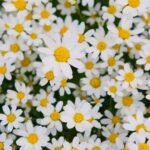
For those looking to add a natural and organic touch to their floral arrangements, incorporating wildflowers can be a beautiful option. Wildflowers are known for their untamed beauty and diverse array of colors and shapes, making them a popular choice for those seeking a more relaxed and rustic aesthetic. Whether used on their own or mixed with more traditional blooms, wildflowers can add a sense of whimsy and charm to any arrangement.
In addition to their visual appeal, wildflowers also offer environmental benefits. Many wildflower species are native plants that support local ecosystems and provide essential habitat and food sources for pollinators like bees and butterflies. By incorporating wildflowers into your floral arrangements, you can support biodiversity and contribute to the health of local ecosystems. Whether used in bouquets, centerpieces, or as part of larger floral installations, wildflowers can add a natural and organic touch to any event or space.
Roses: The Classic Choice for Elegance and Beauty
When it comes to classic elegance and timeless beauty, roses are often the flower of choice. With their delicate petals and enchanting fragrance, roses have long been associated with love, romance, and luxury. Available in a wide range of colors and varieties, roses can be used to create stunning arrangements that are perfect for any occasion. Whether used on their own or mixed with other blooms, roses add an air of sophistication and grace to any floral display.
In addition to their visual appeal, roses also carry deep symbolic meaning. Different colors of roses convey different emotions and sentiments – for example, red roses are often associated with love and passion, while white roses symbolize purity and innocence. By choosing roses in specific colors or combinations, you can create arrangements that convey specific messages or sentiments. Whether used in bridal bouquets, anniversary arrangements, or as a simple gesture of affection, roses are a classic choice that never goes out of style.
Tips for Creating a Meaningful and Thoughtful Flower Arrangement
When creating a meaningful and thoughtful flower arrangement, there are several tips to keep in mind. First, consider the occasion or purpose of the arrangement – whether it’s a celebration, memorial, or gesture of sympathy – and choose blooms that convey the appropriate sentiment. For example, bright and cheerful flowers like daisies and sunflowers are perfect for celebrations, while more subdued blooms like lilies and hydrangeas are well-suited for memorials.
In addition to choosing the right blooms, consider the overall design and composition of the arrangement. Pay attention to color combinations, textures, and shapes to create a visually appealing display that captures attention. Consider incorporating meaningful elements like personal mementos or keepsakes into the arrangement to add an extra layer of significance. Finally, take into account the recipient’s preferences and personality when creating the arrangement – whether they prefer bold and vibrant blooms or more understated and elegant choices. By following these tips, you can create flower arrangements that are not only beautiful but also deeply meaningful and thoughtful.