
Flower colors have always been a source of fascination and inspiration for people around the world. The wide array of hues and shades found in nature’s blooms can evoke a range of emotions and moods, making them an integral part of human culture and art. From the delicate pastels of spring to the vibrant and bold hues of summer, the earthy and warm tones of autumn, and the delicate and cool shades of winter, flower colors are a reflection of the ever-changing palette of nature. In this article, we will explore the significance of flower colors throughout the seasons, as well as their cultural and symbolic meanings.
Spring: The Burst of Pastels
Spring is a time of renewal and rebirth, and the flowers that bloom during this season reflect this sense of freshness and new beginnings. Pastel colors such as soft pinks, pale blues, and light yellows dominate the landscape, creating a sense of serenity and tranquility. These delicate hues are often associated with femininity, innocence, and youth, making them a popular choice for weddings and other romantic occasions. In addition to their aesthetic appeal, pastel flowers also play an important role in the pollination process, attracting bees and other pollinators with their sweet nectar and gentle colors.
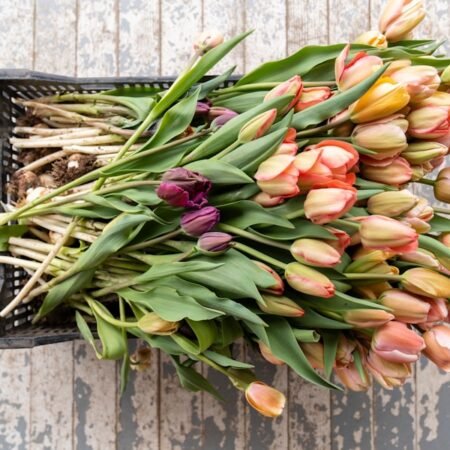
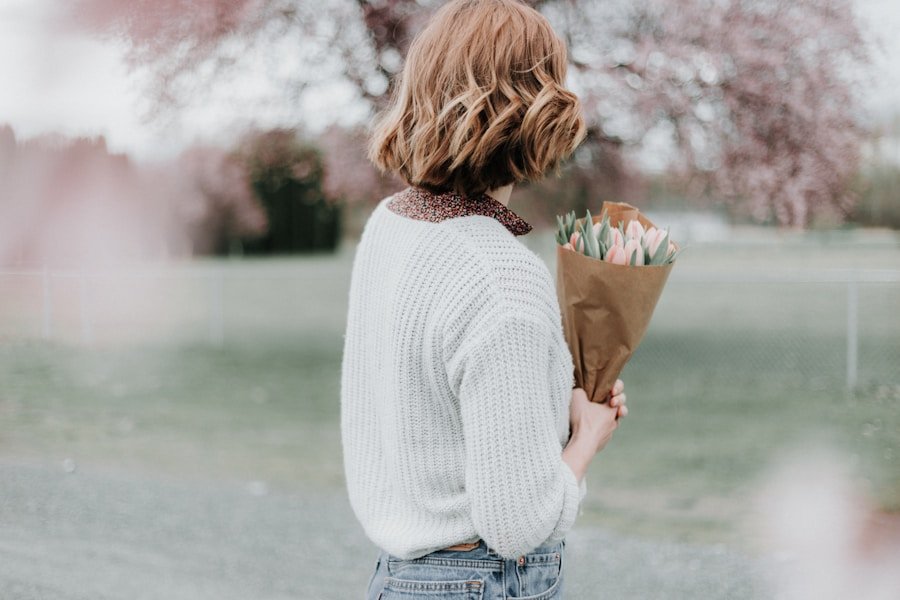
As the weather warms up and the days grow longer, spring flowers burst into full bloom, creating a stunning display of color and beauty. From the delicate petals of cherry blossoms to the vibrant blooms of tulips and daffodils, the pastel palette of spring is a sight to behold. Whether adorning gardens, parks, or countryside landscapes, these soft and gentle hues bring a sense of joy and optimism to all who behold them. In many cultures, pastel flowers are also associated with Easter and other religious celebrations, symbolizing hope, renewal, and the promise of new life.
Summer: Vibrant and Bold Hues
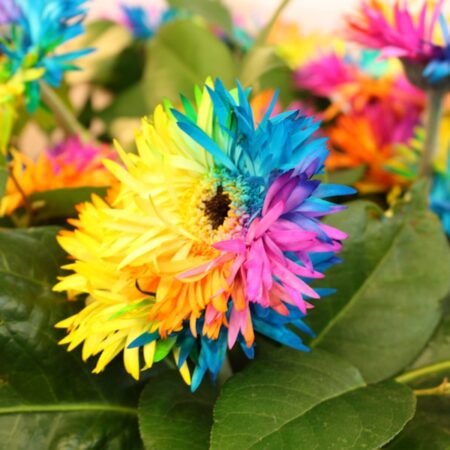
As spring gives way to summer, the landscape explodes with vibrant and bold hues, reflecting the warmth and energy of the season. From fiery reds and oranges to sunny yellows and deep purples, summer flowers are a feast for the eyes, capturing the essence of vitality and passion. These bold colors are often associated with strength, power, and confidence, making them a popular choice for celebrations and festive occasions. Whether adorning bouquets, floral arrangements, or outdoor gardens, summer flowers create a sense of excitement and exuberance wherever they are found.
The vibrant and bold hues of summer flowers also play an important role in attracting pollinators such as butterflies, hummingbirds, and bees. Their bright colors act as beacons, guiding these essential creatures to the nectar and pollen they need to survive. In addition to their ecological significance, summer flowers also hold cultural and symbolic meanings in many societies. For example, red roses are often associated with love and passion, while sunflowers symbolize adoration and loyalty. Whether used in art, literature, or religious ceremonies, the bold colors of summer flowers continue to inspire and captivate people around the world.
Autumn: Earthy and Warm Tones
As summer fades into autumn, the landscape undergoes a transformation, with the vibrant hues of summer giving way to earthy and warm tones. Shades of gold, amber, russet, and deep reds dominate the scenery, creating a sense of warmth and coziness. These rich colors are often associated with abundance, harvest, and gratitude, reflecting the bountiful gifts of nature during this season. Whether adorning fall foliage or autumnal floral arrangements, these earthy tones evoke a sense of comfort and nostalgia, reminding us of the beauty of change and transition.
In addition to their aesthetic appeal, autumn flowers also hold cultural and symbolic meanings in many societies. For example, chrysanthemums are often associated with honor and loyalty in Asian cultures, while marigolds symbolize remembrance and celebration in Mexican traditions. These earthy and warm tones also play an important role in seasonal festivities such as Thanksgiving and Halloween, adding a touch of warmth and elegance to decorations and floral displays. Whether used in art, literature, or religious ceremonies, the rich colors of autumn flowers continue to inspire and captivate people around the world.
Winter: Delicate and Cool Shades
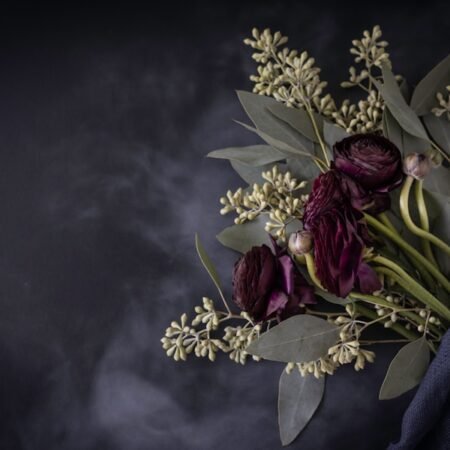
As autumn gives way to winter, the landscape takes on a more subdued palette, with delicate and cool shades dominating the scenery. Soft blues, icy whites, pale pinks, and silvery greens create a sense of tranquility and serenity, reflecting the quiet beauty of the season. These delicate hues are often associated with purity, innocence, and spirituality, making them a popular choice for winter weddings and holiday decorations. Whether adorning evergreen branches or winter floral arrangements, these cool shades evoke a sense of peace and contemplation, reminding us of the beauty of stillness and introspection.
In addition to their aesthetic appeal, winter flowers also hold cultural and symbolic meanings in many societies. For example, poinsettias are often associated with Christmas and are used to symbolize good cheer and success in many cultures. Snowdrops are also highly regarded for their ability to bloom in the midst of winter’s chill, symbolizing hope and resilience in the face of adversity. These delicate and cool shades also play an important role in seasonal festivities such as Hanukkah and New Year’s celebrations, adding a touch of elegance and grace to decorations and floral displays. Whether used in art, literature, or religious ceremonies, the cool colors of winter flowers continue to inspire and captivate people around the world.
Cultural and Symbolic Meanings of Flower Colors
Throughout history, flower colors have held deep cultural and symbolic meanings in societies around the world. From ancient civilizations to modern-day cultures, different hues have been associated with various emotions, virtues, and events. For example, red is often linked to love and passion in many cultures, while white symbolizes purity and innocence. In addition to their emotional significance, flower colors also play an important role in religious ceremonies, festivals, and rituals. For example, yellow marigolds are used in Day of the Dead celebrations in Mexico to honor deceased loved ones.
In addition to their cultural meanings, flower colors also hold symbolic significance in various mythologies and folklore traditions. For example, in Greek mythology, the red poppy was associated with Demeter, the goddess of agriculture and fertility. In Chinese folklore, peonies are often linked to prosperity and good fortune. These symbolic meanings have been passed down through generations, shaping our understanding of different flower colors and their significance in our lives. Whether used in art, literature, or religious ceremonies, flower colors continue to inspire creativity and imagination across different cultures.
The Ever-changing Palette of Australian Flora
In conclusion, flower colors play a significant role in our lives by evoking emotions, reflecting cultural traditions, and holding symbolic meanings. From the delicate pastels of spring to the vibrant hues of summer, the earthy tones of autumn, and the cool shades of winter, flower colors are a reflection of the ever-changing palette of nature. Whether adorning gardens or used in art and literature, these hues continue to inspire creativity and captivate people around the world. As we continue to appreciate the beauty of flower colors throughout the seasons, we gain a deeper understanding of their cultural significance and symbolic meanings.
In Australia specifically, the diverse flora showcases an array of unique flower colors that reflect the country’s rich natural heritage. From the vibrant blooms of kangaroo paws to the delicate petals of waratahs, Australian flowers offer a stunning display of color that is deeply intertwined with indigenous traditions and cultural practices. As we continue to explore the significance of flower colors in Australian flora, we gain a greater appreciation for their beauty and cultural significance. Whether used in traditional ceremonies or modern-day celebrations, Australian flower colors continue to inspire awe and admiration among people from all walks of life.