
Allergy-friendly floral arrangements are of utmost importance in hospital and office environments, where individuals with allergies spend a significant amount of time. Hospitals, in particular, are places where patients with compromised immune systems and respiratory conditions are present, making it crucial to minimize potential allergens in the environment. Similarly, in office settings, where employees spend long hours, it is essential to create a workspace that is conducive to good health and productivity. Allergy-friendly floral arrangements play a vital role in ensuring that these environments remain safe and comfortable for everyone.
Traditional floral arrangements can contain a variety of allergens, including pollen, mold, and fragrances, which can trigger allergic reactions in sensitive individuals. In hospital settings, where patients may already be dealing with health issues, exposure to allergens from floral arrangements can exacerbate their conditions and hinder the healing process. In office environments, employees who suffer from allergies may experience decreased productivity and increased absenteeism due to exposure to allergens from traditional floral arrangements. Therefore, the importance of allergy-friendly floral arrangements cannot be overstated in these environments.
Common Allergens Found in Traditional Floral Arrangements
Traditional floral arrangements can contain a multitude of allergens that can trigger allergic reactions in sensitive individuals. Pollen is one of the most common allergens found in flowers and can cause symptoms such as sneezing, runny nose, itchy eyes, and respiratory issues in those who are allergic. Additionally, mold can also be present in floral arrangements, especially if the flowers are not properly maintained and watered. Mold spores can become airborne and cause allergic reactions when inhaled by sensitive individuals.
Fragrances from flowers and scented candles used in floral arrangements can also be problematic for individuals with allergies. The chemicals used to create these scents can cause headaches, dizziness, and respiratory issues in those who are sensitive to them. In hospital and office environments, where individuals with various sensitivities and health conditions are present, it is crucial to minimize the presence of these common allergens in floral arrangements to ensure the well-being of everyone in the space.
Benefits of Allergy-Friendly Floral Arrangements for Patients and Office Workers
The benefits of allergy-friendly floral arrangements for patients and office workers are numerous and significant. By opting for allergy-friendly floral arrangements, hospitals can create a safer and more comfortable environment for patients who may already be dealing with health issues. Allergy-friendly floral arrangements can help reduce the risk of triggering allergic reactions in sensitive individuals, thereby promoting a faster recovery and better overall well-being for patients.
In office environments, allergy-friendly floral arrangements can contribute to a healthier and more productive workspace for employees. By minimizing the presence of common allergens in floral arrangements, employers can help reduce absenteeism and improve the overall health and morale of their workforce. Allergy-friendly floral arrangements can also create a more inclusive environment for employees with allergies, allowing them to work comfortably without the fear of being exposed to potential allergens.
Tips for Creating Allergy-Friendly Floral Arrangements
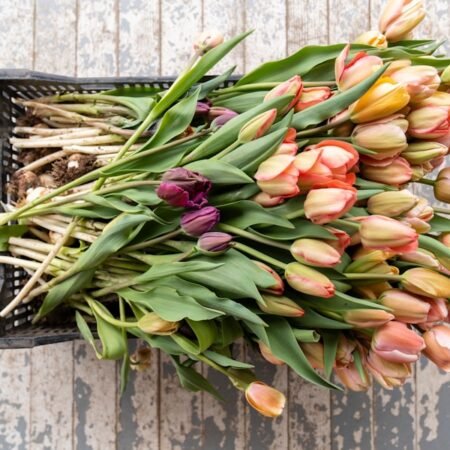
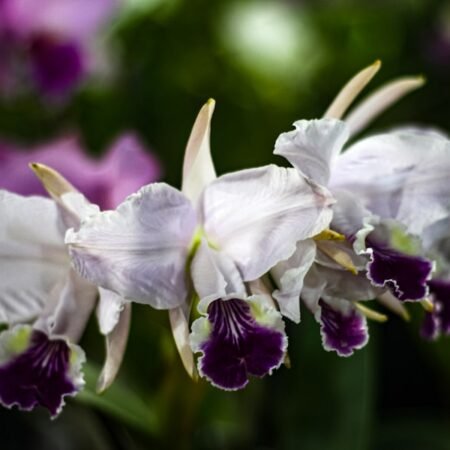
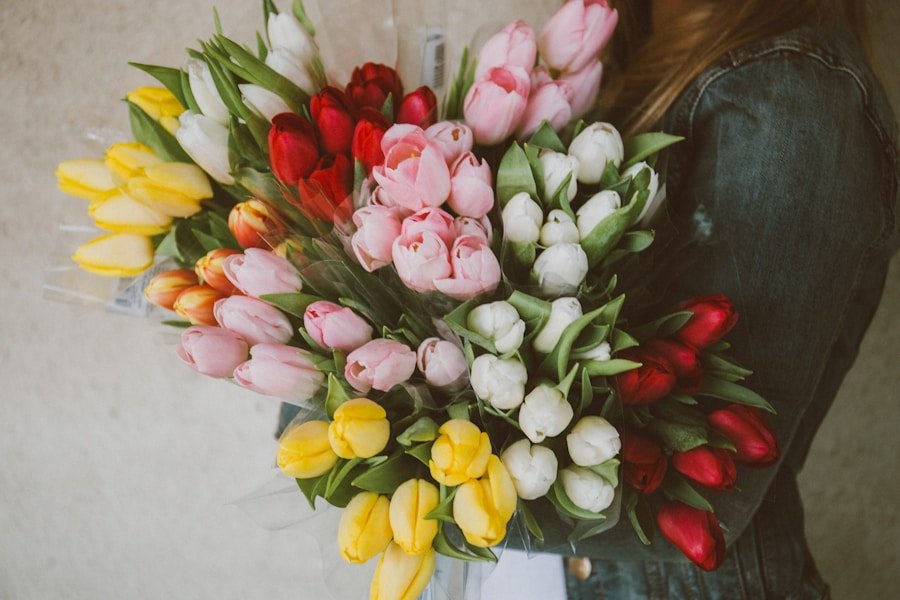
Creating allergy-friendly floral arrangements requires careful consideration of the types of flowers and materials used. When selecting flowers for allergy-friendly arrangements, it is important to choose varieties that produce minimal pollen and have low fragrance levels. Some examples of allergy-friendly flowers include roses, tulips, daffodils, and orchids. It is also important to ensure that the flowers are fresh and free from mold, as mold spores can trigger allergic reactions in sensitive individuals.
In addition to selecting the right flowers, it is important to avoid using scented candles or artificial fragrances in allergy-friendly floral arrangements. Instead, opt for natural elements such as eucalyptus or lavender, which have a mild scent that is less likely to trigger allergic reactions. When arranging the flowers, it is also important to use clean vases and water to prevent the growth of mold and bacteria, which can exacerbate allergies.
Alternatives to Traditional Floral Arrangements for Allergy-Prone Individuals
For individuals who are particularly sensitive to allergens found in traditional floral arrangements, there are alternative options available that can still provide the beauty and ambiance of flowers without the risk of triggering allergic reactions. One alternative is to use silk or dried flowers in place of fresh flowers. Silk flowers are hypoallergenic and do not produce pollen or fragrances, making them an ideal choice for allergy-prone individuals.
Another alternative to traditional floral arrangements is to use non-floral elements such as succulents, air plants, or decorative branches. These alternatives not only add visual interest to a space but also eliminate the risk of exposure to common allergens found in traditional floral arrangements. By exploring these alternative options, individuals with allergies can still enjoy the aesthetic benefits of floral arrangements without compromising their health.
How to Choose the Right Allergy-Friendly Floral Arrangement for Different Environments
When choosing allergy-friendly floral arrangements for different environments such as hospitals and offices, it is important to consider the specific needs and sensitivities of the individuals present in those spaces. In hospital settings, where patients may have compromised immune systems and respiratory conditions, it is crucial to select flowers that produce minimal pollen and have low fragrance levels. Additionally, it is important to ensure that the flowers are fresh and free from mold to minimize the risk of triggering allergic reactions in patients.
In office environments, where employees spend long hours, it is important to create a workspace that is conducive to good health and productivity. When choosing allergy-friendly floral arrangements for offices, it is important to consider the sensitivities of employees with allergies and select flowers that are hypoallergenic and have minimal fragrance. By taking into account the specific needs of different environments, it is possible to choose the right allergy-friendly floral arrangements that promote a safe and comfortable space for everyone.
The Perfect Gift for Hospital and Office Environments
In conclusion, allergy-friendly floral arrangements play a crucial role in creating safe and comfortable environments for patients in hospitals and employees in office settings. By minimizing the presence of common allergens found in traditional floral arrangements, allergy-friendly floral arrangements can help reduce the risk of triggering allergic reactions in sensitive individuals, thereby promoting better overall well-being and productivity. With careful consideration of the types of flowers and materials used, as well as exploring alternative options for allergy-prone individuals, it is possible to create beautiful and safe floral arrangements that are perfect for hospital and office environments. Whether as a gift or as a decorative element, allergy-friendly floral arrangements are a thoughtful choice that demonstrates consideration for the health and well-being of others.

Other Articles

Why Succulent Terrariums Make the Ultimate Gift for Plant Lovers