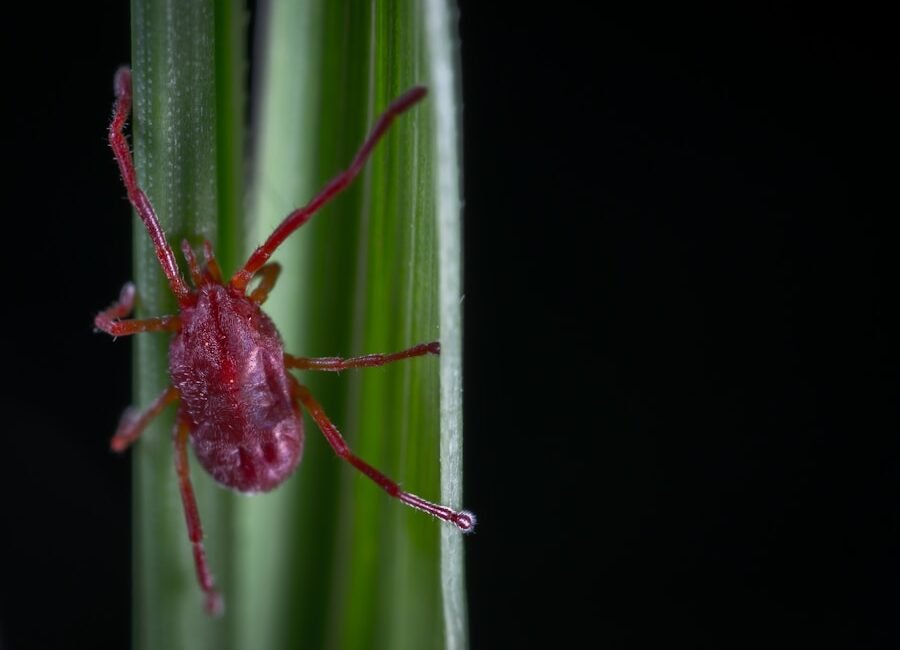

Indoor flower pests can be a nuisance for any plant enthusiast. It’s important to be able to identify common pests so that you can take the necessary steps to prevent infestations and keep your plants healthy. Some of the most common indoor flower pests include aphids, spider mites, mealybugs, and fungus gnats. Aphids are small, soft-bodied insects that can be green, black, brown, or red in color. They feed on the sap of plants and can cause damage by stunting growth and spreading diseases. Spider mites are tiny pests that are difficult to see with the naked eye. They feed on the undersides of leaves and can cause yellowing and stippling of the foliage. Mealybugs are small, white, cottony insects that feed on plant sap and can cause wilting and yellowing of leaves. Fungus gnats are small, black flies that lay their eggs in the soil of potted plants. The larvae feed on the roots of the plants, which can lead to wilting and poor growth.
In addition to these common pests, there are also other insects and pests that can infest indoor flowers, such as scale insects, whiteflies, and thrips. Scale insects are small, immobile pests that attach themselves to the stems and leaves of plants and feed on their sap. They can cause yellowing and wilting of the foliage. Whiteflies are tiny, white insects that feed on the undersides of leaves and can cause yellowing and wilting of the foliage. Thrips are small, slender insects that feed on the leaves and flowers of plants, causing them to become distorted and discolored. By being able to identify these common indoor flower pests, you can take the necessary steps to prevent infestations and keep your plants healthy.
Preventing Infestations
Preventing infestations is key to keeping your indoor flowers healthy and pest-free. There are several steps you can take to prevent pests from infesting your plants. One of the most important things you can do is to inspect your plants regularly for signs of pests. Look for any unusual discoloration or damage to the leaves, stems, or flowers. If you notice any signs of pests, take action immediately to prevent the infestation from spreading. Another important step in preventing infestations is to keep your plants healthy and well-maintained. Make sure they are getting the proper amount of water, sunlight, and nutrients. Healthy plants are less likely to be attacked by pests.
In addition to regular inspections and proper plant care, there are other preventative measures you can take to keep pests at bay. One effective method is to quarantine new plants before introducing them to your indoor garden. This will help prevent any potential pests from spreading to your other plants. You can also use physical barriers, such as sticky traps or insect netting, to keep pests away from your plants. Another preventative measure is to avoid over-fertilizing your plants, as this can attract pests. By taking these preventative measures, you can help keep your indoor flowers healthy and pest-free.
Natural Remedies for Pest Control
When it comes to controlling indoor flower pests, there are several natural remedies that can be effective in keeping your plants healthy. One natural remedy is to use insecticidal soap or neem oil. These products are safe for use on indoor plants and can help control a variety of pests, including aphids, spider mites, and mealybugs. Another natural remedy is to introduce beneficial insects, such as ladybugs or lacewings, into your indoor garden. These insects can help control pest populations by feeding on them. You can also use homemade remedies, such as garlic or chili pepper sprays, to repel pests from your plants.
In addition to these natural remedies, there are other methods you can use to control indoor flower pests without resorting to chemical pesticides. One effective method is to use diatomaceous earth, which is a natural substance that can be sprinkled on the soil to control pests like fungus gnats. Another natural remedy is to use sticky traps or yellow sticky cards to catch flying pests like whiteflies or thrips. By using these natural remedies for pest control, you can keep your indoor flowers healthy without harming the environment.
Chemical Pest Control Options
While natural remedies can be effective in controlling indoor flower pests, there are also chemical pest control options available for more severe infestations. One common chemical pesticide used for indoor plants is insecticidal soap. This product is effective in controlling a variety of pests, including aphids, spider mites, and mealybugs. Another chemical pesticide option is horticultural oil, which can be used to control scale insects and other soft-bodied pests. However, it’s important to use these chemical pesticides with caution and follow the instructions carefully to avoid harming your plants.
In addition to insecticidal soap and horticultural oil, there are other chemical pesticides that can be used for indoor flower pest control. One option is systemic insecticides, which are absorbed by the plant and can control pests like aphids and whiteflies. Another option is pyrethrin-based insecticides, which are derived from chrysanthemum flowers and can be effective in controlling a variety of pests. However, it’s important to use these chemical pesticides as a last resort and only when natural remedies have proven ineffective in controlling the infestation.
Monitoring and Regular Maintenance
Monitoring your indoor flowers regularly is essential for preventing and controlling pest infestations. By keeping a close eye on your plants, you can catch any signs of pests early on and take action before the infestation becomes severe. Look for any unusual discoloration or damage to the leaves, stems, or flowers, as well as any signs of pests such as webs or sticky residue. In addition to regular monitoring, it’s important to maintain your plants properly by providing them with the right amount of water, sunlight, and nutrients. Healthy plants are less likely to be attacked by pests.
Regular maintenance also includes proper pruning and grooming of your indoor flowers. Remove any dead or damaged foliage from your plants, as this can attract pests and provide them with a breeding ground. It’s also important to clean your plants regularly by wiping down the leaves with a damp cloth or giving them a gentle shower to remove any dust or debris that could harbor pests. By monitoring your plants regularly and providing them with proper maintenance, you can help prevent pest infestations and keep your indoor flowers healthy.
Dealing with Severe Infestations
If you find that your indoor flowers have a severe pest infestation, it’s important to take immediate action to control the problem before it gets out of hand. One effective method for dealing with severe infestations is to prune heavily infested parts of the plant and dispose of them properly. This will help remove the source of the infestation and prevent it from spreading further. You can also use a strong stream of water to wash off pests like aphids or spider mites from your plants.
In addition to pruning and washing off pests, there are other methods you can use to deal with severe infestations of indoor flower pests. One option is to use a commercial insecticidal soap or neem oil to control the infestation. These products are effective in controlling a variety of pests and can help bring the infestation under control. Another option is to repot heavily infested plants in fresh soil to remove any potential pest eggs or larvae that may be present in the soil. By taking these steps to deal with severe infestations, you can help save your indoor flowers from further damage.
Seeking Professional Help
If you find that your indoor flowers have a severe pest infestation that you’re unable to control on your own, it may be time to seek professional help. A professional pest control service can provide you with expert advice and treatment options for dealing with severe infestations of indoor flower pests. They have access to a variety of chemical pesticides that may not be available to the general public and can provide targeted treatments for specific pest problems.
In addition to professional pest control services, you may also want to consult with a horticulturist or plant specialist for advice on how to deal with severe infestations of indoor flower pests. They can provide you with expert guidance on how to save your plants from further damage and prevent future infestations from occurring. By seeking professional help when dealing with severe pest infestations, you can ensure that your indoor flowers remain healthy and pest-free for years to come.
In conclusion, identifying common indoor flower pests is essential for preventing infestations and keeping your plants healthy. By being able to recognize common pests such as aphids, spider mites, mealybugs, and fungus gnats, you can take the necessary steps to prevent infestations from occurring in the first place. Preventative measures such as regular inspections, proper plant care, quarantine of new plants, and physical barriers can help keep pests at bay. Natural remedies such as insecticidal soap, neem oil, beneficial insects, homemade sprays, diatomaceous earth, and sticky traps are effective in controlling indoor flower pests without harming the environment.
For more severe infestations, chemical pest control options such as insecticidal soap, horticultural oil, systemic insecticides, and pyrethrin-based insecticides may be necessary as a last resort. Regular monitoring and maintenance of your indoor flowers are essential for preventing pest infestations from occurring in the first place. If you find that your plants have a severe pest infestation that you’re unable to control on your own, seeking professional help from a pest control service or plant specialist may be necessary to save your plants from further damage.
By taking these steps to prevent and control indoor flower pests, you can ensure that your plants remain healthy and pest-free for years to come. With proper care and attention, you can enjoy beautiful indoor flowers without having to worry about pesky pests ruining your garden.