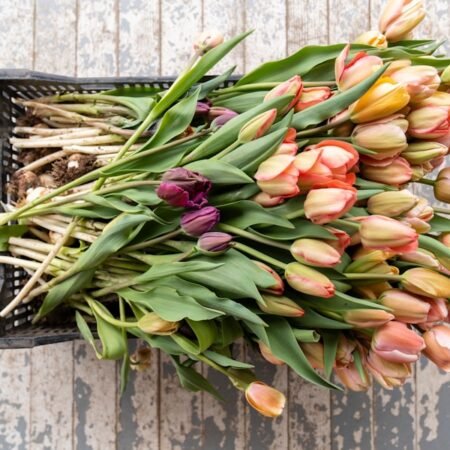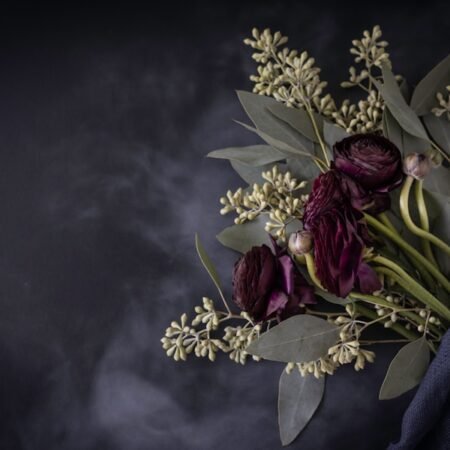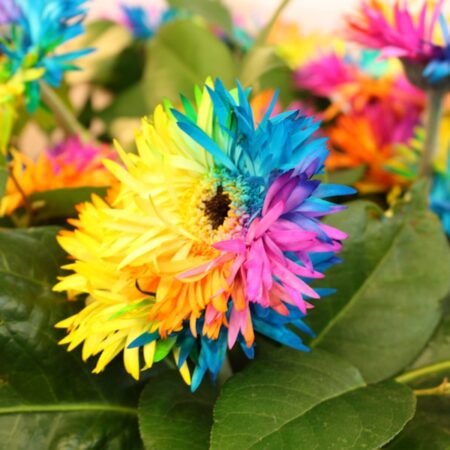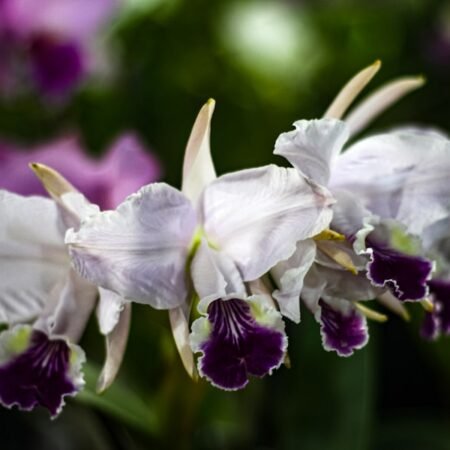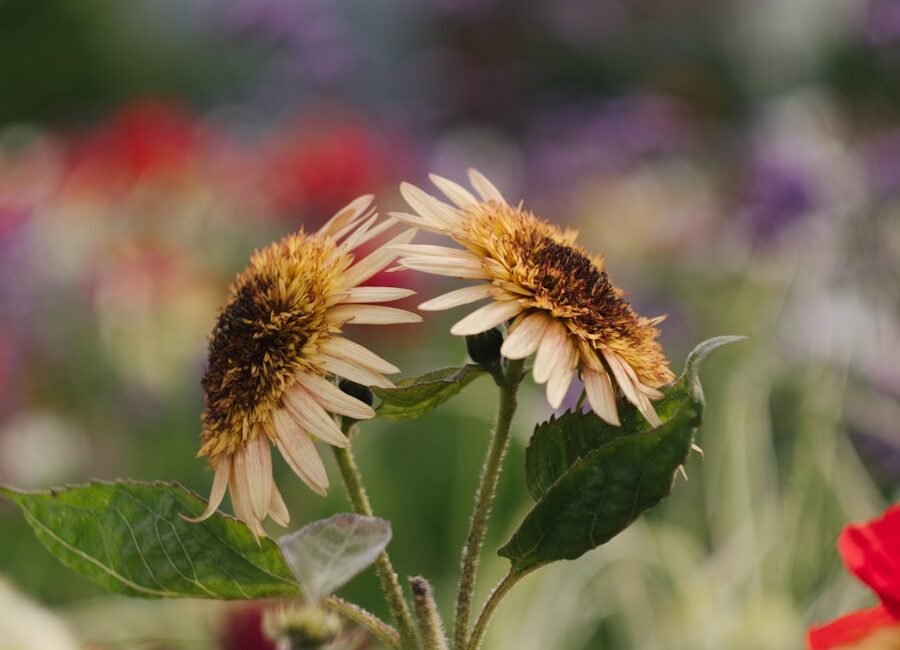

Wildflowers are a beautiful and diverse group of plants that grow in the wild, without any human intervention. They can be found in a wide range of habitats, from meadows and forests to deserts and mountains. Wildflowers come in a variety of shapes, sizes, and colors, making them a popular subject for artists, photographers, and nature enthusiasts. These delicate blooms are not only visually stunning, but they also play a crucial role in the ecosystem, providing food and shelter for insects, birds, and other wildlife. Wildflowers are also important for maintaining the balance of the natural world, as they help to prevent soil erosion and provide essential nutrients for other plants.
Wildflowers have been admired and celebrated by people around the world for centuries. They have been used in various cultural traditions, literature, and art as symbols of beauty, resilience, and the fleeting nature of life. In many indigenous traditions, wildflowers are revered for their healing properties and spiritual significance. As our understanding of the importance of wildflowers in the environment grows, there is a renewed focus on conservation and protection efforts to ensure that these precious plants continue to thrive for future generations to enjoy.
Symbolism of Wildflowers in Different Cultures
Wildflowers have held symbolic significance in various cultures throughout history. In ancient Greece, wildflowers were associated with the goddess Flora, who was the deity of flowers and springtime. The Greeks believed that wildflowers represented beauty, fertility, and the cycle of life. In Celtic culture, wildflowers were often used in rituals and ceremonies to symbolize rebirth and renewal. The Celts believed that wildflowers had the power to bring good luck and ward off evil spirits.
In Japanese culture, cherry blossoms are revered as a symbol of the transient nature of life, as they bloom for only a short period each spring. The cherry blossom, or sakura, has been celebrated in art, literature, and festivals as a reminder to cherish the present moment and appreciate the beauty of nature. In Native American traditions, wildflowers are seen as sacred gifts from the earth, with each species holding its own unique spiritual significance. For example, the Cherokee people believe that the black-eyed Susan flower represents protection and vision. These diverse cultural interpretations of wildflowers highlight their universal appeal as symbols of beauty, resilience, and the interconnectedness of all living things.
Wildflowers in Literature and Art
Wildflowers have long been a source of inspiration for writers and artists alike. In literature, wildflowers are often used as symbols of beauty, fragility, and the passage of time. Writers such as Emily Dickinson and William Wordsworth have penned poems that celebrate the simple yet profound beauty of wildflowers. In art, wildflowers have been depicted in paintings, drawings, and sculptures as a way to capture their delicate forms and vibrant colors. Artists like Vincent van Gogh and Georgia O’Keeffe were known for their stunning portrayals of wildflowers in their work.
The symbolism of wildflowers in literature and art has also been used to convey deeper meanings about life, love, and the human experience. For example, the Victorian language of flowers assigned specific meanings to different types of blooms, allowing people to communicate their feelings through floral arrangements. This tradition has been immortalized in classic novels such as “The Language of Flowers” by Vanessa Diffenbaugh. The enduring presence of wildflowers in literature and art serves as a testament to their timeless allure and ability to evoke powerful emotions in those who encounter them.
Wildflowers in Indigenous Traditions
In many indigenous traditions around the world, wildflowers hold deep spiritual significance and are used in various healing practices and ceremonies. For example, in Native American cultures, wildflowers are often used in traditional medicine to treat a wide range of ailments. The Cherokee people use wildflowers such as echinacea and black cohosh for their medicinal properties, while the Navajo people use wildflowers like yarrow and sage for their healing powers.
In addition to their medicinal uses, wildflowers are also an integral part of indigenous ceremonies and rituals. For example, the Hopi people of the American Southwest use wildflowers in their sacred corn planting ceremonies to ensure a bountiful harvest. In Australian Aboriginal traditions, wildflowers are used in storytelling and dance to connect with the natural world and pass down cultural knowledge from generation to generation. These indigenous traditions highlight the deep reverence for wildflowers as symbols of healing, spirituality, and the interconnectedness of all living beings.
Conservation and Protection of Wildflowers
As human development continues to encroach on natural habitats, many species of wildflowers are at risk of extinction. The loss of these precious plants not only diminishes the beauty of our natural landscapes but also disrupts the delicate balance of ecosystems. Conservation efforts are crucial to protect wildflowers from threats such as habitat destruction, climate change, and invasive species.
Many organizations around the world are dedicated to preserving wildflower habitats and promoting sustainable practices to ensure their survival. Botanical gardens and nature reserves play a vital role in conserving rare and endangered species of wildflowers through seed banking and habitat restoration programs. Citizen science initiatives also engage volunteers in monitoring wildflower populations and collecting valuable data to inform conservation strategies.
In addition to conservation efforts, public awareness and education are essential for promoting the value of wildflowers and inspiring people to take action to protect them. By learning about the importance of wildflowers in the environment and supporting conservation initiatives, individuals can contribute to preserving these precious plants for future generations to enjoy.
The Language of Flowers: Wildflower Meanings and Significance
The language of flowers has been a popular tradition throughout history, with different blooms carrying specific meanings and symbolism. Wildflowers have been assigned various meanings based on their appearance, fragrance, and cultural associations. For example, the daisy is often associated with innocence and purity, while the sunflower symbolizes adoration and loyalty.
In Victorian times, sending floral arrangements with carefully chosen blooms was a way for people to convey their feelings without speaking aloud. This tradition allowed individuals to express sentiments such as love, gratitude, or sympathy through the language of flowers. Today, the practice of assigning meanings to different types of wildflowers continues to be cherished by many people who appreciate the symbolic significance of these beautiful blooms.
Exploring Wildflower Festivals and Events around the World
Wildflower festivals and events are held in various locations around the world to celebrate the beauty and diversity of these precious plants. These gatherings provide an opportunity for people to immerse themselves in fields of colorful blooms, learn about different species of wildflowers, and participate in educational activities and workshops.
One notable event is the Texas Bluebonnet Festival held in Chappell Hill, Texas, which showcases the state flower in all its glory. Visitors can enjoy live music, arts and crafts vendors, and guided tours through fields of bluebonnets. In Japan, the cherry blossom season is celebrated with hanami festivals, where people gather under blooming cherry trees to appreciate their fleeting beauty.
In addition to regional festivals, there are also international events that highlight the importance of wildflowers in global conservation efforts. The Chelsea Flower Show in London features stunning displays of wildflowers from around the world and raises awareness about the need to protect these precious plants.
These festivals and events provide an opportunity for people to connect with nature, learn about the significance of wildflowers in different cultures, and support conservation efforts to ensure that these beautiful blooms continue to thrive for generations to come.