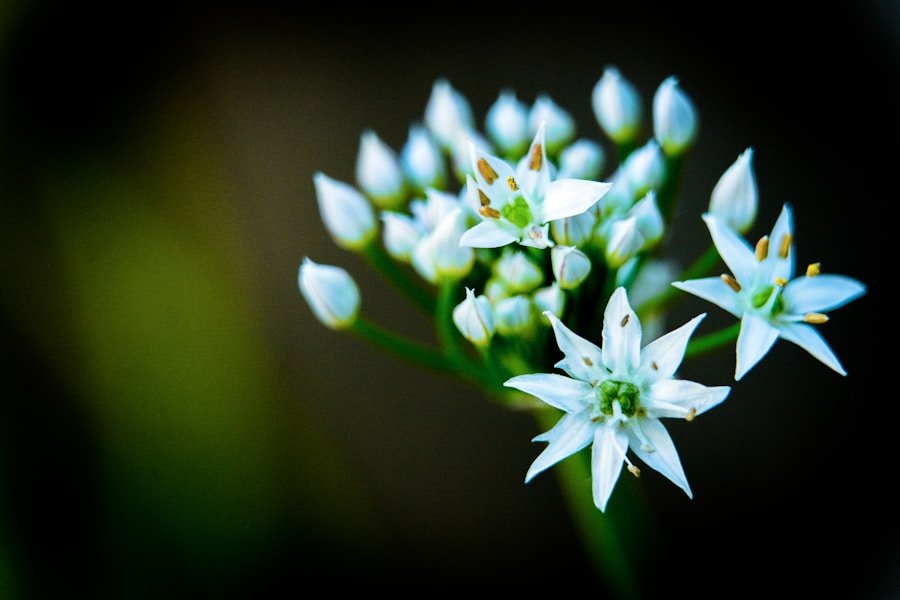

Edible flowers have been used in culinary practices for centuries, adding a touch of color, flavor, and elegance to dishes. From ancient civilizations to modern-day cuisine, edible flowers have been a staple in various cultures around the world. These delicate blooms not only enhance the visual appeal of a dish but also contribute unique flavors and aromas that can elevate the overall dining experience. Whether used as a garnish, infusion, or main ingredient, edible flowers offer a creative and versatile way to experiment with flavors and textures in cooking.
Choosing and Growing Edible Flowers
When it comes to choosing and growing edible flowers, it’s important to consider factors such as taste, texture, and safety. Not all flowers are edible, and some may be toxic or have a bitter taste. It’s essential to do thorough research or consult with a knowledgeable source before consuming any flowers. When growing edible flowers, it’s crucial to use organic methods and avoid pesticides or chemicals that could be harmful if ingested. Some popular edible flowers that are relatively easy to grow include nasturtiums, pansies, violets, and calendula. These flowers can be grown in gardens, pots, or window boxes, making them accessible to both experienced and novice gardeners.
Popular Edible Flowers and Their Uses
There is a wide variety of edible flowers that can be used in cooking, each with its own distinct flavor profile and culinary applications. Some popular edible flowers include roses, lavender, chamomile, hibiscus, and elderflower. Roses are often used in desserts and floral infusions, adding a subtle floral aroma and flavor. Lavender is known for its calming properties and is commonly used in baking, teas, and cocktails. Chamomile is often brewed into a soothing tea, while hibiscus is used to make tart and tangy beverages. Elderflower is prized for its delicate floral notes and is often used in syrups, cordials, and cocktails. These edible flowers can be incorporated into a wide range of dishes, from sweet to savory, adding a unique twist to traditional recipes.
Incorporating Edible Flowers into Salads and Entrees
One of the most popular ways to incorporate edible flowers into dishes is by adding them to salads and entrees. Edible flowers can add a pop of color and a subtle floral flavor to salads, making them visually appealing and refreshing. Some edible flowers that work well in salads include nasturtiums, pansies, borage, and marigolds. These flowers can be used whole or as individual petals, adding a vibrant touch to green salads or fruit salads. When it comes to entrees, edible flowers can be used as a garnish or incorporated into the dish itself. For example, stuffed squash blossoms are a popular dish that features the delicate flavor of zucchini flowers. Edible flowers can also be used to garnish seafood dishes, risottos, and pasta dishes, adding an elegant touch to the presentation.
Creating Floral Infusions and Syrups
Floral infusions and syrups are another creative way to incorporate the flavors of edible flowers into beverages and desserts. Infusing water, tea, or alcohol with edible flowers can create unique and refreshing drinks with a subtle floral aroma and taste. Some popular floral infusions include rose water, lavender syrup, chamomile tea, and hibiscus iced tea. These infusions can be used in cocktails, mocktails, desserts, or simply enjoyed on their own. Floral syrups can also be made by simmering edible flowers with sugar and water, creating a sweet and fragrant syrup that can be drizzled over pancakes, waffles, or used to sweeten beverages. The possibilities are endless when it comes to creating floral infusions and syrups with edible flowers.
Edible Flower Garnishes and Decorations
Edible flowers can be used as garnishes and decorations to add a touch of elegance and sophistication to dishes. Whether used on cakes, pastries, cocktails, or savory dishes, edible flowers can elevate the visual appeal of a dish and make it more memorable. Some popular edible flowers for garnishing include violets, pansies, roses, and calendula. These flowers can be used whole or as individual petals to create intricate designs or simply add a pop of color to the plate. Edible flowers can also be crystallized with sugar to preserve their beauty and add a delicate sweetness to desserts. When using edible flowers as garnishes and decorations, it’s important to ensure that they are safe for consumption and free from pesticides or chemicals.
Safety and Precautions when Using Edible Flowers
While edible flowers can add beauty and flavor to dishes, it’s important to exercise caution when using them in cooking. Not all flowers are safe for consumption, and some may cause allergic reactions or digestive issues. It’s essential to research each flower thoroughly before using it in cooking and to ensure that it has been grown organically without the use of pesticides or chemicals. Additionally, it’s important to use edible flowers sparingly and in moderation, as consuming large quantities may cause adverse effects. When using edible flowers as garnishes or decorations, it’s crucial to inform diners that the flowers are indeed edible and safe for consumption. By following these safety precautions, you can enjoy the beauty and flavor of edible flowers while ensuring a safe dining experience for all.