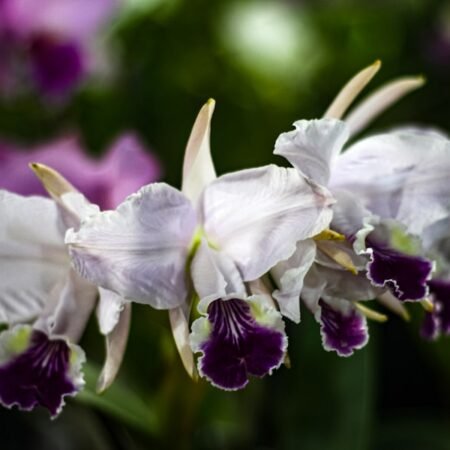
Flowers have been used for centuries as a symbol of healing and renewal. In many cultures, flowers are seen as a representation of life, growth, and beauty. The act of giving or receiving flowers is often associated with positive emotions and can bring comfort and joy to those who are suffering. The vibrant colors and delicate petals of flowers can lift the spirits and provide a sense of hope and optimism. In addition, the fragrance of flowers can have a calming effect on the mind and body, promoting relaxation and reducing stress. The symbolism of flowers in healing is deeply rooted in the human experience and continues to be a powerful tool for emotional and spiritual well-being.
Furthermore, the act of caring for and nurturing flowers can also be therapeutic in itself. The process of tending to a garden or arranging a bouquet can provide a sense of purpose and accomplishment, which can be especially beneficial for those who are struggling with illness or emotional distress. The act of cultivating life and beauty through flowers can serve as a powerful reminder of the resilience of the human spirit and the potential for growth and renewal, even in the face of adversity.
The Psychological Impact of Rejection
Rejection is a universal experience that can have a profound impact on our psychological well-being. Whether it’s a romantic rejection, a job rejection, or social rejection, the feeling of being unwanted or unaccepted can be incredibly painful and can lead to feelings of sadness, anger, and low self-esteem. Rejection can also trigger a stress response in the body, leading to physical symptoms such as increased heart rate, muscle tension, and difficulty sleeping. In some cases, repeated experiences of rejection can even lead to more serious mental health issues such as depression and anxiety.
Moreover, the fear of rejection can also have a significant impact on our behavior and decision-making. It can lead to avoidance of social situations, reluctance to take risks, and difficulty forming close relationships. Over time, this fear can become deeply ingrained in our psyche, leading to a pattern of self-sabotage and missed opportunities. Understanding the psychological impact of rejection is crucial for developing healthy coping mechanisms and building resilience in the face of adversity.
The Therapeutic Benefits of Gardening
Gardening has long been recognized for its therapeutic benefits, both for physical and mental well-being. The act of tending to plants and nurturing a garden can provide a sense of purpose and accomplishment, which can be especially beneficial for those who are struggling with illness or emotional distress. In addition, spending time outdoors in nature has been shown to reduce stress and anxiety, improve mood, and promote overall feelings of well-being. The physical activity involved in gardening can also provide a low-impact form of exercise, which can help improve cardiovascular health and muscle strength.
Furthermore, gardening can also be a form of mindfulness practice, allowing individuals to focus on the present moment and cultivate a sense of calm and relaxation. The repetitive tasks involved in gardening, such as weeding, watering, and pruning, can be meditative in nature and can help quiet the mind and reduce rumination. In addition, the sensory experience of gardening, including the sights, sounds, smells, and textures of the natural world, can provide a grounding effect and promote a sense of connection to the earth and the cycle of life.
Flowers as a Tool for Self-Expression
Flowers have long been used as a tool for self-expression, allowing individuals to convey their emotions and sentiments without the need for words. The choice of flowers, their colors, and their arrangement can all communicate specific messages and meanings. For example, red roses are often associated with love and passion, while white lilies are often used to convey sympathy and purity. The act of giving or receiving flowers can be a powerful form of nonverbal communication, allowing individuals to express their feelings in a tangible and meaningful way.
Moreover, the act of creating floral arrangements or tending to a garden can also be a form of self-expression. The process of selecting flowers, arranging them in a specific way, and caring for them over time can be an artistic endeavor that allows individuals to express their creativity and individuality. In addition, the act of surrounding oneself with beautiful flowers can create an environment that reflects one’s personal aesthetic and values, providing a sense of comfort and belonging.
How to Create a Healing Floral Ritual
Creating a healing floral ritual can be a powerful way to incorporate the therapeutic benefits of flowers into your daily life. One simple way to do this is by setting aside time each day to tend to a small indoor garden or arrange fresh flowers in your home. This can provide a sense of routine and structure, as well as an opportunity for mindfulness and relaxation. You can also create a special space in your home dedicated to floral rituals, such as a meditation corner or an altar where you can display fresh flowers and other natural elements.
Another way to create a healing floral ritual is by incorporating flowers into your self-care routine. For example, you can use floral-scented bath products or essential oils during your daily self-care practices to promote relaxation and stress relief. You can also create your own floral-infused skincare products using natural ingredients such as rose water or lavender oil. Additionally, you can incorporate flowers into your meditation or yoga practice by using them as focal points for mindfulness or creating floral mandalas as a form of creative expression.
Choosing the Right Flowers for Healing
When choosing flowers for healing purposes, it’s important to consider their symbolic meanings as well as their therapeutic properties. For example, lavender is often used for its calming effects and is commonly associated with relaxation and stress relief. Similarly, chamomile is known for its soothing properties and is often used to promote sleep and reduce anxiety. Roses are often associated with love and compassion and can be used to promote feelings of comfort and emotional healing.
In addition to their symbolic meanings, it’s also important to consider the sensory experience of different flowers when choosing them for healing purposes. For example, the fragrance of certain flowers such as jasmine or ylang-ylang can have a calming effect on the mind and body, promoting relaxation and reducing stress. Similarly, the vibrant colors and delicate petals of flowers such as peonies or orchids can bring joy and beauty into your environment, promoting feelings of optimism and hope.
Building Resilience Through Floral Therapy
Floral therapy can be a powerful tool for building resilience in the face of adversity. By incorporating flowers into your daily life through rituals, self-care practices, or simply surrounding yourself with their beauty, you can create a sense of comfort and stability that can help you navigate life’s challenges with greater ease. The act of caring for plants or arranging flowers can provide a sense of purpose and accomplishment, which can be especially beneficial during difficult times.
Furthermore, the sensory experience of flowers can provide a grounding effect that promotes feelings of connection to the natural world and the cycle of life. This sense of connection can help foster feelings of resilience by reminding us of our own strength and potential for growth and renewal. By incorporating floral therapy into your daily life, you can create a sense of beauty and positivity that can help you navigate life’s ups and downs with greater ease and grace.
In conclusion, the symbolism of flowers in healing is deeply rooted in the human experience and continues to be a powerful tool for emotional and spiritual well-being. Understanding the psychological impact of rejection is crucial for developing healthy coping mechanisms and building resilience in the face of adversity. Gardening has long been recognized for its therapeutic benefits, both for physical and mental well-being. Flowers have long been used as a tool for self-expression, allowing individuals to convey their emotions and sentiments without the need for words. Creating a healing floral ritual can be a powerful way to incorporate the therapeutic benefits of flowers into your daily life. When choosing flowers for healing purposes, it’s important to consider their symbolic meanings as well as their therapeutic properties. Floral therapy can be a powerful tool for building resilience in the face of adversity. By incorporating flowers into your daily life through rituals, self-care practices, or simply surrounding yourself with their beauty, you can create a sense of comfort and stability that can help you navigate life’s challenges with greater ease.

Other Articles