
When it comes to maintaining a beautiful outdoor flower garden, one of the biggest challenges that gardeners face is dealing with pests. These pesky creatures can wreak havoc on your flowers, causing damage to leaves, stems, and blooms. It’s important to be able to identify common outdoor flower pests so that you can take the necessary steps to protect your plants. Some of the most common flower pests include aphids, spider mites, whiteflies, and caterpillars. Aphids are small, soft-bodied insects that can be green, black, or brown in color. They feed on the sap of plants and can cause leaves to become distorted and yellow. Spider mites are tiny pests that are difficult to see with the naked eye. They feed on the undersides of leaves, causing them to become stippled and discolored. Whiteflies are small, moth-like insects that feed on the undersides of leaves, causing them to turn yellow and eventually die. Caterpillars are the larvae of moths and butterflies and can cause significant damage to flowers by chewing on leaves and stems.
In order to effectively combat these pests, it’s important to be able to recognize the signs of their presence and take action before they have a chance to cause serious damage to your flowers. By familiarizing yourself with the appearance and behavior of these common outdoor flower pests, you can be better prepared to protect your garden and keep your flowers healthy and thriving.
Creating a Healthy Environment: Natural Ways to Promote Plant Health and Resistance
One of the best ways to prevent pest infestations in your outdoor flower garden is to create a healthy environment that promotes plant health and resistance. Healthy, well-nourished plants are better able to withstand pest attacks and are less likely to suffer serious damage. There are several natural ways to promote plant health and resistance in your garden. One of the most important things you can do is to provide your flowers with the proper growing conditions. This includes ensuring that they have adequate sunlight, water, and nutrients. Proper watering is essential for plant health, as both overwatering and underwatering can weaken plants and make them more susceptible to pests. It’s also important to provide your flowers with the nutrients they need to thrive. This can be accomplished by amending the soil with organic matter such as compost or well-rotted manure. Additionally, you can use natural fertilizers such as fish emulsion or seaweed extract to provide your flowers with the nutrients they need to grow strong and healthy.
In addition to providing your flowers with the proper growing conditions, it’s also important to practice good garden hygiene. This includes removing dead or diseased plant material, as well as keeping the garden free of weeds. Dead or diseased plant material can attract pests and provide them with a breeding ground, so it’s important to remove it promptly. Weeds can also compete with your flowers for water and nutrients, so keeping them under control is essential for promoting plant health and resistance. By creating a healthy environment for your outdoor flower garden, you can help your plants fend off pests and stay strong and vibrant throughout the growing season.
Companion Planting: Utilizing Other Plants to Deter Pests
Companion planting is a gardening technique that involves planting different types of plants together in order to benefit one another in some way. One of the benefits of companion planting is that it can help deter pests from your outdoor flower garden. By strategically planting certain flowers alongside your main flower crops, you can help repel pests and protect your plants from damage. There are several flowers that are known for their pest-repelling properties and can be used as companion plants in your garden. Marigolds, for example, are known for their ability to repel nematodes, aphids, and other pests. Their strong scent is unappealing to many insects, making them an effective natural pest deterrent. Nasturtiums are another flower that is commonly used for companion planting. They are known for their ability to repel aphids, whiteflies, and squash bugs, making them a valuable addition to any outdoor flower garden.
In addition to using flowers as companion plants, you can also incorporate herbs into your garden to help deter pests. Many herbs have natural pest-repelling properties and can be used to protect your flowers from damage. For example, planting basil alongside your flowers can help repel mosquitoes, flies, and aphids. Lavender is another herb that is known for its ability to repel pests such as moths, fleas, and flies. By utilizing companion planting techniques in your outdoor flower garden, you can help protect your plants from pests and create a more balanced and harmonious growing environment.
Attracting Beneficial Insects: Encouraging Natural Predators to Keep Pests in Check
In addition to using companion planting techniques to deter pests from your outdoor flower garden, you can also encourage natural predators to help keep pest populations in check. Many beneficial insects feed on common flower pests and can help reduce their numbers without the need for chemical pesticides. By creating a welcoming environment for these natural predators, you can help maintain a healthy balance in your garden and keep pest populations under control. One of the best ways to attract beneficial insects to your outdoor flower garden is by providing them with a source of food and shelter. Many beneficial insects feed on nectar and pollen, so planting flowers that attract these insects can help encourage them to visit your garden.
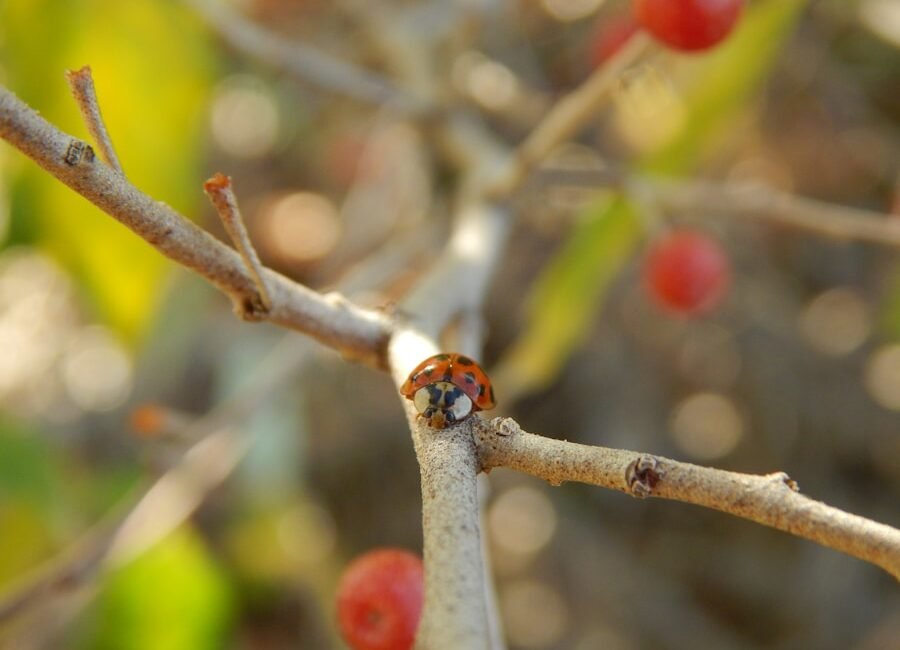
Some of the best flowers for attracting beneficial insects include dill, fennel, yarrow, and sunflowers. These flowers produce nectar and pollen that are attractive to a wide variety of beneficial insects, including ladybugs, lacewings, and parasitic wasps. In addition to providing food sources for beneficial insects, it’s also important to provide them with shelter. Many beneficial insects need a place to lay their eggs and raise their young, so incorporating features such as hedgerows, brush piles, and insect hotels into your garden can help provide them with the habitat they need to thrive. By attracting beneficial insects to your outdoor flower garden, you can help keep pest populations in check and create a more balanced and sustainable growing environment.
Physical Barriers: Using Nets, Row Covers, and Other Methods to Protect Flowers
In addition to using natural methods to deter pests from your outdoor flower garden, you can also use physical barriers to protect your plants from damage. Physical barriers such as nets and row covers can be effective at keeping pests at bay without the need for chemical pesticides. These barriers create a physical barrier between pests and your flowers, preventing them from accessing the plants and causing damage. One of the most common types of physical barriers used in flower gardens is netting. Netting can be used to cover individual plants or entire beds in order to protect them from pests such as birds, rabbits, and deer.
Row covers are another type of physical barrier that can be used to protect flowers from pests. These covers are made from lightweight fabric or plastic and are placed directly over the plants in order to create a barrier between them and potential pests. Row covers are especially effective at protecting plants from flying insects such as aphids, whiteflies, and caterpillars. In addition to netting and row covers, there are several other physical barriers that can be used to protect flowers from pests. For example, copper tape can be used to create a barrier around planters or raised beds in order to deter slugs and snails. By using physical barriers in your outdoor flower garden, you can help protect your plants from pests without resorting to chemical pesticides.
Homemade Remedies: DIY Sprays and Solutions to Combat Pests
If you’re looking for natural ways to combat pests in your outdoor flower garden, there are several homemade remedies that you can use to protect your plants without resorting to chemical pesticides. Many common household ingredients can be used to create effective pest control solutions that are safe for both your flowers and the environment. One of the most popular homemade remedies for controlling pests is a garlic spray. Garlic contains natural compounds that are unappealing to many insects, making it an effective natural pest deterrent.
To make a garlic spray, simply combine several cloves of garlic with water in a blender and then strain the mixture through a cheesecloth or fine mesh strainer. The resulting liquid can be diluted with water and then sprayed onto your flowers in order to repel pests such as aphids, whiteflies, and caterpillars. Another popular homemade remedy for controlling pests is a neem oil spray. Neem oil is derived from the seeds of the neem tree and has natural insecticidal properties that make it effective at controlling a wide variety of pests.
To make a neem oil spray, simply mix neem oil with water according to the instructions on the product label and then spray it onto your flowers in order to control pests such as aphids, spider mites, and whiteflies. In addition to garlic spray and neem oil spray, there are several other homemade remedies that can be used to combat pests in your outdoor flower garden. For example, a soap spray made from liquid castile soap can be effective at controlling soft-bodied insects such as aphids and spider mites.
Cultural Practices: Maintenance Tips and Techniques to Minimize Pest Damage
In addition to using natural methods and homemade remedies to combat pests in your outdoor flower garden, there are several cultural practices that you can implement in order to minimize pest damage and keep your plants healthy and thriving throughout the growing season. One of the most important cultural practices for preventing pest infestations is regular maintenance of your garden. This includes tasks such as weeding, pruning, and removing dead or diseased plant material.
By keeping your garden clean and well-maintained, you can help reduce the risk of pest infestations and create a healthier growing environment for your flowers. Another important cultural practice for minimizing pest damage is crop rotation. Rotating your flower crops from year to year can help prevent the buildup of pest populations in the soil and reduce the risk of infestations.
Additionally, it’s important to monitor your plants regularly for signs of pest activity so that you can take action before an infestation becomes serious. By inspecting your flowers on a regular basis, you can catch pest problems early on and take steps to address them before they have a chance to cause significant damage.
In conclusion, maintaining a healthy outdoor flower garden requires vigilance when it comes to identifying common pests that may threaten plant health. By creating a healthy environment through natural means such as proper watering techniques and organic fertilizers, gardeners can promote plant health while deterring pests from infesting their gardens through companion planting techniques that utilize other plants’ natural properties as deterrents against common pests like aphids or whiteflies.
Attracting beneficial insects like ladybugs or lacewings through strategic planting choices will also help keep pest populations under control without resorting to chemical pesticides while physical barriers like nets or row covers offer additional protection against potential threats like birds or rabbits.
Homemade remedies like garlic sprays or neem oil solutions provide safe alternatives for controlling pests without harming the environment while cultural practices such as regular maintenance tasks like weeding or pruning help minimize pest damage by keeping gardens clean and well-maintained.
By implementing these strategies together with regular monitoring for signs of pest activity in their gardens, gardeners can effectively combat common outdoor flower pests while maintaining healthy and thriving plants throughout the growing season.
By implementing these strategies together with regular monitoring for signs of pest activity in their gardens, gardeners can effectively combat common outdoor flower pests while maintaining healthy and thriving plants throughout the growing season. Integrated pest management techniques such as using natural predators, practicing crop rotation, and employing physical barriers can help reduce the need for chemical pesticides and minimize the impact on the environment. Additionally, maintaining proper plant nutrition and watering practices can help strengthen plants’ natural defenses against pests. By staying vigilant and taking proactive measures, gardeners can enjoy beautiful, pest-free flowers in their outdoor spaces.