
Seasonal garden themes are an important aspect of gardening that can add beauty and interest to your outdoor space throughout the year. By carefully selecting and arranging flowers and plants that bloom and thrive during different seasons, you can create a garden that is constantly changing and evolving, providing a new and exciting experience for you and your visitors with each passing season. Additionally, seasonal garden themes can help you make the most of your garden space by ensuring that there is always something in bloom, even during the colder months. This can help to create a sense of continuity and vitality in your garden, making it a more enjoyable and inviting place to spend time.
Furthermore, seasonal garden themes can also help to create a sense of harmony and balance in your outdoor space. By carefully selecting flowers and plants that complement each other in terms of color, texture, and form, you can create a cohesive and visually appealing garden that is pleasing to the eye. Additionally, by choosing plants that are well-suited to the local climate and soil conditions, you can ensure that your garden will thrive and flourish throughout the year, providing you with a beautiful and sustainable outdoor space that you can enjoy for years to come.
Selecting the Right Flowers for Each Season
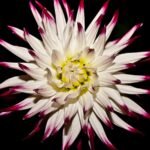
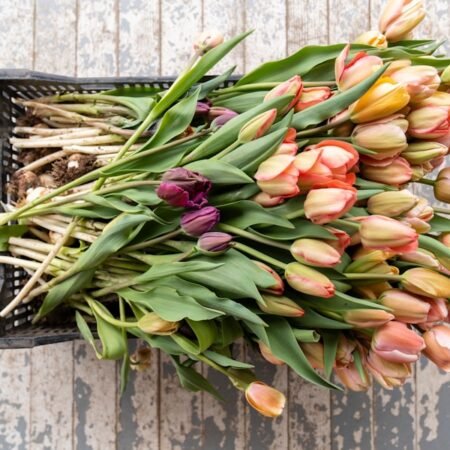
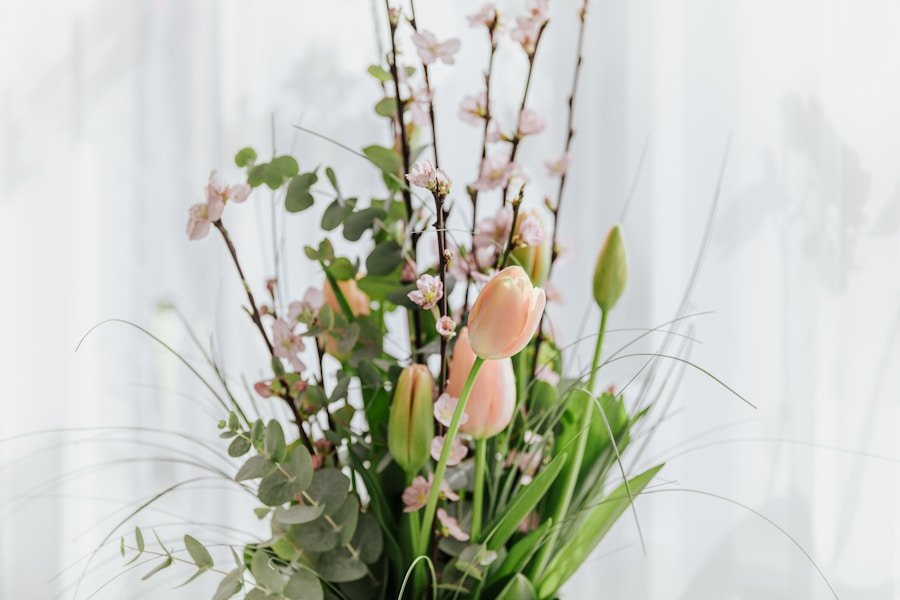
When it comes to creating a seasonal garden, one of the most important considerations is selecting the right flowers for each season. Different flowers bloom at different times of the year, so it’s important to choose plants that will thrive in your local climate and soil conditions, and that will provide color and interest in your garden throughout the year. For example, in the spring, you might consider planting bulbs such as tulips, daffodils, and hyacinths, which will provide a burst of color and fragrance as they emerge from the ground. In the summer, you might opt for flowers such as roses, lilies, and dahlias, which thrive in the warmer weather and provide a riot of color in your garden. In the fall, you might choose plants such as asters, chrysanthemums, and ornamental grasses, which will provide a beautiful display of autumnal colors as the weather begins to cool.
It’s also important to consider the height, form, and texture of the flowers you choose for your seasonal garden. By selecting a variety of plants with different shapes and sizes, you can create a more visually interesting and dynamic garden that will be pleasing to the eye throughout the year. Additionally, by choosing plants with different textures and foliage, you can create a more diverse and visually appealing garden that will provide interest even when the flowers are not in bloom.
Planning and Designing Your Seasonal Garden
Once you have selected the right flowers for each season, it’s time to start planning and designing your seasonal garden. One of the first things to consider is the layout of your garden space. Think about how you want to divide your garden into different areas or “rooms,” each with its own theme or color scheme. This can help to create a sense of structure and organization in your garden, as well as providing a variety of different experiences for you and your visitors as they move through the space.
Another important consideration when planning and designing your seasonal garden is the overall aesthetic you want to achieve. Do you want a formal, symmetrical garden with neatly clipped hedges and geometric flower beds? Or do you prefer a more naturalistic, informal garden with meandering pathways and wildflower meadows? By thinking about the overall look and feel you want to achieve, you can begin to select plants and flowers that will help you achieve your desired aesthetic.
Maintaining Your Seasonal Garden Throughout the Year
Once your seasonal garden is planted and established, it’s important to maintain it throughout the year to ensure that it continues to thrive and provide beauty and interest in your outdoor space. This includes regular watering, fertilizing, pruning, and weeding to keep your plants healthy and looking their best. It’s also important to keep an eye out for pests and diseases that can affect your plants, and to take steps to prevent or treat these issues as soon as they arise.
In addition to regular maintenance tasks, it’s also important to consider how you can adapt your garden to changing weather conditions throughout the year. For example, during periods of drought or extreme heat, you may need to water your plants more frequently or provide shade to protect them from sunburn. Similarly, during periods of heavy rain or cold temperatures, you may need to take steps to protect your plants from waterlogging or frost damage.
Incorporating Foliage and Other Plants for Year-Round Interest
While flowers are often the main focus of a seasonal garden, it’s also important to consider how foliage and other plants can contribute to year-round interest in your outdoor space. By selecting a variety of trees, shrubs, and grasses with different colors, textures, and forms, you can create a more diverse and visually interesting garden that will provide beauty and interest even when the flowers are not in bloom.
In addition to providing visual interest, foliage plants can also help to create a sense of structure and organization in your garden. By carefully selecting plants with different heights and forms, you can create a more dynamic and visually appealing garden that will be pleasing to the eye throughout the year. Additionally, by choosing plants with different textures and foliage colors, you can create a more diverse and visually appealing garden that will provide interest even when the flowers are not in bloom.
Tips for Extending the Blooming Season of Your Garden
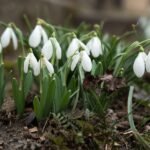
While each season has its own unique beauty, there are ways to extend the blooming season of your garden so that you can enjoy flowers for longer periods of time throughout the year. One way to do this is by selecting plants with different blooming times so that there is always something in bloom in your garden. For example, by choosing early-blooming bulbs such as crocuses and snowdrops, followed by mid-season flowers such as tulips and daffodils, and then late-blooming perennials such as asters and chrysanthemums, you can create a continuous display of color in your garden from early spring through late fall.
Another way to extend the blooming season of your garden is by deadheading spent flowers regularly to encourage new blooms. By removing faded flowers from your plants, you can help them redirect their energy into producing new blooms rather than setting seed. This can help to prolong the blooming period of many annuals and perennials, ensuring that your garden remains colorful and vibrant for longer periods of time.
Creating a Cohesive and Harmonious Look Throughout the Year
Finally, when creating a seasonal garden it’s important to consider how you can create a cohesive and harmonious look throughout the year. This means thinking about how different areas of your garden relate to each other in terms of color, form, texture, and overall aesthetic. By carefully selecting plants that complement each other in terms of these factors, you can create a more visually appealing and harmonious garden that is pleasing to the eye throughout the year.
One way to achieve this is by selecting a limited color palette for your seasonal garden. By choosing a few key colors that work well together and using them consistently throughout your garden, you can create a more cohesive and harmonious look that ties everything together. Additionally, by repeating certain plants or design elements throughout your garden space, you can create a sense of unity and continuity that will help to tie everything together into a cohesive whole.
In conclusion, creating a seasonal garden is an exciting opportunity to bring beauty and interest into your outdoor space throughout the year. By carefully selecting flowers and plants that bloom at different times of the year, planning and designing your garden with an eye towards creating harmony and balance, maintaining your garden throughout the year, incorporating foliage for year-round interest, extending the blooming season of your garden, and creating a cohesive look throughout the year, you can create a beautiful and sustainable outdoor space that will provide enjoyment for years to come. Whether you prefer formal or informal gardens, bright colors or subtle hues, there are endless possibilities for creating a seasonal garden that reflects your personal style and brings joy into your life.