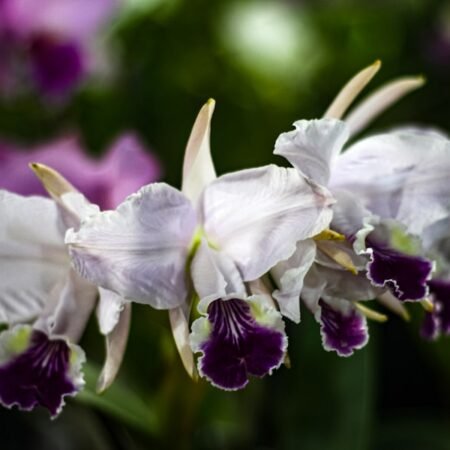

When it comes to selecting the perfect flowers for a bouquet, there are a few key factors to consider. First and foremost, it’s important to think about the occasion for which the bouquet is being created. For example, if the bouquet is for a wedding, you may want to choose flowers that are traditionally associated with love and romance, such as roses or peonies. On the other hand, if the bouquet is for a more somber occasion, such as a funeral, you may want to opt for more subdued and elegant flowers, such as lilies or orchids.
In addition to considering the occasion, it’s also important to think about the recipient’s personal preferences. If you’re creating a bouquet for a friend or loved one, take some time to think about their favorite flowers and colors. Choosing flowers that are meaningful to the recipient can add an extra special touch to the bouquet and show that you’ve put thought and care into the selection process. Finally, it’s important to consider the overall aesthetic you’re trying to achieve with the bouquet. Are you going for a wild and whimsical look, or something more structured and formal? The type of flowers you choose will play a big role in achieving the desired aesthetic, so take some time to think about the overall vibe you’re going for before making your selections.
Understanding Seasonal Availability
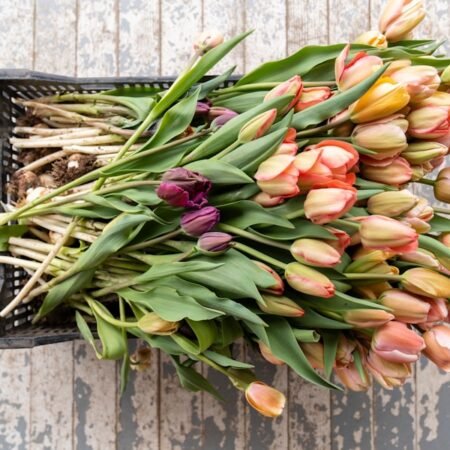
One of the most important factors to consider when selecting flowers for a bouquet is their seasonal availability. Different flowers bloom at different times of the year, and it’s important to take this into account when planning your bouquet. For example, if you’re planning a spring wedding, you may want to opt for flowers that are in season during that time, such as tulips or daffodils. Not only will this ensure that the flowers are at their freshest and most beautiful, but it can also help you save money, as in-season flowers are often more affordable than those that are out of season.
In addition to considering the season, it’s also important to think about the climate in which the flowers will be displayed. If you’re creating a bouquet for an outdoor event in a hot climate, you’ll want to choose flowers that can withstand high temperatures and direct sunlight. On the other hand, if the bouquet will be displayed indoors in a cooler environment, you may have more flexibility in your flower choices. By taking into account both seasonal availability and climate considerations, you can ensure that your bouquet will look its best and last as long as possible.
Choosing the Right Color Palette
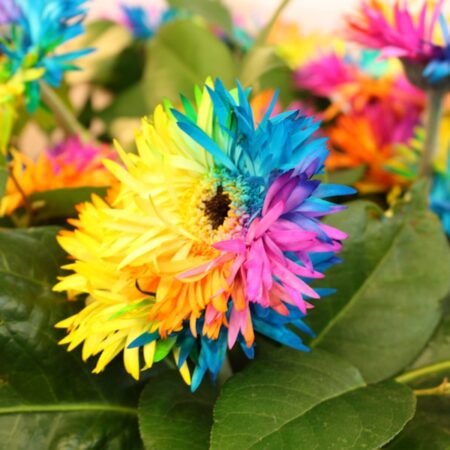
When it comes to creating a stunning bouquet, choosing the right color palette is key. The colors you choose can set the tone for the entire arrangement and can help convey a specific mood or emotion. For example, if you’re going for a romantic and feminine look, you may want to opt for soft pastel shades such as blush pink and lavender. On the other hand, if you’re aiming for a more bold and dramatic look, you may want to incorporate vibrant and contrasting colors such as red and orange.
In addition to considering the overall aesthetic you’re trying to achieve, it’s also important to think about the colors that will complement the recipient’s personal style and preferences. If you’re creating a bouquet for someone with a more minimalist and modern aesthetic, you may want to opt for a monochromatic color scheme or stick to neutral tones. On the other hand, if the recipient has a more eclectic and bohemian style, you may want to incorporate a mix of bold and unexpected colors. By taking into account both the overall aesthetic and the recipient’s personal style, you can create a bouquet that is not only visually stunning but also deeply meaningful.
Incorporating Unique Textures and Shapes
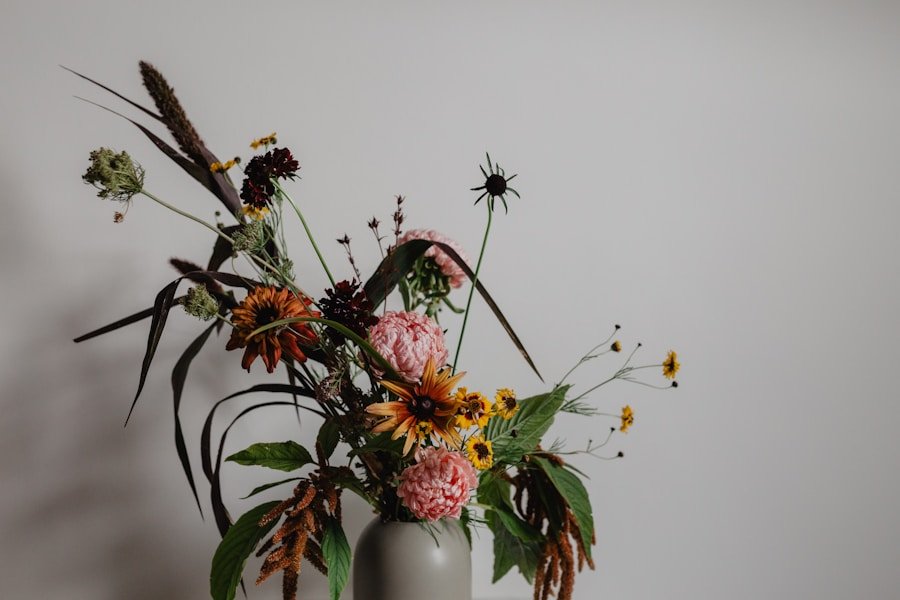
In addition to choosing the right colors, incorporating unique textures and shapes into a bouquet can take it to the next level. Mixing different textures and shapes can add depth and visual interest to the arrangement, making it more dynamic and eye-catching. For example, pairing delicate and wispy flowers such as baby’s breath with more substantial blooms like peonies or dahlias can create a beautiful contrast that adds dimension to the bouquet.
In addition to considering texture, it’s also important to think about the overall shape of the bouquet. Different shapes can convey different moods and aesthetics, so it’s important to think about what shape will best complement the overall vibe you’re going for. For example, a round and compact shape can create a more formal and structured look, while a loose and cascading shape can give off a more relaxed and organic vibe. By taking into account both texture and shape, you can create a bouquet that is not only visually stunning but also thoughtfully designed.
Creating a Balanced Arrangement
Creating a balanced arrangement is essential when it comes to designing a beautiful bouquet. A balanced arrangement ensures that no single element overwhelms the others and that all of the flowers work together harmoniously. One way to achieve balance is by using the “rule of thirds,” which involves dividing the bouquet into three equal parts and placing different types of flowers in each section. This creates visual interest and ensures that no single type of flower dominates the arrangement.
Another way to create balance is by paying attention to the size and scale of the flowers in the bouquet. Mixing different sizes of blooms can create a sense of harmony and prevent any one flower from overpowering the others. Additionally, paying attention to the placement of each flower within the arrangement can help create balance. For example, placing larger blooms towards the center of the bouquet and smaller blooms towards the edges can create a sense of symmetry and cohesion. By taking these factors into account, you can create a balanced arrangement that is visually pleasing and well-proportioned.
Adding Fragrant Elements
Incorporating fragrant elements into a bouquet can add an extra layer of sensory delight. The scent of fresh flowers can evoke powerful emotions and memories, making them an important element to consider when designing a bouquet. When choosing fragrant flowers for a bouquet, it’s important to consider not only their scent but also how they will interact with other elements in the arrangement. For example, some flowers have strong scents that may overpower more delicate blooms, so it’s important to strike a balance when incorporating fragrant elements.
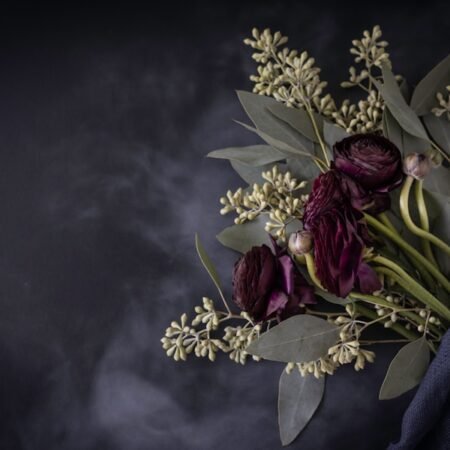
In addition to considering scent, it’s also important to think about how fragrant elements will enhance the overall aesthetic of the bouquet. For example, if you’re going for a romantic and feminine look, you may want to opt for sweetly scented flowers such as roses or gardenias. On the other hand, if you’re aiming for a more earthy and natural vibe, you may want to incorporate fragrant herbs or foliage such as lavender or eucalyptus. By taking into account both scent and aesthetic considerations, you can create a bouquet that not only looks beautiful but also smells divine.
Maintaining and Preserving the Bouquet
Once you’ve created the perfect bouquet, it’s important to take steps to maintain and preserve it so that it looks its best for as long as possible. One key factor in preserving a bouquet is proper hydration. Keeping the stems of the flowers in water at all times is essential for preventing wilting and maintaining freshness. Additionally, regularly changing the water in the vase can help prevent bacteria from forming and causing the flowers to deteriorate.
In addition to proper hydration, it’s also important to keep the bouquet away from direct sunlight and extreme temperatures. Exposure to these elements can cause flowers to wilt prematurely and lose their vibrancy. Finally, taking steps to protect delicate blooms from damage during transportation or display can help ensure that the bouquet stays looking its best. By taking these steps to maintain and preserve your bouquet, you can enjoy its beauty for as long as possible.
In conclusion, creating a stunning bouquet involves careful consideration of factors such as flower selection, seasonal availability, color palette, texture and shape, balance, fragrance, and preservation. By taking these factors into account and approaching bouquet design thoughtfully and intentionally, you can create arrangements that are not only visually stunning but also deeply meaningful and long-lasting. Whether you’re creating a bouquet for a special occasion or simply as a thoughtful gesture for a loved one, putting time and care into every aspect of the design process can result in truly beautiful and impactful creations.